


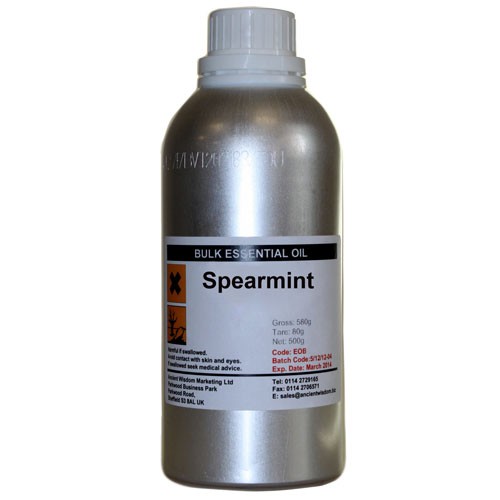

Spearmint Essential Oil is a popular and versatile oil that has been used for centuries for a variety of purposes. It is extracted from the leaves of the spearmint plant, which is native to Europe and Asia but is now grown all over the world.
£4.50 – £75.00Price range: £4.50 through £75.00
The World of Aromatherapy’s Spearmint Essential Oil
🍃 Immerse yourself in the invigorating embrace of Spearmint Essential Oil, reminiscent of fresh garden mornings.
💧 Each drop unleashes a wave of clarity and vibrancy, making it a staple in any aromatherapy enthusiast’s collection.
🌿 Boasting an aromatic profile that’s sweeter and softer than its peppermint counterpart, Spearmint Oil is celebrated for its soothing and uplifting properties.
🎋 Derived with utmost care through steam distillation, its unparalleled purity ensures an aromatic experience that’s as authentic as it is refreshing.
🌀 Let The World of Aromatherapy’s Spearmint Essential Oil revitalise your senses, breathing life and lightness into every corner of your space.
Latin Name: Mentha Spicata
Plant Part Used: Flowering Tops
Source: China
Extraction Method: Steam Distillation
This Spearmint Essential Oil is a high-grade 60% Carvone variety. Carvone is the naturally occurring chemical that gives Spearmint its distinctive odour. The other 40% of the oil is made up of other chemicals naturally occurring in the Spearmint plant.
Spearmint Essential Oil is multi-purpose and continues to soothe ailments such as skin problems, headaches, nausea, vomiting, respiratory issues, and cold symptoms.
Spearmint Essential Oil is used in aromatherapy to help reduce nasal congestion caused by the excessive buildup of phlegm and mucus in the nose and throat, promoting easier breathing. It has revitalizing, energy-inducing action on the body by working to enhance mood and concentration and by energising the skin. Its fresh, restorative fragrance helps to uplift the mood and comfort emotional stress.
| Weight | 0.04 kg |
|---|---|
| Size | 10ml, 50ml, 500ml |
You must be logged in to post a review.
Spearmint Essential Oil is a popular and versatile oil that has been used for centuries for a variety of purposes. It is extracted from the leaves of the spearmint plant, which is native to Europe and Asia but is now grown all over the world. Spearmint Essential Oil is known for its fresh, minty aroma and is often used in aromatherapy and perfumery.
Understanding Spearmint Essential Oil involves knowing its properties, benefits, and uses. The oil contains several key constituents, including carvone, limonene, and 1,8-cineole, which give it its unique properties. Spearmint Essential Oil is known for its calming and relaxing effects and is often used to promote mental clarity and focus. It is also believed to have antimicrobial properties and is used in many natural cleaning products.
Spearmint essential oil is a popular oil in the world of aromatherapy. It is extracted from the leaves of the spearmint plant, scientifically known as Mentha spicata. Spearmint essential oil is a member of the mint family, which also includes peppermint, and has a minty aroma that is known for its refreshing and uplifting properties.
Spearmint essential oil is often considered the gentler mint oil, as it contains significantly less menthol than peppermint oil. The main chemical component of spearmint essential oil is carvone, which gives it its minty aroma.
This oil is commonly used in aromatherapy for its energizing and uplifting properties. It is believed to help improve mood and reduce stress and anxiety. It is also used for its digestive benefits and is believed to help alleviate nausea and other digestive issues.
Spearmint essential oil is versatile and can be used in a variety of ways. It can be diffused in a room to freshen the air and uplift the mood, or applied topically after dilution with a carrier oil to soothe sore muscles and joints. It can also be added to bathwater for a refreshing and invigorating bath experience.
When purchasing spearmint essential oil, it is important to look for a high-quality oil that is pure and free from additives. It is also important to note that essential oils should always be used with caution and should be diluted before use on the skin.
Overall, spearmint essential oil is a popular and versatile oil in the world of aromatherapy, known for its minty aroma and uplifting properties.
Spearmint essential oil is extracted from the leaves of the spearmint plant through steam distillation. The process involves passing steam through the fresh spearmint leaves, which causes the oil to evaporate. The steam and oil mixture is then condensed, and the oil is separated from the water.
The quality of the oil depends on the quality of the leaves used in the distillation process. Fresh leaves are preferred as they contain more oil than dried leaves. The oil extracted from fresh leaves has a higher quality and is more potent than that extracted from dried leaves.
The yield of spearmint essential oil varies depending on the type of distillation method used. The yield can range from 0.5% to 4% of the total weight of the plant material.
Spearmint essential oil has a sweet and minty aroma and is commonly used in the perfume, cosmetic, and dental product industries. It is also used in aromatherapy due to its relaxing and calming properties.
Overall, steam distillation is the most common and effective method for extracting spearmint essential oil from fresh leaves. The quality of the oil depends on the quality of the leaves used and the distillation process employed.
Spearmint essential oil is extracted from the leaves of the spearmint plant, Mentha spicata. The oil has a refreshing and sweet aroma that is widely used in aromatherapy and perfumery. The key constituents of spearmint essential oil are carvone, limonene, (-)-carvone, β-myrcene, and 1,8-cineole.
Carvone is the primary constituent of spearmint essential oil, accounting for up to 80% of the oil’s composition. It has a characteristic minty aroma and is widely used in the food and fragrance industry. Carvone has been found to exhibit relaxant, expectorant, carminative, and diuretic properties.
Limonene is a cyclic monoterpene that is commonly found in citrus fruits and many essential oils. It has a fresh, citrusy aroma and is widely used in aromatherapy and perfumery. Limonene has been found to exhibit anti-inflammatory, antioxidant, and anti-cancer properties.
(-)-Carvone is a stereoisomer of carvone that has a slightly different aroma profile. It has a sweet and woody aroma and is commonly used in the food and fragrance industry. (-)-Carvone has been found to exhibit analgesic, anti-inflammatory, and antispasmodic properties.
β-Myrcene is a terpene that is commonly found in many essential oils, including spearmint essential oil. It has a musky and earthy aroma and is widely used in aromatherapy. β-Myrcene has been found to exhibit anti-inflammatory, analgesic, and sedative properties.
1,8-Cineole, also known as eucalyptol, is a monoterpene that is commonly found in many essential oils, including spearmint essential oil. It has a fresh and minty aroma and is widely used in aromatherapy and perfumery. 1,8-Cineole has been found to exhibit anti-inflammatory, analgesic, and expectorant properties.
In conclusion, spearmint essential oil contains several key constituents that contribute to its unique aroma and therapeutic properties. Carvone, limonene, (-)-carvone, β-myrcene, and 1,8-cineole are the main constituents of spearmint essential oil that are responsible for its many benefits.
Spearmint essential oil is a popular choice in aromatherapy due to its refreshing and invigorating scent. It is extracted from the leaves of the spearmint plant through steam distillation, and is known for its therapeutic properties.
When used in a diffuser, spearmint essential oil can help to promote mental clarity, improve focus, and reduce feelings of stress and anxiety. It blends well with other essential oils such as lavender, rosemary, basil, eucalyptus, bergamot, cypress, and orange, making it a versatile oil for creating custom diffuser blends.
Certified aromatherapists often recommend spearmint essential oil for its ability to help with digestive issues such as nausea and bloating. It is also believed to have antispasmodic properties that can help to relieve muscle cramps and spasms.
When using spearmint essential oil aromatically, it is important to dilute it properly with a carrier oil such as jojoba or coconut oil. This will help to prevent skin irritation and ensure that the oil is safe to use.
Overall, spearmint essential oil is a valuable addition to any aromatherapy toolkit. Its refreshing scent and therapeutic properties make it a popular choice for diffuser blends and other aromatherapy applications.
Spearmint essential oil has a wide range of uses, from aromatherapy to flavouring. Here are some of the most common uses of spearmint essential oil:
Spearmint essential oil has a refreshing and uplifting scent, making it a popular choice for aromatherapy. It can help to reduce stress, improve mood and promote concentration. Simply add a few drops of spearmint essential oil to a diffuser or vaporizer to enjoy its benefits.
One of the most well-known uses of spearmint essential oil is for digestive issues. It has anti-spasmodic properties that can help to ease stomach cramps, bloating, flatulence and other digestive problems. It can also help to stimulate the production of digestive enzymes and bile, which can aid in digestion.
Spearmint essential oil has analgesic properties that can help to alleviate headaches and migraines. It can also help to improve circulation and reduce inflammation, which can contribute to headache relief.
Spearmint essential oil is commonly used in toothpaste and mouthwash due to its refreshing and minty flavour. It can help to freshen breath and kill bacteria that cause bad breath.
Spearmint essential oil has muscle relaxant properties that can help to ease muscle spasms and fatigue. It can also help to improve circulation and reduce inflammation, which can contribute to muscle recovery.
Spearmint essential oil can help to alleviate symptoms of cold and flu, such as congestion and coughing. It has antiviral and antibacterial properties that can help to fight off infections and boost the immune system.
Spearmint essential oil is a popular ingredient in soap making due to its refreshing and uplifting scent. It can also help to soothe and moisturize the skin.
Spearmint essential oil can be used as a natural flavouring in baking. It can add a refreshing and minty flavour to cakes, cookies and other baked goods.
Overall, spearmint essential oil has a wide range of uses and benefits. It is important to use it in moderation and follow proper dilution guidelines to avoid any adverse effects.
Spearmint essential oil is a versatile oil that blends well with a variety of other essential oils. When blending with spearmint essential oil, it is important to consider the properties of the other oils to create a balanced and effective blend. Here are some essential oils that blend well with spearmint:
When blending with spearmint essential oil, it is important to dilute it with a carrier oil such as jojoba oil to avoid skin irritation. A good rule of thumb is to use 1-2 drops of essential oil per teaspoon of carrier oil.
Overall, spearmint essential oil is a versatile oil that can be used in a variety of blends to promote relaxation, focus, and respiratory support. When blending with spearmint, it is important to consider the properties of the other oils to create a balanced and effective blend.
Spearmint essential oil is generally considered safe for use in aromatherapy. However, it is important to take certain precautions to ensure safe usage.
Spearmint essential oil should not be used undiluted on the skin. It is recommended to dilute it with a carrier oil such as jojoba or almond oil before application.
Spearmint essential oil should be used with caution on children under the age of 3. It is best to consult a qualified aromatherapist or medical practitioner before using it on children.
Spearmint essential oil is a thin oil and should be stored in a cool, dark place to maintain its quality.
Spearmint essential oil should not be ingested. It is for external use only. If swallowed, seek medical attention immediately.
People with sensitive skin should perform a patch test before using spearmint essential oil. Dilute it with a carrier oil and apply a small amount to the inside of the elbow. Wait for 24 hours and check for any signs of irritation or allergic reaction before using it on the skin.
Pregnant or nursing women should consult a qualified aromatherapist or medical practitioner before using spearmint essential oil.
Spearmint essential oil should be kept out of reach of children. Ingestion of the oil can be harmful and can cause serious health problems.
Spearmint essential oil should not be used on sensitive areas such as the eyes, ears, nose, or genital areas. If accidentally applied to these areas, rinse with plenty of water and seek medical attention if necessary.
In summary, spearmint essential oil is generally safe for use in aromatherapy. However, it is important to take certain precautions to ensure safe usage. It is best to consult a qualified aromatherapist or medical practitioner before using it on children, pregnant or nursing women, or people with sensitive skin. Always dilute the oil with a carrier oil before application and perform a patch test.
Spearmint essential oil is known for its various health benefits. Here are some of the most notable benefits of using spearmint essential oil:
Spearmint essential oil has been used for centuries to help soothe digestive issues. It has anti-spasmodic properties that can help with stomach cramps, bloating, and indigestion. It can also help with nausea and vomiting. Spearmint essential oil can be used topically or inhaled through aromatherapy to help with these issues.
Spearmint essential oil is a natural decongestant and can help with respiratory issues such as coughs, colds, and asthma. It has invigorating and refreshing properties that can help clear the airways and improve breathing. It can also help with sinus congestion and allergies.
Spearmint essential oil has analgesic properties that can help with pain relief. It can help with headaches, muscle pain, and joint pain. It can also help with menstrual cramps and other types of pain.
Spearmint essential oil has immune-boosting properties that can help prevent illness and disease. It has antioxidant properties that can help protect the body from free radicals and other harmful substances. It can also help with fatigue and improve energy levels.
Spearmint essential oil has restorative properties that can help with mental and physical fatigue. It can help improve concentration and focus. It can also help with stress and anxiety.
Overall, spearmint essential oil has a variety of health benefits that make it a popular choice for aromatherapy and natural health remedies. It is important to use it properly and consult with a healthcare professional before use.
Spearmint essential oil is a popular product in the aromatherapy market. It is extracted from the flowering tops of the Mentha spicata plant, which is native to Europe and Asia. Spearmint oil is known for its fresh, sweet, and minty aroma, making it a popular choice for perfumes, soaps, and candles.
When buying spearmint essential oil, it is important to consider the purity and quality of the product. Look for oils that are 100% pure and natural, without any additives or synthetic fragrances. It is also important to check the shelf life of the oil, as it can lose its potency over time.
Spearmint oil is a cash crop in many countries, including the United States and India. It is harvested and distilled to produce the essential oil, which is then sold on the market. The demand for spearmint oil is high, as it is used in a variety of industries, including aromatherapy, cosmetics, and food and beverage.
In terms of quality, spearmint essential oil is known for its clear and refreshing aroma. It is often used in blends with other essential oils, such as lavender and eucalyptus, to create a relaxing and uplifting atmosphere. The oil is also known for its therapeutic properties, including its ability to support the digestive, respiratory, and nervous systems.
Overall, spearmint essential oil is a popular and versatile product in the aromatherapy market. When buying spearmint oil, it is important to consider the purity, quality, and shelf life of the product to ensure that you are getting a high-quality oil.
Spearmint essential oil is a popular oil in aromatherapy and is known for its refreshing and uplifting scent. However, it also has antimicrobial properties that make it a valuable addition to any essential oil collection.
Antimicrobial properties refer to the ability of a substance to kill or inhibit the growth of microorganisms such as bacteria, viruses, and fungi. Spearmint essential oil has been shown to have strong antimicrobial properties, particularly against certain strains of bacteria.
Studies have found that spearmint essential oil can inhibit the growth of various bacteria, including Staphylococcus aureus, Escherichia coli, and Pseudomonas aeruginosa. These bacteria can cause infections in humans and are often resistant to antibiotics, making spearmint essential oil a potential natural alternative for treating infections.
In addition to its antimicrobial properties, spearmint essential oil also has antiseptic properties. Antiseptics are substances that can be used to disinfect and clean wounds, cuts, and other injuries to prevent infection. Spearmint essential oil can be used topically as an antiseptic to clean and disinfect wounds, or added to a diffuser to purify the air and prevent the spread of airborne bacteria.
Overall, spearmint essential oil is a valuable addition to any natural health toolkit due to its antimicrobial and antiseptic properties. However, it is important to note that essential oils should never be used as a substitute for medical treatment and should always be used under the guidance of a qualified aromatherapist or healthcare professional.


Reviews
There are no reviews yet.