

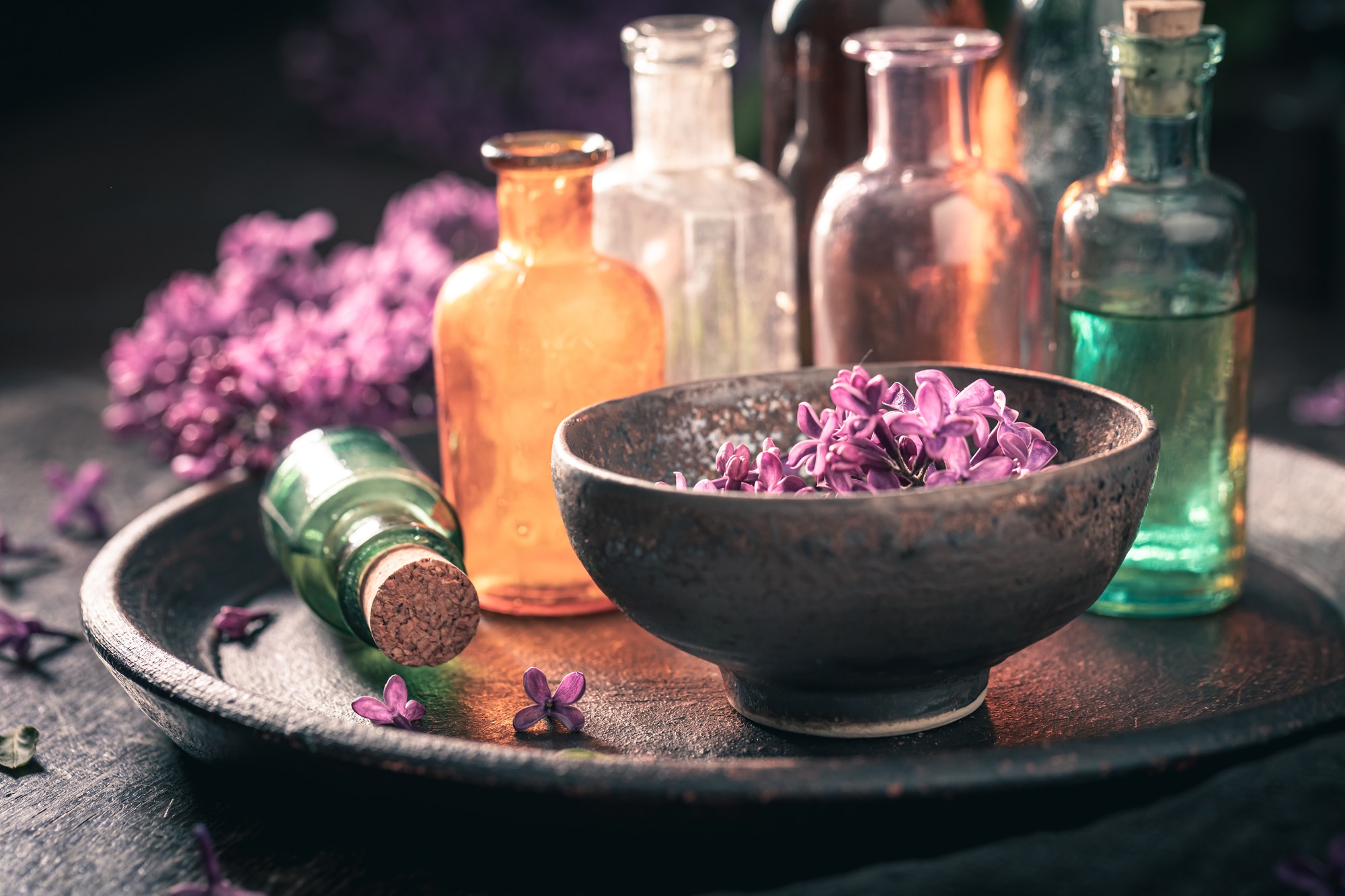
If you’re new to the world of aromatherapy and essential oils, fear not – this beginner’s guide is here to help you navigate your way through. Whether you’re looking to relieve stress, improve sleep, or enhance your mood, essential oils can be a natural and effective way to achieve these goals. In this article, we’ll explore the basics of aromatherapy, including the origins of essential oils and their various uses. So, get ready to discover the power of these heavenly scents and unlock a world of relaxation and well-being.
Essential oils are highly concentrated extracts from plants that possess the characteristic fragrance or essence of the plant they are derived from. These oils are obtained through a process of distillation or cold-pressing, capturing the beneficial properties of the plant in a potent and condensed form.
Essential oils are made through various methods, depending on the plant and its properties. The most common method is steam distillation, where steam is passed through the plant material, releasing the essential oil which is then collected and separated from the water. Cold-pressing is another method used for extracting oils from citrus fruits like oranges and lemons, where the outer peel is mechanically pressed to release the oil. Some essential oils are also obtained through solvent extraction or enfleurage, but these methods are less commonly used.
There are countless varieties of essential oils available, each with its own unique scent, properties, and potential benefits. Some of the most common types of essential oils include lavender, peppermint, eucalyptus, tea tree, lemon, chamomile, rosemary, bergamot, ylang ylang, frankincense, and sandalwood. These oils have been used for centuries in various cultures for their therapeutic and aromatic properties.
Aromatherapy is the practice of using essential oils for therapeutic purposes, primarily to improve physical, emotional, and mental well-being. When essential oils are inhaled or applied to the skin, their aromatic molecules interact with the body’s sensory receptors, sending signals to the brain and stimulating various physiological responses. These responses can help to promote relaxation, elevate mood, relieve pain, and support overall health and wellness.
When used properly, essential oils can have a profound impact on the body. They can help to reduce stress and anxiety, improve sleep quality, relieve pain and inflammation, enhance cognitive function, boost immunity, and support respiratory health, among other benefits. The specific effects vary depending on the oil and its properties, as well as the method of application.
While aromatherapy has been practiced for centuries, scientific research on its efficacy is still evolving. In recent years, there has been an increase in studies exploring the potential health benefits of essential oils. Research has shown promising results in areas such as reducing stress and anxiety, enhancing sleep, managing pain, and improving skin conditions. However, it is important to note that more research is needed to fully understand the mechanisms and potential applications of aromatherapy.
When purchasing essential oils, it is essential to consider several factors to ensure you are getting a high-quality product. Look for oils that are 100% pure and organic, as synthetic or adulterated oils may not provide the same therapeutic benefits. Check for proper labeling, including the botanical name of the plant, country of origin, and any certifications or testing performed. It is also crucial to research the reputation and transparency of the company or brand you are buying from.
Essential oils can be found in various stores, including health food stores, specialty shops, and online retailers. It is important to choose a reputable source and avoid purchasing oils from unknown or unreliable sellers. Many well-known brands offer a wide range of essential oils that have been tested for quality and purity. Additionally, consider supporting local businesses or small-scale producers who prioritize sustainable and ethical practices.
To ensure you are purchasing high-quality essential oils, it is essential to evaluate their quality. Look for oils that are stored in dark glass bottles to protect them from light, as exposure to light can degrade the oils. Take note of the scent, as pure essential oils should have a strong, natural fragrance. Check for any signs of adulteration, such as synthetic fragrances or additives. Finally, consider seeking out oils that have been independently tested by third-party laboratories to verify their authenticity and purity.
Inhalation is one of the most common methods of using essential oils. You can simply inhale the aroma of the oil directly from the bottle, or you can add a few drops to a diffuser or a cotton ball and breathe in the scent. Inhalation allows the aromatic molecules to enter the respiratory system and stimulate the olfactory receptors in the nose, triggering various physiological and emotional responses.
Topical application involves applying essential oils directly to the skin. It is important to dilute the essential oil with a carrier oil, such as coconut oil or jojoba oil, to prevent skin irritation. You can then apply the diluted oil to the desired area and gently massage it into the skin. Topical application allows the oil to be absorbed through the skin and enter the bloodstream, providing localized or systemic benefits depending on the oil and its properties.
Diffusing essential oils is a popular method for creating a pleasant and aromatic atmosphere. You can use an essential oil diffuser, which disperses the oil into the air as a fine mist, filling the room with the fragrance. Diffusing essential oils not only enhances the ambiance but also allows you to experience the therapeutic benefits of the oils through inhalation.
Adding essential oils to bathwater can create a soothing and relaxing experience. You can add a few drops of your chosen oil to warm bathwater, ensuring that the oil is well dispersed before entering the bath. The steam from the bath will release the aromatic molecules, allowing you to inhale and absorb them through your skin. Bathing with essential oils can be especially beneficial for promoting relaxation, relieving muscle tension, and improving skin health.
Essential oils are highly concentrated and potent, so it is crucial to dilute them before using them on the skin. Diluting essential oils with a carrier oil helps to prevent skin irritation, sensitivity, or adverse reactions. The typical dilution ratio is 2-3 drops of essential oil per teaspoon of carrier oil for adults, while a lower dilution ratio should be used for children, pregnant women, and individuals with sensitive skin.
Before using a new essential oil, it is wise to perform a patch test to check for any adverse reactions or sensitivities. Apply a small amount of diluted essential oil to a small patch of skin, such as the inner forearm, and leave it on for 24 hours. If any redness, swelling, itching, or irritation occurs, discontinue use of the oil.
Some essential oils, such as citrus oils like bergamot and lemon, can cause photosensitivity when applied to the skin. This means that they can make your skin more sensitive to sunlight and increase the risk of sunburn or skin damage. It is important to avoid direct sunlight or UV exposure for at least 12-24 hours after applying these oils topically.
Pregnant women should exercise caution when using essential oils, as certain oils may have contraindications during pregnancy. It is advisable to consult with a healthcare professional before using any essential oils during pregnancy. For babies and young children, it is recommended to use essential oils sparingly and with extra caution, as their skin is more sensitive and they may have different physiological responses. Some essential oils can also be toxic to pets, so it is important to keep oils out of their reach and consult with a veterinarian before using them around pets.
Lavender oil is renowned for its calming and soothing properties. It can help to promote relaxation, reduce stress and anxiety, alleviate headaches, and improve sleep quality. Lavender oil is also known for its skin-healing properties and can be used to soothe minor skin irritations or insect bites.
Peppermint oil is known for its invigorating and refreshing scent. It can help to relieve headaches, boost energy and focus, ease digestive discomfort, and alleviate muscle soreness. Peppermint oil can also be used as a natural insect repellent.
Eucalyptus oil is commonly used for respiratory support. It can help to clear congestion, relieve coughs and cold symptoms, and promote easier breathing. Eucalyptus oil also has antiseptic and antimicrobial properties, making it beneficial for skin conditions and minor wounds.
Tea tree oil is known for its powerful antimicrobial and antiseptic properties. It can help to treat acne, soothe skin irritations, and support the immune system. Tea tree oil can also be used in DIY cleaning products for its natural disinfectant properties.
Lemon oil has a bright and uplifting scent. It can help to boost mood and energy, promote mental clarity and focus, and support a healthy immune system. Lemon oil is also a natural degreaser and can be used in cleaning products.
Chamomile oil is often used for its calming and soothing effects. It can help to relieve anxiety, promote relaxation, and improve sleep quality. Chamomile oil is also beneficial for skin conditions and can be used in skincare products.
Rosemary oil is invigorating and stimulating. It can help to enhance memory and concentration, relieve muscle and joint pain, and support healthy hair growth. Rosemary oil is also known for its antiseptic and antimicrobial properties.
Bergamot oil has a citrusy and uplifting scent. It can help to relieve stress and anxiety, uplift mood, and promote a sense of well-being. Bergamot oil also has antimicrobial properties and can be used in skincare products.
Ylang ylang oil is known for its sweet and floral fragrance. It can help to reduce stress and promote relaxation, balance emotions, and enhance mood. Ylang ylang oil is also beneficial for promoting healthy skin and hair.
Frankincense oil has a woody and earthy aroma. It can help to reduce anxiety and stress, promote relaxation, and support healthy skin. Frankincense oil is also used in meditation and spiritual practices for its grounding and centering properties.
Sandalwood oil has a warm and woody scent. It can help to promote relaxation, relieve anxiety and stress, enhance focus and mental clarity, and support healthy skin. Sandalwood oil is also used in spiritual and meditation practices for its calming and grounding effects.
An essential oil blend refers to a combination of multiple essential oils used together to create a synergistic effect. Blending different oils allows you to create a customized aroma and enhance the therapeutic properties of the oils.
When blending essential oils, it is important to consider the individual properties and characteristics of each oil. Some oils complement each other well and can create a harmonious blend, while others may not blend well together or may overpower the scent. It is essential to take note of the intensity of each oil and their respective aroma profiles to create a balanced and pleasing blend.
There are numerous popular essential oil blends available, each with its own unique benefits and aroma. Some common blends include relaxation blends for promoting calmness and reducing stress, immune-boosting blends for enhancing the body’s natural defenses, and focus blends for improving concentration and mental clarity. These blends are often pre-made and can be readily used in diffusers or as topical applications.
Creating your own essential oil blend can be a fun and creative process. Start by selecting a few oils that complement each other well and have the desired properties for your intended use. Begin with a small number of drops for each oil and experiment with different ratios until you achieve your desired scent and effects. Keep track of your formulations so you can recreate your favorite blends in the future.
One of the most common uses of essential oils is for relaxation and stress relief. Oils like lavender, chamomile, and ylang ylang are known for their calming properties and can help to reduce anxiety, promote relaxation, and improve sleep quality. These oils can be diffused, applied topically, or added to a warm bath for a soothing experience.
Essential oils can also be used to promote better sleep. Oils like lavender and chamomile have sedative effects and can help to relax the mind and body, making it easier to fall asleep and improve sleep quality. Diffusing these oils in the bedroom or applying them topically before bedtime can create a tranquil atmosphere and aid in a restful night’s sleep.
Certain essential oils have analgesic and anti-inflammatory properties, making them helpful for managing pain and inflammation. Oils like peppermint, eucalyptus, and rosemary can be used topically to alleviate muscle soreness, joint pain, or headaches. They can also be added to massage oils or bath blends for additional relief.
Many essential oils have beneficial properties for the skin. Tea tree oil, for example, has antimicrobial properties and can help treat acne and skin infections. Lavender and chamomile oils have soothing and anti-inflammatory properties and can help with eczema or skin irritations. Essential oils can be added to skincare products, such as moisturizers or serums, or diluted with a carrier oil for direct application.
Certain essential oils have immune-boosting properties and can help support a healthy immune system. Oils like lemon, eucalyptus, and tea tree have antimicrobial properties that can help fight off pathogens and support respiratory health. Diffusing these oils or applying them topically (properly diluted) can help to defend against common illnesses and promote overall wellness.
Essential oils can be incorporated into your skincare routine to enhance the health and appearance of your skin. You can add a few drops of essential oil to your moisturizer, serum, or face mask to target specific skin concerns or simply enjoy the aromatic benefits. Remember to properly dilute the oils and perform a patch test before applying them to your face.
Essential oils can be used to create natural and effective home cleaners. Oils like lemon, tea tree, and lavender have antimicrobial properties and can be added to DIY cleaning solutions to disinfect surfaces. You can make a simple all-purpose cleaner by combining water, vinegar, and a few drops of essential oil in a spray bottle. Not only will your homemade cleaners be effective, but they will also leave a pleasant scent in your home.
Create a calming and sleep-inducing atmosphere in your bedroom by using essential oils. You can diffuse relaxing oils like lavender, chamomile, or ylang ylang before bedtime to help your mind and body unwind. Alternatively, you can add a few drops of these oils to a warm bath or mix them with a carrier oil for a soothing massage.
Essential oils can be a valuable addition to your yoga or meditation practice. Certain oils like frankincense, sandalwood, and bergamot are known for their grounding and centering properties, helping to create a serene and focused state of mind. You can diffuse these oils during your practice or apply them topically to pulse points or the third eye area for a more immersive experience.
When you need a mood boost or a mental pick-me-up, essential oils can come to the rescue. Oils like lemon, peppermint, and rosemary have invigorating and uplifting properties that can help improve focus, concentration, and overall mood. Diffuse these oils in your workspace or add a few drops to a personal inhaler for a quick and refreshing aromatherapy session.
Essential oils offer a natural and aromatic approach to enhance well-being in various aspects of life. From promoting relaxation and improving sleep to managing pain and boosting immunity, these potent extracts from plants can be incorporated into daily routines for a range of benefits. By understanding how essential oils are made, their effects on the body, and the various methods of usage, you can confidently explore the world of aromatherapy and discover the incredible power of these plant-based remedies. Remember to use essential oils safely, always dilute them as needed, and choose high-quality oils from reputable sources to enjoy the full potential of aromatherapy.


