

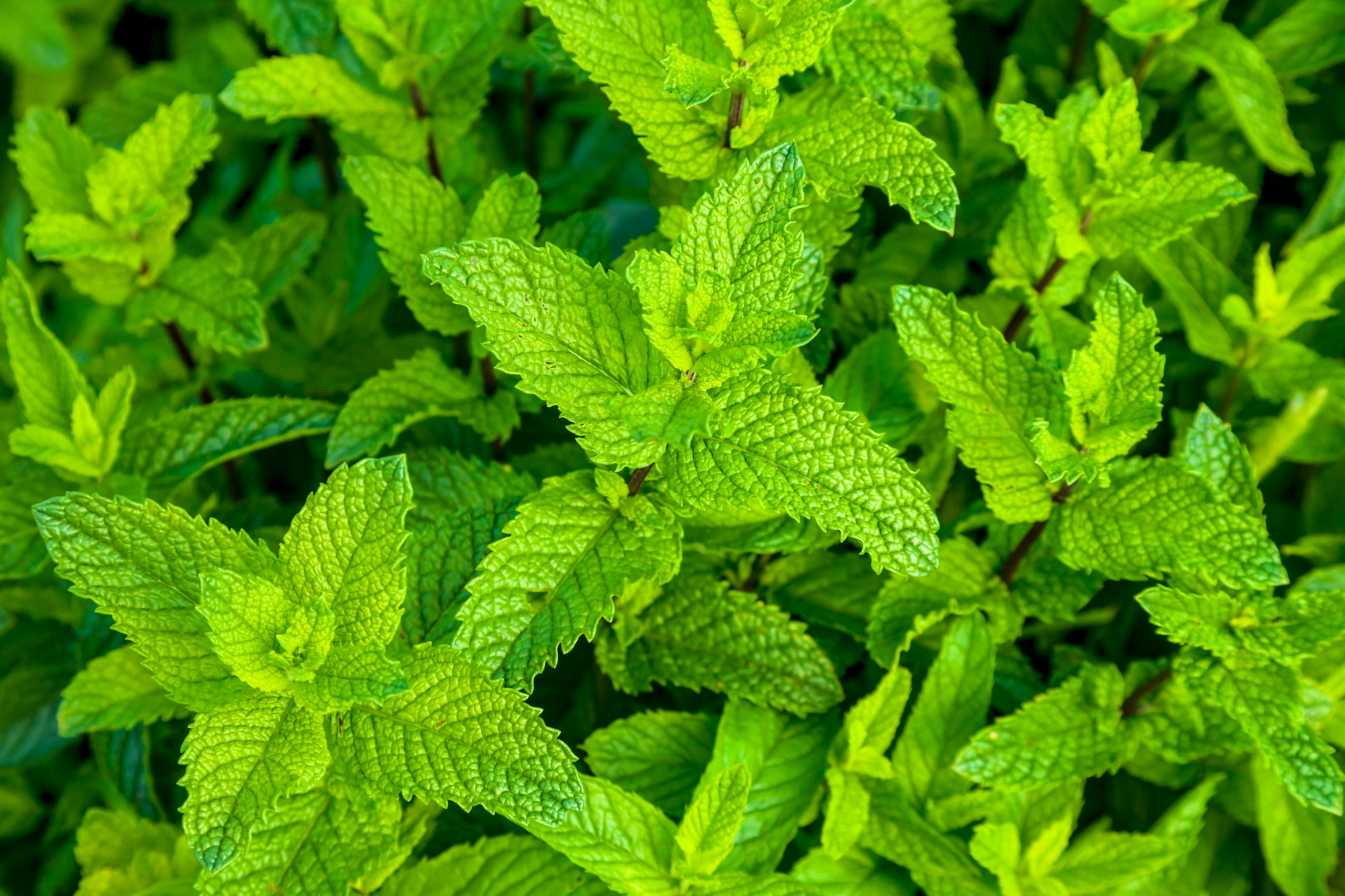
Peppermint oil comes from the peppermint plant, a mix of watermint and spearmint. The main components of peppermint oil include menthol and menthone, which give it its cooling sensation and therapeutic properties. Menthol, in particular, is known for its ability to relieve pain and inflammation, making peppermint oil a popular choice for treating headaches, muscle pain, and digestive issues.
Peppermint oil is known for its pain-relieving, anti-inflammatory, and antispasmodic properties. It is commonly used to relieve headaches, muscle pain, and digestive issues. Its cooling effect can also help reduce fever and soothe irritated skin. Additionally, peppermint oil has antimicrobial properties, making it effective against certain bacteria and fungi. It is also known to improve mental clarity and boost energy levels.
In modern medicine, peppermint oil is used in various forms, including topical applications, inhalation, and oral supplements. It is often recommended for conditions such as irritable bowel syndrome (IBS), tension headaches, and muscle pain. Peppermint oil is also used in dental care products for its ability to freshen breath and kill oral bacteria. Moreover, it is a common ingredient in over-the-counter cold and flu remedies due to its ability to relieve congestion and soothe sore throats.
The study, published in the journal BMJ Supportive & Palliative Care, involved a small clinical trial with 64 adult participants who had undergone open heart surgery. The participants were randomly assigned to receive either 0.1ml of 10% essential peppermint oil or 10ml of distilled water. The treatment was given 30 minutes before the removal of their breathing tube and then three times daily via nebulizer until the second night after their surgery, totaling seven doses.
The study included a diverse group of adult participants, ensuring a broad representation of the population undergoing heart surgery. The participants varied in age, gender, and medical history, providing a comprehensive overview of the potential benefits of peppermint oil aromatherapy for different individuals.
The peppermint oil was given using a nebulizer, a device that turns liquid medicine into a mist, making it easier to inhale. This method ensures that the essential oil is delivered directly to the respiratory system, where it can have the most significant impact. The use of a nebulizer also allows for precise dosing and consistent delivery of the treatment.
The results showed that patients who received peppermint oil aromatherapy experienced a significant reduction in pain intensity compared to the control group. This finding suggests that peppermint oil can be an effective complementary treatment for managing postoperative pain. The pain reduction was measured using the Numeric Pain Rating Scale, a widely used tool for assessing pain levels.
In addition to reducing pain, the study found that peppermint oil aromatherapy improved sleep quality in patients. Better sleep is crucial for recovery, as it allows the body to heal and regenerate. The improvement in sleep quality was assessed using the St Mary’s Hospital Sleep Questionnaire, which measures various aspects of sleep, including duration, quality, and disturbances.
The control group, which received distilled water, did not experience the same benefits in terms of pain reduction and sleep quality. This contrast highlights the potential therapeutic effects of peppermint oil. The control group’s results serve as a baseline, showing that the observed benefits were specifically due to the peppermint oil treatment.
The researchers acknowledged that the small size of the trial and potential environmental factors, such as light and noise, could have influenced the results. Larger studies with controlled environments are needed to confirm these findings. Additionally, the study’s short duration may not fully capture the long-term benefits and potential side effects of peppermint oil aromatherapy.
While the study’s results are promising, further research is necessary to validate the benefits of peppermint oil aromatherapy for post-heart surgery patients. Future studies should include larger sample sizes and consider additional variables, such as different dosages, methods of administration, and patient demographics. Long-term studies are also needed to assess the sustainability of the observed benefits.
Medical News Today supports the findings of the BMJ study, emphasizing that peppermint oil aromatherapy could help ease post-operative pain after open heart surgery. The article highlights the potential for peppermint oil to serve as a complementary treatment to traditional pain relief methods. It also discusses the growing interest in natural and holistic treatments among patients and healthcare providers.
SciTechDaily discusses the same study and adds that effective pain relief can significantly speed up the recovery process for patients. It also mentions that the aromatherapy group used fewer opioid painkillers, such as morphine and fentanyl, compared to the control group. This reduction in opioid use is particularly important given the current concerns about opioid addiction and its associated risks.
Medical Xpress repeats the findings of the BMJ study, noting that peppermint oil aromatherapy may enhance sleep quality in addition to reducing pain severity. The article suggests that the relaxing and sedative properties of peppermint oil could be particularly beneficial for patients recovering from major surgeries like open heart surgery. Improved sleep quality can lead to faster recovery and better overall health outcomes.
EurekAlert! provides a summary of the BMJ study, emphasizing the potential benefits of peppermint oil aromatherapy in reducing pain and improving sleep quality for heart surgery patients. It also highlights the need for further research to confirm these findings. The article calls for more extensive studies to explore the full range of benefits and potential applications of peppermint oil in medical treatments.
Pain News Network adds that the aromatherapy group not only reported better sleep scores but also used fewer opioid pain relievers. This finding is significant given the current concerns about opioid use and addiction. The article discusses the potential of peppermint oil aromatherapy as a safer alternative to opioids for managing postoperative pain.
Using a nebulizer to administer peppermint oil is an effective way to deliver its therapeutic benefits directly to the respiratory system. This method is particularly useful for post-surgery patients who may have difficulty swallowing or applying topical treatments. To use a nebulizer, add a few drops of peppermint oil to the device’s medication cup, turn on the machine, and inhale the mist through a mouthpiece or mask.
Peppermint oil can also be applied topically to relieve muscle pain and tension. It is essential to dilute the oil with a carrier oil, such as coconut or almond oil, to prevent skin irritation. To use peppermint oil topically, mix a few drops with a carrier oil and massage it into the affected area. This method can provide targeted relief for sore muscles and joints.
Creating your own aromatherapy blends can enhance the relaxing atmosphere of your home. Combining peppermint oil with other essential oils, such as lavender or eucalyptus, can create a soothing and invigorating scent. To make a DIY blend, mix a few drops of each oil in a diffuser or spray bottle with water. This blend can be used to freshen the air, promote relaxation, and improve mood.
Incorporating peppermint oil into your daily routine can provide ongoing benefits for your well-being. Adding a few drops to your bath, using it in a diffuser, or applying it to your temples can help reduce stress and promote relaxation. You can also add peppermint oil to your skincare products or use it in homemade beauty treatments for its refreshing and invigorating properties.
The promising results of the BMJ study suggest that aromatherapy, particularly with peppermint oil, could play a more significant role in medical treatments. As research continues to validate its benefits, we may see a broader acceptance of aromatherapy in clinical settings. The integration of natural and holistic treatments into conventional medicine can provide patients with more comprehensive and personalized care options.
Peppermint oil aromatherapy offers a natural and effective way to manage postoperative pain and improve sleep quality. While further research is needed, the current findings provide a compelling case for incorporating this holistic treatment into post-surgery care plans. Embracing natural wellness solutions like peppermint oil can enhance recovery and overall well-being, aligning with the growing trend towards sustainable and holistic health practices.
Peppermint oil contains menthol, which has pain-relieving and anti-inflammatory properties. When applied topically or inhaled, it can help reduce pain and inflammation.
Yes, peppermint oil has relaxing and sedative effects that can help improve sleep quality. It can be used in a diffuser or applied topically before bedtime to promote relaxation.
While peppermint oil is generally safe for most people, it should be used with caution in children, pregnant women, and individuals with certain medical conditions. Always consult a healthcare provider before using peppermint oil.
To use a nebulizer with peppermint oil, add a few drops of the oil to the device’s medication cup, turn on the machine, and inhale the mist through a mouthpiece or mask.
Some studies suggest that peppermint oil aromatherapy can reduce the need for opioid pain relievers by providing effective pain relief. However, more research is needed to confirm this benefit.
Potential side effects of peppermint oil include skin irritation, allergic reactions, and gastrointestinal issues. Always dilute peppermint oil with a carrier oil before topical application and use it in moderation.
The promising results of the BMJ study suggest that aromatherapy, particularly with peppermint oil, could play a more significant role in medical treatments. As research continues to validate its benefits, we may see a broader acceptance of aromatherapy in clinical settings. The integration of natural and holistic treatments into conventional medicine can provide patients with more comprehensive and personalized care options.
Peppermint oil aromatherapy offers a natural and effective way to manage postoperative pain and improve sleep quality. While further research is needed, the current findings provide a compelling case for incorporating this holistic treatment into post-surgery care plans. Embracing natural wellness solutions like peppermint oil can enhance recovery and overall well-being, aligning with the growing trend towards sustainable and holistic health practices.

Suzanne has gained extensive knowledge of aromatherapy in her 15-year career in the profession. She is a member of the Federation of Holistic Therapists (FHT), the largest professional body for complementary, beauty and sports therapists in the UK.

