

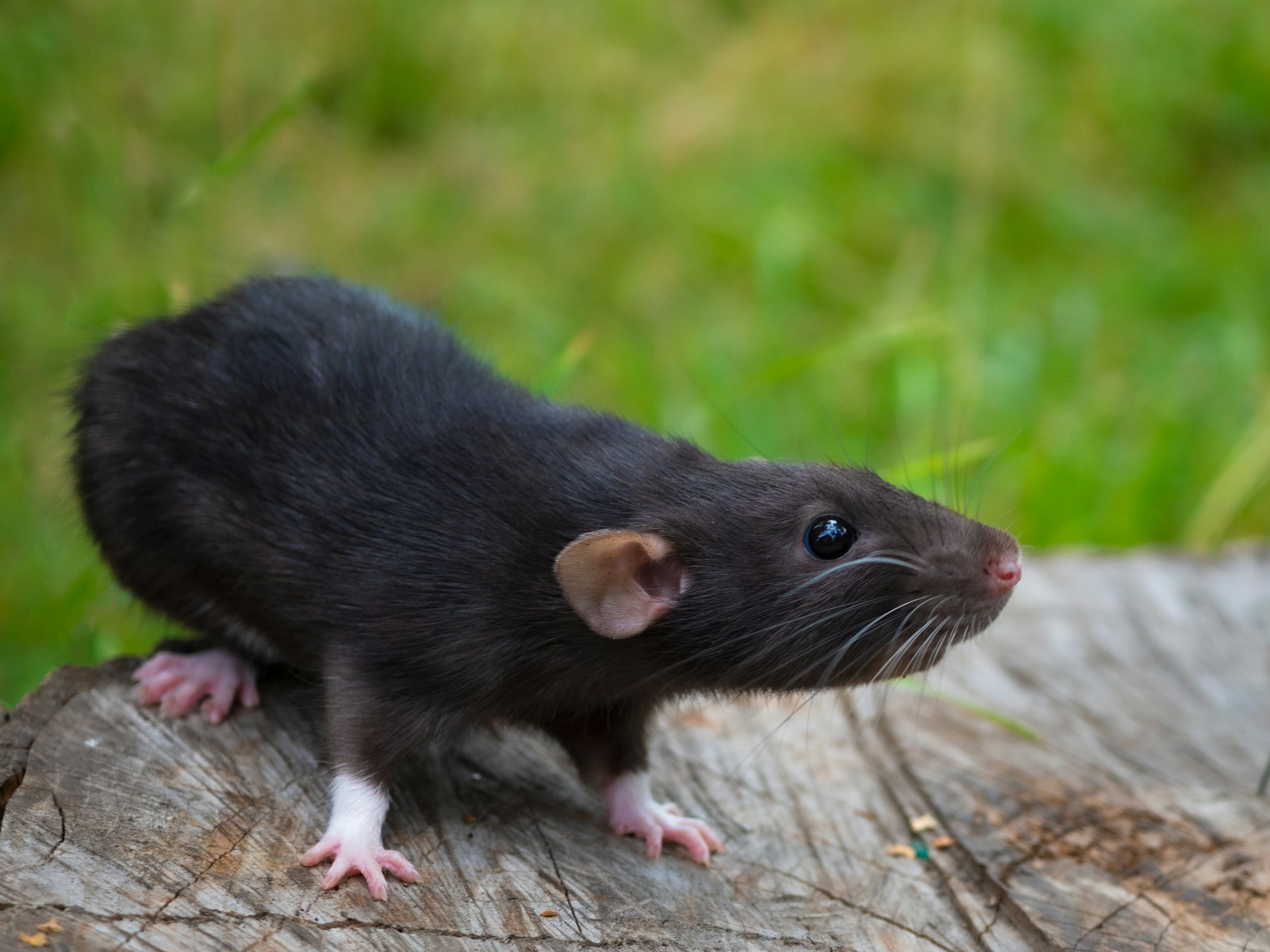
Rats in the home can pose serious health risks and create an unsanitary living environment. They carry a range of diseases and can cause significant damage to property. Traditional methods for dealing with rats often involve harmful chemicals, poisons, or traps, which may not be suitable for everyone. Fortunately, peppermint essential oil offers a natural and cruelty-free alternative for deterring these unwelcome guests.
Peppermint oil has gained popularity for its ability to repel rats when used correctly. This article explores how effective peppermint oil is in repelling rats, the best ways to use it, and why rat control can be challenging. Additionally, it will discuss other preventive measures to keep rats at bay without causing harm.
Rats, common urban dwellers, rely heavily on human environments for their survival. They access food, water, and shelter from human surroundings, particularly in large cities with numerous hiding spots and waste.
Health Risks:
Property Damage:
Food and Hygiene:
Safety Concerns:
Rats can quickly form colonies, hidden in walls or between floors, rapidly increasing the complexity and scale of the infestation. Their presence poses an ongoing threat, making it crucial to implement effective control measures.
| Concern | Details |
|---|---|
| Diseases | Pulmonary fever, typhus, hantavirus, leptospirosis, salmonella |
| Property Damage | Chewed wires, compromised foundations |
| Impact on Food | Contamination, theft |
| Attack Risks | Infants, pets, and vulnerable individuals |
| Infestation Ease | Sneak through tiny spaces, rapid colony growth |
Understanding these dangers highlights the importance of preventing and managing rodent infestations effectively.
Peppermint oil has long been celebrated for its ability to keep rats at bay because of its natural and potent smell. Rats, which have highly sensitive noses, find the smell of peppermint essential oil particularly unpleasant. Combining a strong scent with its natural properties, peppermint oil can serve as an effective deterrent against these rodents.
Natural peppermint oils with clear, powerful aromas tend to be more effective. These oils, when used correctly, spread their scent throughout the area, making it difficult for rats to remain. This can help create a rodent-free environment without the need for harmful chemicals.
Yet, while peppermint essential oil can help repel, it might not completely solve severe infestations. In such cases, contacting a pest control professional is advisable to manage the situation effectively.
One simple and effective method to use peppermint oil is by soaking cotton balls. This approach is user-friendly and easy to maintain. Here are the steps:
Tip: For optimal results, it’s advisable to replace the cotton balls every three days to maintain their strong scent.
Rats are not just repelled by peppermint; other household items like dish soap and vinegar can also be effective. These can be combined into a straightforward spray mixture. Here’s how you can create it:
If white vinegar is chosen, adding half a cup of rubbing alcohol or vodka can help combine the ingredients.
This solution not only helps repel rats but can also serve as an effective surface cleaner.
Combining different essential oils can increase the efficiency of your rat-repelling efforts. If you don’t have enough peppermint oil or find the scent too overpowering, blending it with other proven repellent oils can offer a balanced yet effective solution.
Tip: Blending these oils can be done using the same methods mentioned above, whether soaking cotton balls or creating a spray. The combined scents will not only repel rats but may also be more pleasant for some people.
Using a guide for blending essential oils can be useful to achieve the desired effect. Additionally, existing blends like a spider repellent mix can also help keep various pests at bay.
By trying these methods, you can effectively utilise peppermint oil to keep rats away from your home in a natural and chemical-free manner.
To create an effective natural rat repellent using peppermint oil, gather a spray bottle, water, and peppermint essential oil. Follow these steps:
Tip: For added effectiveness, consider blending peppermint oil with other essential oils like eucalyptus or tea tree. Be cautious with measurements to avoid an overly strong scent. Reapply the mixture regularly to maintain its repellent properties.
Regular upkeep of your home is crucial in preventing rat infestations. Rats can squeeze their way in through even the tiniest gaps, so it’s essential to examine and fix any cracks, holes, and crevices in your home’s structure. Ensuring that doors and windows shut securely also helps in keeping rats out.
Additionally, trimming back any vines or trees that are close to your house can prevent these pests from using them as a pathway to your roof or attic. Vines and trees give rats easy access to higher parts of your home, potentially leading to nesting sites.
Maintaining cleanliness is another key to avoiding rat problems. Regular vacuuming to remove food crumbs and general grime can discourage pests from sticking around. Make it a habit not to leave dirty dishes out, especially if rodent infestations are common in your area.
Storing food in airtight containers is another effective strategy. Use plastic or glass containers to keep your cupboard foods safe from contamination if rats do make their way inside. Proper food storage cuts off one of the main incentives for rats to enter your home.
Proper rubbish management is vital in keeping rats away. Rats are always on the lookout for easy meals, and rubbish can provide exactly that. Ensure your rubbish is stored correctly and manage it efficiently before collection day. This practice cuts down on the enticing smells that attract rats.
Additionally, consider moving any bird seed or pet food stored outdoors to indoor locations. Doing so can help eliminate another food source for these pests. For extra precaution, sprinkling a bit of peppermint oil on your rubbish bags may help to deter rats from rummaging through them.
Ultrasonic sound devices have gained popularity for their effectiveness in repelling various pests, including rats. These devices emit sounds and vibrations that are disturbing to rats but harmless to humans.
Ultrasonic devices serve as safer alternatives to chemical-based repellents. They are designed to cover extensive areas, with some models’ sounds travelling up to 6000 square feet. This method offers a non-toxic and straightforward solution for keeping rats at bay.
By incorporating these strategies, you can create a multi-layered defence against rats, making your home a less inviting place for these unwelcome guests. Using a combination of natural and technological methods can greatly enhance your efforts to prevent rat infestations and maintain a pest-free home.
Rats are particularly difficult to manage due to their ability to thrive in diverse environments. Their rapid breeding rates mean that an infestation can escalate quickly if not addressed.
Rats tend to be nocturnal, making them hard to spot and allowing them to hide in difficult-to-reach areas. They are capable of chewing through materials like wood, plastic, and even some metals, which complicates efforts to contain or exclude them from spaces.
Effective rat control demands a multi-faceted approach, involving preventive measures and regular maintenance. Sometimes, serious infestations might necessitate professional pest control services.
Health Risks Associated with Rats:
Using peppermint oil and other essential oils can help deter rats naturally. To maximise effectiveness, these natural methods should be combined with other strategies for a comprehensive pest control plan.
Peppermint Oil:
| Product Name | Botanical Name | Scent Type | Benefits & Uses | Suitable for Diffusers? | Suitable for Candles and Soaps? |
|---|---|---|---|---|---|
| Peppermint | Mentha Piperita | Herbs | Fresh, Decongestant, Repellent | Yes | Yes |
[1] S. Kalandakanond-Thongsong et al. (2010). The Efficiency of Pure Natural Repellents on Rat Behaviour Using Circular Open Field.
Peppermint oil can be used to keep rats away by making a spray. Start with a spray bottle, add one cup of water, and then include 10 to 15 drops of pure peppermint oil. Shake the bottle well and spray it around areas where you suspect rat activity.
High-quality peppermint oil can be sourced from health food stores, online marketplaces, and some supermarkets. Look for oils that are labelled as 100% pure essential oil for the best results in rodent control.
Peppermint oil can be effective outside, but it may need more frequent application due to weather conditions. Use a higher concentration of oil and reapply regularly, especially after rain or strong winds.
This mixture is now ready for use in areas where rats are a problem.
Peppermint oil is often cited as a natural deterrent for rats. Its strong smell can irritate their senses, discouraging them from entering treated areas. However, its effectiveness may vary and it is not a guaranteed solution for all rat infestations.
Rats are known to dislike several strong smells, including:
These odours can be used strategically to help keep rats away from certain areas.

Born and raised in the serene landscape of Swansea, Wales, Carina Rounder grew up with a keen interest in the healing arts. The idyllic backdrop of her hometown, with its verdant hills and crystal-clear waters, deeply influenced her passion for natural remedies and holistic health.
Carina boasts an impressive educational background. She holds a Level 3 Diploma in Complementary Therapies, specializing in aromatherapy. This intensive qualification has allowed her to delve deep into the intricacies of essential oils, learning their aromatic properties and their therapeutic effects on the human body and mind.
With over a decade of experience in the field, Carina has become one of the most sought-after aromatherapists in Wales. She runs a successful practice in Swansea, offering a range of treatments from traditional aromatherapy massages to bespoke essential oil blends designed to address individual client needs.
A prolific writer, Carina has penned several authoritative books and articles on the subject of aromatherapy. These works are widely regarded as essential reads for both newcomers to the discipline and seasoned practitioners. With a gift for making complex topics accessible, she has garnered a substantial following among those looking to harness the power of essential oils in their daily lives.
Carina firmly believes in the holistic approach to wellness. To her, aromatherapy is not just about pleasant fragrances; it’s about nurturing the soul, invigorating the senses, and harmonizing the body’s natural rhythms. She often emphasizes the importance of sourcing ethically produced and pure essential oils, asserting that the purity of the oil is pivotal to its effectiveness.

