

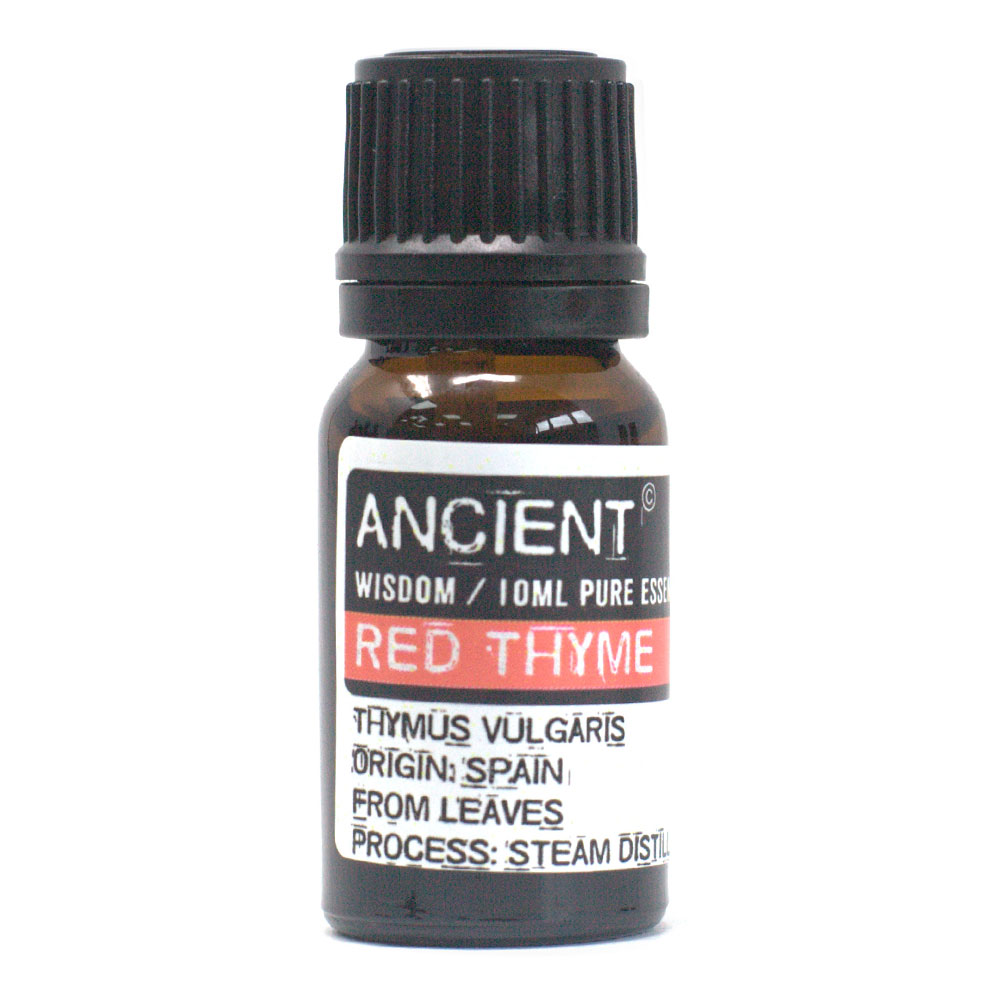
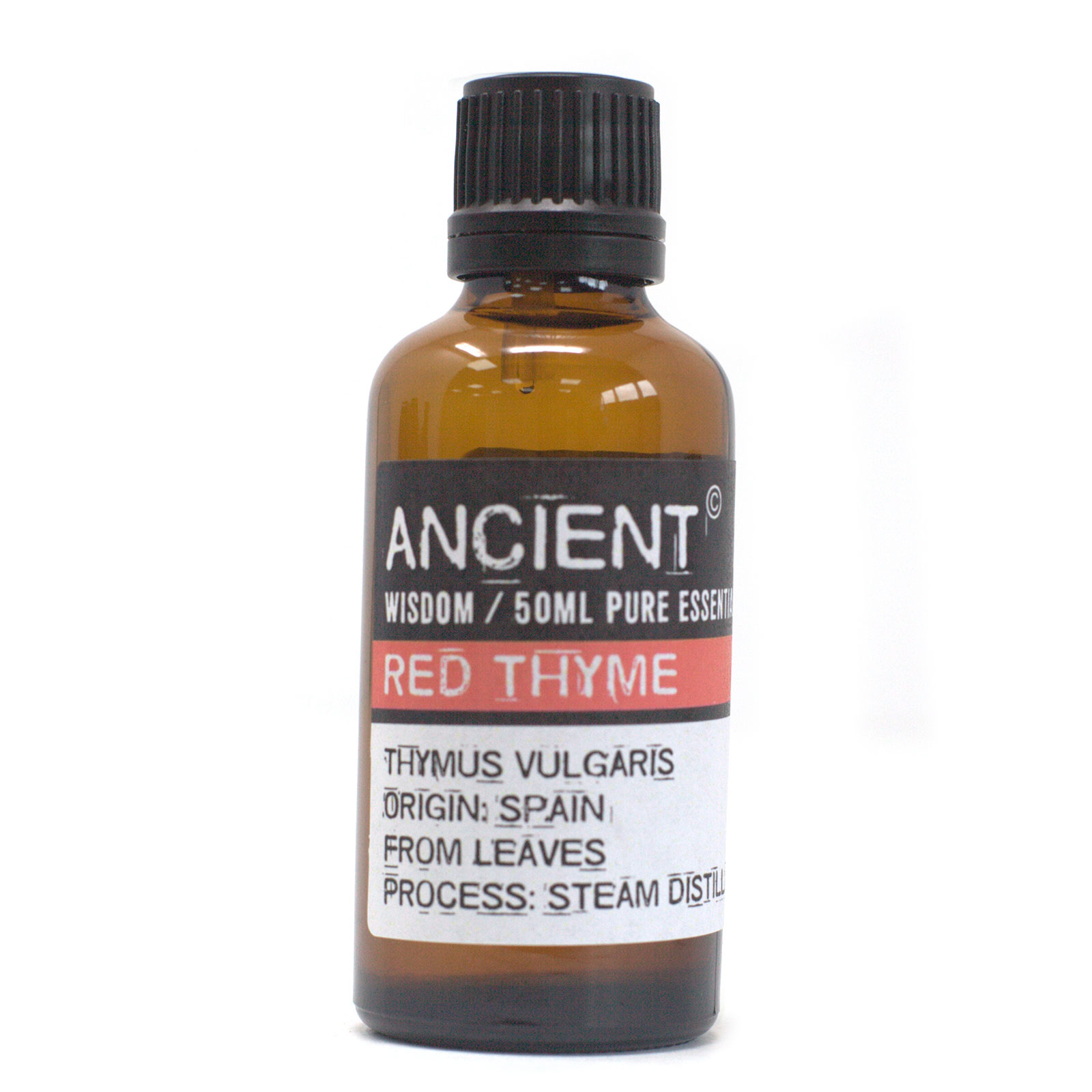
Red Thyme Essential Oil is a popular aromatic oil used in aromatherapy. It is extracted from the leaves and flowers of the Thymus vulgaris plant, which is native to the Mediterranean region.
£4.95 – £44.00Price range: £4.95 through £44.00
The World of Aromatherapy’s Red Thyme Essential Oil
🌿 Unveiling the aromatic power of our Red Thyme Essential Oil, distilled from the sun-kissed hillsides of the Mediterranean.
🔥 Renowned for its warming and stimulating properties, Red Thyme invigorates the senses, igniting passion and vitality.
💪 Possessing potent antibacterial and antifungal attributes, it stands as a guardian for your well-being.
🧘♂️ Immerse in its herbaceous and spicy aroma, perfect for grounding and promoting mental clarity during meditation or relaxation.
🌟 Elevate your aromatherapeutic rituals with The World of Aromatherapy’s Red Thyme Essential Oil and discover a fragrant pathway to holistic health.
| Weight | 0.04 kg |
|---|---|
| Size | 10ml, 50ml |
You must be logged in to post a review.


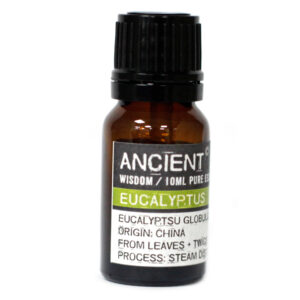
Red Thyme Essential Oil is a popular aromatic oil used in aromatherapy. It is extracted from the leaves and flowers of the Thymus vulgaris plant, which is native to the Mediterranean region. Red Thyme Essential Oil has a warm, spicy aroma that uplifts and invigorates. It is a versatile oil that has a wide range of therapeutic properties and health benefits.
The use of Red Thyme Essential Oil dates back to ancient times when it was used for its medicinal properties. It was commonly used to treat respiratory infections, digestive problems, and skin conditions. Today, Red Thyme Essential Oil is used in aromatherapy to promote relaxation, reduce stress, and improve overall well-being. It is also used in skincare products for its antibacterial and anti-inflammatory properties.
Thyme has been used for medicinal purposes for thousands of years. The ancient Egyptians used it in their embalming process, and the Greeks used it as incense in their temples. The Greek word for thyme, “thumus,” means courage, and it was believed to be a source of strength and courage.
In the first century AD, the Roman naturalist Pliny the Elder wrote about the medicinal properties of thyme in his book “Natural History.” He recommended it for respiratory problems, digestive issues, and as a remedy for melancholy.
The Greek physician Dioscorides also wrote about the healing properties of thyme in his book “De Materia Medica.” He recommended it for respiratory problems, digestive issues, and as a remedy for melancholy.
Red thyme essential oil is a more potent version of thyme oil, and it is extracted from the Thymus vulgaris plant. It is known for its antiseptic and antibacterial properties, and it has been used to treat a variety of ailments, including respiratory infections, digestive issues, and skin conditions.
Today, red thyme essential oil is widely used in aromatherapy and is often used in massage oils, bath oils, and diffusers. It is also used in the food industry as a flavouring agent and as a preservative.
Overall, the history of red thyme essential oil is rich and varied, and its healing properties have been recognized for thousands of years.
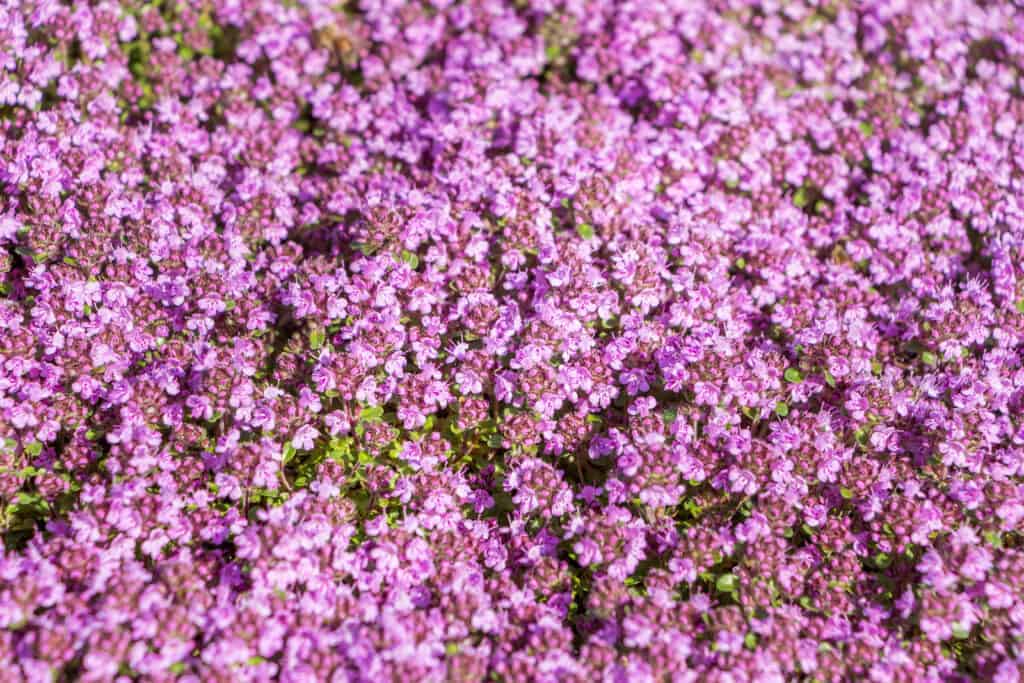
Thyme is a perennial herb that belongs to the mint family, Lamiaceae. The botanical name of thyme is Thymus vulgaris. It is a small, evergreen shrub that grows up to 30 cm in height. The leaves of thyme are small, oval-shaped, and grey-green in colour. They are highly aromatic and have a pungent flavour. The flowers of thyme are small and pink or purple in colour. They bloom in the summer months.
Thyme is a hardy plant that is native to the Mediterranean region. It is widely cultivated in Europe, North America, and Asia. Thyme prefers well-drained soil and full sun. It is drought tolerant and can survive in poor soil conditions. Seeds or cuttings can propagate thyme. It is a slow-growing plant that requires minimal maintenance.
There are several varieties of thyme that are grown for their essential oils. The most common varieties are Thymus vulgaris, Thymus zygis, and Thymus serpyllum. Each variety has its unique chemical composition and aroma.
| Variety | Characteristics |
|---|---|
| Thymus vulgaris | This variety is commonly known as garden thyme. It has a high thymol content and is used in aromatherapy for its antiseptic and antifungal properties. |
| Thymus zygis | This variety is commonly known as Spanish thyme. It has a high carvacrol content and is used in aromatherapy for its antibacterial and antiviral properties. |
| Thymus serpyllum | This variety is commonly known as wild thyme. It has a low thymol and carvacrol content and is used in aromatherapy for its calming and relaxing properties. |
Thyme essential oil is extracted from the leaves and flowers of the plant through steam distillation. The oil is pale yellow in colour and has a strong, spicy aroma. It is used in aromatherapy for its antibacterial, antifungal, and antiviral properties. Thyme essential oil is also used in the food and cosmetic industries.
Red Thyme Essential Oil is extracted from the Thymus vulgaris plant through the process of steam distillation. This process involves the use of high-pressure steam to extract the oil from the plant material. The steam carries the essential oil through a cooling system, where it is condensed into a liquid form. The resulting liquid is a highly concentrated oil containing the plant’s aromatic compounds.
Steam distillation is the most common method used to extract essential oils from plants. It is a gentle process that preserves the delicate aromatic compounds of the plant. The process involves heating the plant material with steam, which causes the essential oil to vaporize. The vapour is then condensed back into a liquid form, which is collected and bottled as essential oil.
Red Thyme Essential Oil is a chemotype of Thyme Essential Oil. Chemotypes are different variations of the same plant species that have distinct chemical compositions. Various factors, including the climate, soil conditions, and harvesting methods, determine the chemical composition of the oil. Red Thyme Essential Oil is characterised by its high concentration of thymol, which gives it a warm, spicy aroma.
Chemotypes are important because they can affect the therapeutic properties of the oil. Different chemotypes of the same plant species can have different therapeutic properties. It is important to choose the correct chemotype for a specific therapeutic application.
In conclusion, Red Thyme Essential Oil is extracted through the process of steam distillation and is characterized by its high concentration of thymol. Chemotypes are important to consider when choosing an essential oil for therapeutic purposes.
Red Thyme Essential Oil is extracted from the leaves and flowers of the Thymus vulgaris plant. It is composed of various chemical compounds that contribute to its therapeutic properties. This section will discuss some of the primary chemical components found in Red Thyme Essential Oil.
Thymol is a phenol compound that is commonly found in Thyme Essential Oils. It has antiseptic, antimicrobial, and antifungal properties. Thymol is also used in mouthwash and toothpaste products due to its ability to fight against oral bacteria.
Carvacrol is another phenol compound found in Thyme Essential Oils. It has antimicrobial properties and can help fight against infections caused by bacteria and fungi. Carvacrol is also known to have antioxidant properties, which can help protect the body against oxidative stress.
Borneol is a terpene alcohol that is found in many essential oils, including Thyme Essential Oil. It has a minty, camphor-like aroma and is known for its analgesic and anti-inflammatory properties. Borneol can help reduce pain and inflammation in the body.
Linalool is a terpene alcohol that is commonly found in many essential oils, including Thyme Essential Oil. It has a floral, sweet aroma and is known for its calming and relaxing properties. Linalool can help reduce stress and anxiety.
Pinene is a terpene that is found in many essential oils, including Thyme Essential Oil. It has a fresh, pine-like aroma and is known for its anti-inflammatory and bronchodilator properties. Pinene can help reduce inflammation and open up the airways, making it useful for respiratory issues.
Geraniol is a terpene alcohol that is found in many essential oils, including Thyme Essential Oil. It has a floral, rose-like aroma and is known for its antibacterial and antifungal properties. Geraniol can help fight against infections caused by bacteria and fungi.
P-Cymene is a monoterpene that is found in many essential oils, including Thyme Essential Oil. It has a fresh, citrus-like aroma and is known for its analgesic and anti-inflammatory properties. P-Cymene can help reduce pain and inflammation in the body.
In conclusion, Red Thyme Essential Oil is composed of various chemical compounds that contribute to its therapeutic properties. Thymol, carvacrol, borneol, linalool, pinene, geraniol, and p-cymene are just some of the primary chemical components found in Red Thyme Essential Oil. These compounds have various properties that make Red Thyme Essential Oil useful for a wide range of health issues.
Red Thyme Essential Oil is extracted from the Thymus zygis plant, which is native to the Mediterranean region. The oil has a strong, spicy, and herbaceous aroma with a slightly sweet undertone. It is a popular essential oil in aromatherapy due to its therapeutic properties and its ability to blend well with other essential oils.
The aroma of Red Thyme Essential Oil is similar to that of Lavender, Pine, and Rosemary essential oils. However, it has a more intense and spicy scent. When blended with Cedarwood and Lemon essential oils, it creates a warm, woody, and citrusy fragrance that is perfect for creating a relaxing atmosphere.
Red Thyme Essential Oil is also commonly blended with Lemon Thyme and Oregano essential oils to create a powerful antifungal and antibacterial blend. This blend is often used to treat various skin infections and digestive issues.
Overall, the aroma of Red Thyme Essential Oil is strong, spicy, and herbaceous, making it a popular choice for aromatherapy blends. Its ability to blend well with other essential oils makes it a versatile oil that can be used for a variety of purposes.
Red Thyme Essential Oil is a popular essential oil known for its therapeutic properties. It is derived from the leaves and flowers of the Thymus vulgaris plant and has been used for centuries in traditional medicine for its various benefits.
Red Thyme Essential Oil is known for its antispasmodic properties, which help to alleviate muscle spasms and cramps. It is also a potent antiseptic, making it useful for treating infections and wounds.
In addition, Red Thyme Essential Oil is a powerful antioxidant that helps to protect the body from free radical damage. It also has anti-inflammatory properties, which can help to reduce inflammation in the body and ease pain.
Red Thyme Essential Oil is also known for its antibacterial and antifungal properties, which make it useful in treating various infections. It is also a stimulant that can help boost energy levels and improve mental clarity.
Overall, Red Thyme Essential Oil has a wide range of therapeutic properties, making it a popular choice for aromatherapy and natural medicine. However, it is important to use this oil with caution, as it can be irritating to the skin and should be avoided during pregnancy.
Red Thyme Essential Oil is a powerful oil that has been used for centuries for its medicinal properties. It contains compounds like carvacrol, thymol, and linalool, which are responsible for its therapeutic benefits. Here are some of the health benefits of Red Thyme Essential Oil:
Red Thyme Essential Oil has been found to be effective in treating respiratory conditions like congestion, coughs, asthma, and bronchitis. It contains compounds that help relax the muscles in the respiratory system, making breathing easier. It also has antibacterial properties that can help to fight off infections that cause respiratory illnesses.
Red Thyme Essential Oil can be used to treat digestive issues like gas, indigestion, and bloating. It has antispasmodic properties that help relax the digestive system muscles, reducing cramps and discomfort. It also has carminative properties that help to expel gas from the intestines.
Red Thyme Essential Oil has antiseptic and antibacterial properties that effectively treat skin conditions like acne, dermatitis, and inflammation. It can be used to reduce redness, swelling, and itching associated with these conditions. It also has astringent properties that help to tighten and tone the skin.
Red Thyme Essential Oil can be used to promote hair growth and prevent hair loss. It contains compounds that help to stimulate blood circulation in the scalp, promoting healthy hair growth. It also has antimicrobial properties that can help to prevent scalp infections that can lead to hair loss.
Red Thyme Essential Oil has been found to be effective in improving heart health. It contains compounds that help to lower blood pressure, reduce cholesterol levels, and improve circulation. This can help to reduce the risk of heart disease and stroke.
Red Thyme Essential Oil has been found to have immune-boosting properties. It contains compounds that help stimulate the production of white blood cells, which fight off infections and diseases. It also has antioxidant properties that can help to protect the body against oxidative stress.
In conclusion, Red Thyme Essential Oil is a powerful oil that has many health benefits. It can treat respiratory, digestive, skin, and hair conditions, improve heart health, and boost the immune system. However, it is important to use it in moderation and consult a healthcare professional before using it for medicinal purposes.
Red Thyme Essential Oil is a versatile oil that can be used in a variety of ways. Before using the oil, it is important to understand how to dilute it properly and how to apply it safely.
Red Thyme Essential Oil is potent and should always be diluted before use. It is recommended to dilute the oil at a ratio of 1:3 with a carrier oil such as sweet almond or jojoba oil. This will help to prevent skin irritation and other adverse reactions.
When applying the oil, it is important to do a patch test first to ensure that there is no allergic reaction. Apply a small amount of the diluted oil to the inside of the elbow and wait for 24 hours. If there is no reaction, the oil can be used safely.
Red Thyme Essential Oil is a popular oil in aromatherapy due to its antiseptic and antibacterial properties. It can be used in a diffuser to purify the air and promote a sense of calm and relaxation. To create a unique aroma, the oil can also be blended with other essential oils such as black pepper, clary sage, and lemongrass.
Red Thyme Essential Oil can be used in cooking to add flavour to dishes. It is important to note that the oil is very potent and should be used sparingly. One drop of the oil is equivalent to one teaspoon of dried thyme. The oil can be added to soups, stews, and marinades for a flavourful boost.
In conclusion, Red Thyme Essential Oil is a versatile oil that can be used in a variety of ways. It is important to dilute the oil properly and apply it safely to avoid adverse reactions. The oil can be used in aromatherapy and blended with other oils for a unique aroma. It can also be used in cooking to add flavour to dishes.
Red Thyme Essential Oil is a powerful and versatile oil that has been used for centuries for its therapeutic benefits. However, it is important to note that, like all essential oils, they must be used cautiously and carefully. Here are some safety guidelines and contraindications to keep in mind when using Red Thyme Essential Oil:
It is important to consult with a qualified aromatherapist or healthcare professional before using Red Thyme Essential Oil, especially if you have any medical conditions or are taking medication. By following these safety guidelines and contraindications, you can safely and effectively enjoy the therapeutic benefits of Red Thyme Essential Oil.
Red Thyme Essential Oil is a widely available product in the market. It is produced by numerous brands and is sold both online and in physical stores. Some popular brands that produce Red Thyme Essential Oil include Aura Cacia, Plant Therapy, and NOW Foods.
Red Thyme Essential Oil is used in various skincare products, including soaps and lotions. It is known for its antiseptic and antimicrobial properties, making it an ideal ingredient in products that aim to combat acne and other skin infections.
When purchasing Red Thyme Essential Oil, it is essential to look for a 100% pure and undiluted product. It is also essential to check the label for any preservatives or additives that may have been added to the oil.
Overall, Red Thyme Essential Oil is a readily available product that can be purchased from various brands and used in different skincare products. When purchasing, it is essential to ensure that the product is high quality and free from harmful additives.


Reviews
There are no reviews yet.