

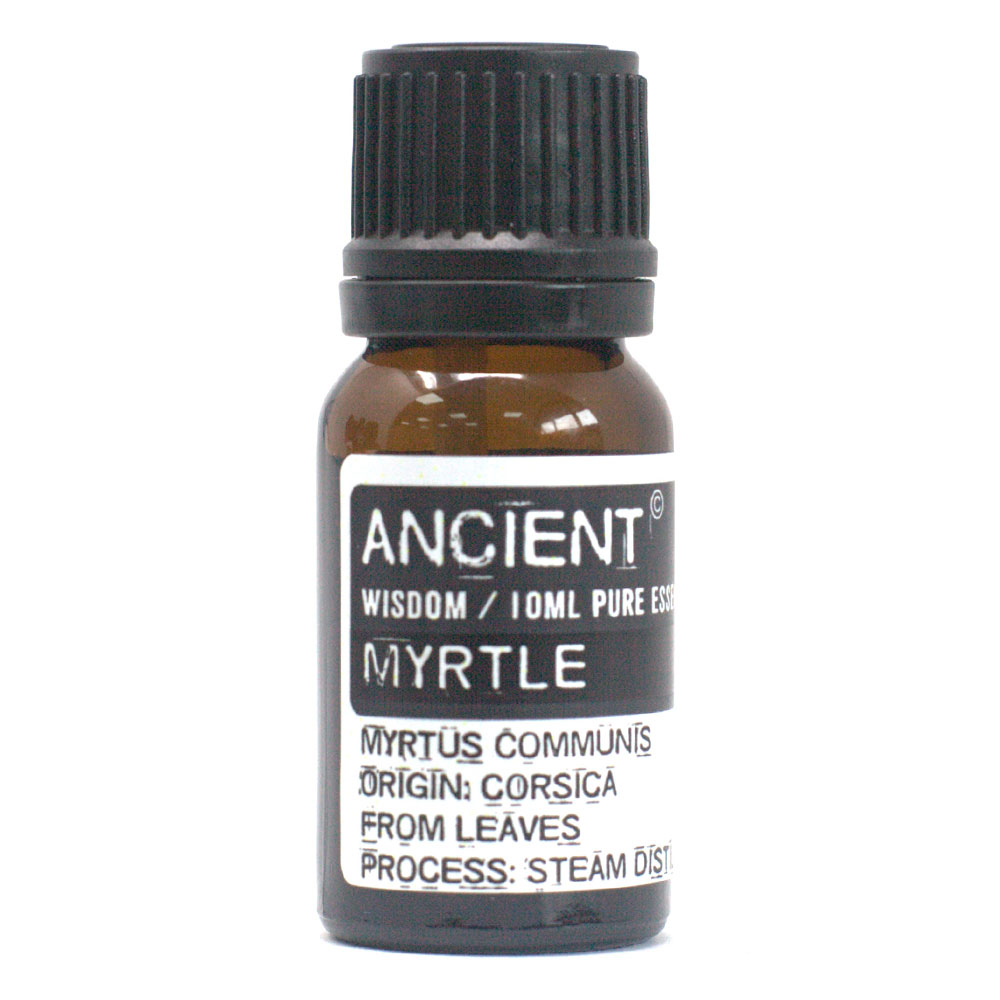


Dive into the refreshing embrace of our Corsican Myrtle Essential Oil, reminiscent of a breezy walk amidst lush green groves.
£11.75 – £34.95Price range: £11.75 through £34.95
The World of Aromatherapy’s Myrtle Essential Oil
🍃 Dive into the refreshing embrace of our Corican Myrtle Essential Oil, reminiscent of a breezy walk amidst lush green groves.
🌿 Extracted from the vibrant leaves of the Myrtle shrub, this oil emanates a crisp, camphoraceous aroma with a hint of sweet floral undertones
💆♀️ Within the folds of its scent lies a rejuvenating spirit. Myrtle’s unique fragrance is known to elevate moods, clear the mind, and stimulate a sense of vitality.
🌍 Adhering to our pledge for a greener tomorrow, our Myrtle Essential Oil symbolises purity, quality, and an unwavering commitment to eco-friendly practices.
🌟 Let the invigorating spirit of our Myrtle Essential Oil infuse your space, offering moments of clarity, energy, and a breath of fresh nature.
| Weight | 0.04 kg |
|---|---|
| Size | 10ml, 50ml |
You must be logged in to post a review.
Myrtle essential oil is a highly valued oil in the world of aromatherapy. It is extracted from the leaves, flowers, and stems of the Myrtle plant, which is scientifically known as Myrtus communis. This evergreen shrub is native to the Mediterranean region and has been used for centuries for its medicinal and therapeutic properties.
Understanding Myrtle essential oil is important to appreciate its benefits in aromatherapy. The extraction process involves steam distillation, which produces a clear, yellowish-green oil with a fresh, herbaceous scent. The chemical composition of Myrtle essential oil includes cineol, myrtenol, pinene, myrtenyl acetate, geraniol, linalool, camphene, and borneol. Its aromatic profile is refreshing and uplifting, making it a popular choice for diffusing in homes and offices.
Myrtle essential oil is a highly sought-after oil extracted from the Myrtus communis plant leaves, a member of the Myrtaceae plant family. The plant is native to Corsica and other parts of Europe and North Africa. Myrtle essential oil has a sweet, woodsy scent and is known for its various therapeutic benefits.
The botanical name for Myrtle is Myrtus communis. The plant is a small evergreen shrub that can grow up to 15 feet high. It has small, pointed, and fragrant leaves, white flowers, and bluish-black berries. The plant is also known as Corsican pepper.
Green Myrtle essential oil is the most commonly used type of Myrtle essential oil. It is obtained by steam distillation of the leaves and twigs of the Myrtus communis plant. Green Myrtle essential oil has a fresh, sweet, and herbaceous aroma and is used in aromatherapy for its calming and relaxing properties.
Myrtle essential oil has a wide range of therapeutic benefits. It boosts cognitive performance, reduces stress and anxiety, and improves respiratory function. It also relieves pain, fights infections, and promotes healthy skin.
The table below summarises some of the key properties and benefits of Myrtle essential oil:
| Property/Benefit | Description |
|---|---|
| Antimicrobial | Myrtle essential oil has antimicrobial properties that help fight against bacteria, viruses, and fungi. |
| Expectorant | Myrtle essential oil is an expectorant that helps to loosen phlegm and mucus in the respiratory tract, making it easier to breathe. |
| Anti-inflammatory | Myrtle essential oil has anti-inflammatory properties that help to reduce inflammation and pain. |
| Skin Care | Myrtle essential oil is used in skincare products for its astringent and antiseptic properties. It helps to tighten and tone the skin, reduce oiliness, and prevent acne and other skin problems. |
Overall, Myrtle essential oil is a versatile and valuable oil that can be used for a wide range of therapeutic purposes. Its sweet, woodsy aroma and therapeutic properties make it a popular choice for aromatherapy and natural health remedies.
Myrtle essential oil is extracted from the leaves of the Myrtle plant using steam distillation. This method involves passing steam through the leaves to evaporate the volatile oils, which are then condensed and collected. The resulting oil is a pale yellow liquid with a fresh, sweet, and slightly camphoraceous aroma.
Steam distillation is a popular method for extracting essential oils from plant material because it is a gentle process that does not require the use of harsh chemicals. It also ensures that the resulting oil retains its natural fragrance and therapeutic properties.
The leaves are harvested and then subjected to steam distillation to extract Myrtle essential oil. The leaves are first chopped and then placed in a distillation chamber with water. Steam is then passed through the chamber, causing the volatile oils to evaporate. The steam and oil vapours are then condensed and collected in a separate container.
The resulting oil is then subjected to a process called “fractional distillation,” which separates the oil into its various components. This process helps to ensure that the resulting oil is of the highest quality and purity.
Overall, steam distillation is a safe and effective method for extracting Myrtle essential oil from the leaves of the Myrtle plant. It is a gentle process that preserves the oil’s natural fragrance and therapeutic properties, making it an ideal choice for use in aromatherapy and other natural health applications.
Myrtle essential oil is extracted from the leaves, twigs, and berries of the Myrtle plant through steam distillation. The chemical composition of Myrtle essential oil varies depending on the species, region, and extraction method. The following compounds are commonly found in Myrtle essential oil:
The chemical composition of Myrtle essential oil can vary depending on the part of the plant that is used for extraction. For example, Myrtle essential oil extracted from the berries may contain higher levels of myrtenyl acetate, while Myrtle essential oil extracted from the leaves may contain higher levels of cineol.
Overall, the chemical composition of Myrtle essential oil is complex and diverse, contributing to its wide range of therapeutic properties. Myrtle essential oil is commonly used in aromatherapy for its antiseptic, anti-inflammatory, and expectorant properties. It is also used in perfumery for its sweet, floral aroma.
Myrtle Essential Oil is renowned for its fresh, herbaceous aroma, similar to Eucalyptus Radiata’s. However, it also has sweet, floral notes that are reminiscent of Rose and Lavender. In addition, the oil has a subtle lemony scent that gives it a refreshing and uplifting quality.
Myrtle Essential Oil’s aroma is calming and soothing, making it a popular choice for aromatherapy treatments. It is believed to help reduce anxiety, promote relaxation, and improve mental clarity and focus.
Several types of Myrtle Essential Oil are available, including Lemon Myrtle and Honey Myrtle. Lemon Myrtle has a stronger lemony scent than regular Myrtle Oil, while Honey Myrtle has a sweeter, honey-like aroma.
Myrtle Essential Oil can be diffused or applied topically when used in aromatherapy. It is often blended with other essential oils, such as Eucalyptus, Lemon, or Lavender, to create a customised aroma that suits the individual’s needs.
Myrtle Essential Oil is a versatile and popular choice for aromatherapy treatments. Its fresh, herbaceous aroma and calming and soothing properties make it an excellent addition to any essential oil collection.
Myrtle essential oil is popular among aromatherapy enthusiasts due to its numerous benefits. It has a sweet, woody scent that promotes relaxation and calmness, making it perfect for use in diffusers or aromatically during meditation or yoga practice. Here are some of the benefits of Myrtle essential oil in aromatherapy:
Myrtle essential oil is known for its uplifting and calming effects, making it an excellent choice for those seeking to reduce stress and anxiety. Its sweet aroma has a soothing effect on the mind and body, helping to ease tension and promote relaxation. It can be used in diffusers or added to a carrier oil for a relaxing massage.
Myrtle essential oil has been used for centuries to support respiratory health. It has natural expectorant properties that help to loosen phlegm and mucus, making it easier to breathe. It can be used in a diffuser or added to a carrier oil and applied topically to the chest and throat.
Myrtle essential oil has high antibacterial properties, making it an excellent choice for boosting the immune system. It can be used in aromatherapy for healing purposes and as a natural remedy for the prevention of various contagious diseases that affect humans and animals.
Myrtle essential oil has astringent properties that make it useful in skin care. It can help to tighten and firm the skin, reducing the appearance of fine lines and wrinkles. It can also be used to treat acne and other skin irritations.
In conclusion, Myrtle essential oil is an excellent choice for those seeking to promote relaxation, ease anxiety, and support respiratory health. Its sweet, woody scent makes it perfect for use in diffusers or aromatically during meditation or yoga practice. It can also be used topically to support skin health and boost the immune system.
Myrtle essential oil has a range of therapeutic properties that make it a valuable addition to any aromatherapy routine. The oil is extracted from the leaves and twigs of the Myrtle plant, which is native to the Mediterranean region.
One of the most notable properties of Myrtle essential oil is its antimicrobial and antibacterial effects. This makes it an excellent choice for treating infections and preventing the spread of harmful bacteria. The oil can be used to treat respiratory infections, urinary tract infections, and skin infections.
Myrtle essential oil is also a powerful antiseptic, which means it can be used to clean wounds and prevent infection. When applied topically, the oil can help to speed up the healing process and reduce inflammation.
As an expectorant, Myrtle essential oil can help to clear the respiratory system of excess mucus and phlegm. This makes it an effective treatment for coughs, colds, and other respiratory conditions.
The astringent properties of Myrtle essential oil make it an effective treatment for oily skin and acne. When applied topically, the oil can help to reduce the appearance of pores and balance the skin’s natural oils.
Finally, Myrtle essential oil has sedative properties, making it an excellent choice for promoting relaxation and reducing stress. The oil can be used in aromatherapy to create a calming and soothing atmosphere, helping to combat anxiety and promote restful sleep.
Overall, Myrtle essential oil has a range of therapeutic properties that make it a valuable addition to any aromatherapy routine. Its antimicrobial, antiseptic, expectorant, astringent, and sedative effects make it an effective treatment for a wide range of conditions.
Myrtle essential oil has a wide range of uses and applications in aromatherapy. Depending on the desired effect, it can be used topically, inhaled, or ingested. Here are some of the most common uses of myrtle essential oil:
It is important to note that myrtle essential oil should be used with caution and in moderation. It should not be ingested in large amounts or used on sensitive areas of the skin without dilution. Pregnant women and children should consult a healthcare professional before using myrtle essential oil.
Myrtle essential oil blends well with a variety of other essential oils and carrier oils. Here are some suggestions for blending Myrtle essential oil:
When blending essential oils, it is important to use caution and follow proper dilution guidelines. Essential oils should always be diluted in a carrier oil before use on the skin. A general rule of thumb is to use a 2% dilution rate, which means adding 12 drops of essential oil to 1 ounce of carrier oil.
Overall, Myrtle essential oil is a versatile oil that can be blended with a variety of other oils to create unique and effective blends.
Myrtle essential oil is generally considered safe when used properly. However, it is important to take certain precautions to avoid any adverse reactions. Here are some safety guidelines to keep in mind when using myrtle essential oil:
Myrtle essential oil should always be diluted before use. It is recommended to use a carrier oil such as coconut, almond, or jojoba oil to dilute the essential oil. This is especially important when using myrtle essential oil on children, elderly individuals, or those with sensitive skin.
Myrtle essential oil should be avoided during pregnancy, as it may cause contractions and lead to complications. It is also not recommended for use while breastfeeding.
Individuals with allergies to plants in the myrtle family, such as eucalyptus and tea tree, should avoid using myrtle essential oil. It is important to perform a patch test before using myrtle essential oil to check for any allergic reactions.
Myrtle essential oil may be beneficial for the respiratory system, but it should not be used as a replacement for medical treatment. Individuals with respiratory conditions should consult with a healthcare professional before using myrtle essential oil.
Myrtle essential oil is believed to have calming and relaxing properties. It may be helpful in reducing stress and anxiety. However, it should not be used as a replacement for medical treatment.
Myrtle essential oil should be used with caution and under the guidance of a healthcare professional if an individual is taking medication or has a medical condition.
By following these precautions, individuals can safely enjoy the benefits of myrtle essential oil.
Myrtle essential oil has a relatively longer shelf life than other essential oils. When stored properly, it can last for up to three years. However, the shelf life can vary depending on factors such as the quality of the oil, how it was extracted, and how it is stored.
To extend the shelf life of myrtle essential oil, it is important to store it in a cool, dark place and keep it away from heat, light, and moisture. Exposure to these elements can cause the oil to oxidize and lose its potency over time. Keeping the oil in an airtight container is also recommended to prevent air from getting in and causing the oil to degrade.
If you notice a change in the oil’s colour, consistency, or smell, it may have gone bad and should be discarded. Using fresh, high-quality myrtle essential oil is important for optimal therapeutic benefits.
Here are some tips for storing myrtle essential oil:
By following these storage tips, you can ensure that your myrtle essential oil remains fresh and potent for as long as possible.
Myrtle essential oil is a popular ingredient in perfumery due to its fresh, clean and uplifting scent. It is widely used in both men’s and women’s fragrances, adding a unique touch to various perfume compositions.
The oil is extracted from the leaves and twigs of the Myrtle tree, which is native to the Mediterranean region. The better oils, such as Tunisian and Corsican myrtle oils, are fresh and strong in top notes, making them ideal for perfumes.
Myrtle essential oil’s aroma is described as fresh, herbal, fruity, and penetrating, with clean, rich camphor notes. It has a slightly sweet and spicy scent that blends well with other essential oils, making it a versatile ingredient in perfumery.
In addition to its pleasant fragrance, myrtle essential oil also has purifying and cleansing properties. It is often used in perfumes for its ability to freshen and uplift the senses.
The oil is also known for its ability to relieve respiratory issues, making it a popular choice in perfumes that promote wellness and relaxation.
Myrtle essential oil is a valuable ingredient in perfumery due to its unique scent and therapeutic properties. Its fresh, clean, and uplifting aroma makes it a popular choice in a variety of perfume compositions.
Myrtle essential oil is known for its calming and relaxing properties, making it a popular choice for those seeking relief from fatigue and insomnia. Its soothing aroma has been used for centuries to promote restful sleep and reduce symptoms of exhaustion.
Research has shown that myrtle essential oil can help improve sleep quality by reducing the time it takes to fall asleep and increasing overall sleep time. Its sedative effects can also help reduce symptoms of fatigue and exhaustion, making it a popular choice for those with busy lifestyles or high-stress jobs.
One of the primary ways to use myrtle essential oil for fatigue and insomnia relief is through inhalation. Adding a few drops of the oil to a diffuser or inhaling it directly from the bottle can help promote relaxation and reduce feelings of stress and anxiety.
Another effective way to use myrtle essential oil is through massage. Mixing a few drops of the oil with a carrier oil, such as coconut or jojoba oil, and massaging it into the skin can help promote relaxation and reduce symptoms of fatigue and exhaustion.
It is important to note that while myrtle essential oil can be an effective natural remedy for fatigue and insomnia, it should not be used as a substitute for medical treatment. Those with chronic sleep disorders or underlying medical conditions should consult with a healthcare professional before using myrtle essential oil or any other natural remedy.
The co-founders of Myrtle Essential Oil have shared their insights on the benefits and uses of this powerful oil. According to them, Myrtle Essential Oil is known for its antiseptic, astringent, and expectorant properties. It is also believed to have a calming effect on the mind and body.
One of the co-founders, who has over 20 years of experience in the field of aromatherapy, recommends using Myrtle Essential Oil for respiratory issues such as asthma, bronchitis, and coughs. She suggests adding a few drops of the oil to a bowl of steaming water and inhaling the steam for relief.
The other co-founder, who has a background in natural medicine, recommends using Myrtle Essential Oil for skin care. She suggests adding a few drops of the oil to a carrier oil such as jojoba or almond oil and applying it to the skin to help with acne, oily skin, and wrinkles.
Both co-founders agree that Myrtle Essential Oil is a versatile oil that can be used in a variety of ways. They suggest adding a few drops to a diffuser to help with relaxation and stress relief or adding it to a bath for a spa-like experience.
It is important to note that Myrtle Essential Oil should not be used during pregnancy and should be used with caution by those with sensitive skin. As with all essential oils, doing a patch test before using it topically is recommended.
Myrtle, also known as Myrtus communis L., is a flowering plant that belongs to the Myrtaceae family. It is an evergreen shrub that is native to the Mediterranean region but is now widely cultivated across the globe. Myrtle essential oil is extracted from the leaves and twigs of the plant and is known for its therapeutic properties.
There are several varieties of myrtle that are grown across the globe. Some of the most popular ones are:
Each variety of myrtle has its own unique scent and therapeutic properties. Green myrtle is often used in aromatherapy for its calming and relaxing effects, while red myrtle is used for its antibacterial and antifungal properties. True myrtle is known for its ability to improve respiratory health, and Saharan myrtle is often used in skincare products for its antioxidant properties.
In conclusion, myrtle is a versatile plant grown globally and has many different varieties. Each variety has its own unique scent and therapeutic properties, making it a popular choice in perfumes, skincare products, and aromatherapy.


Reviews
There are no reviews yet.