

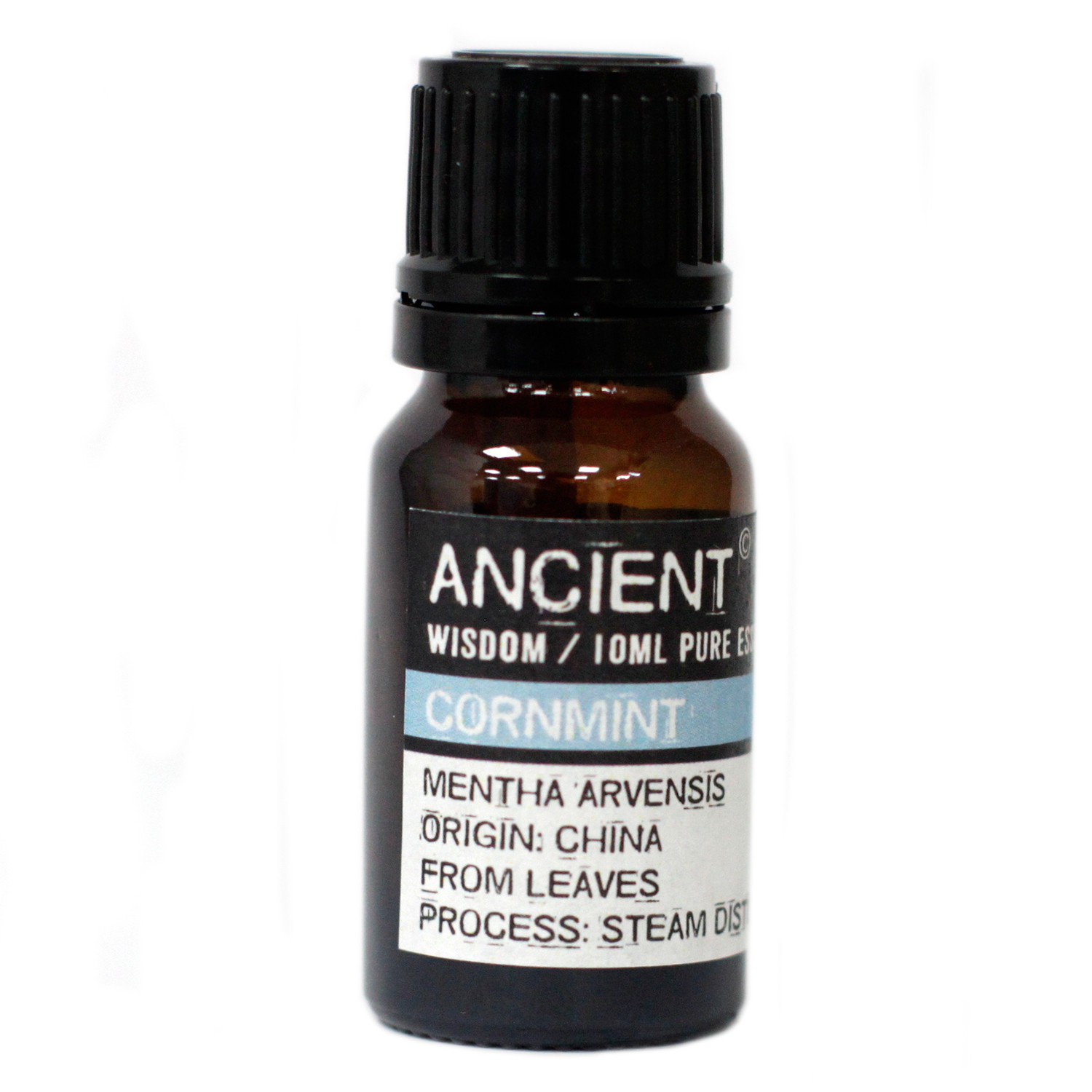
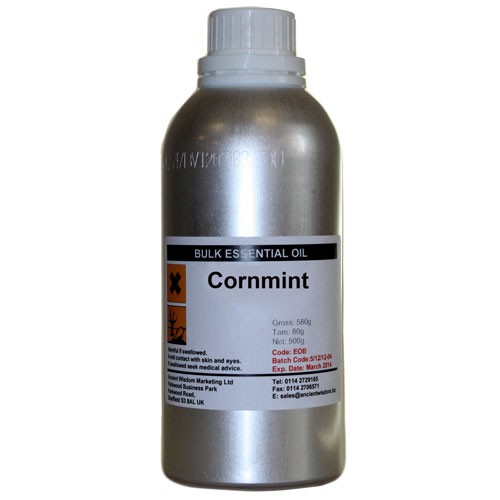
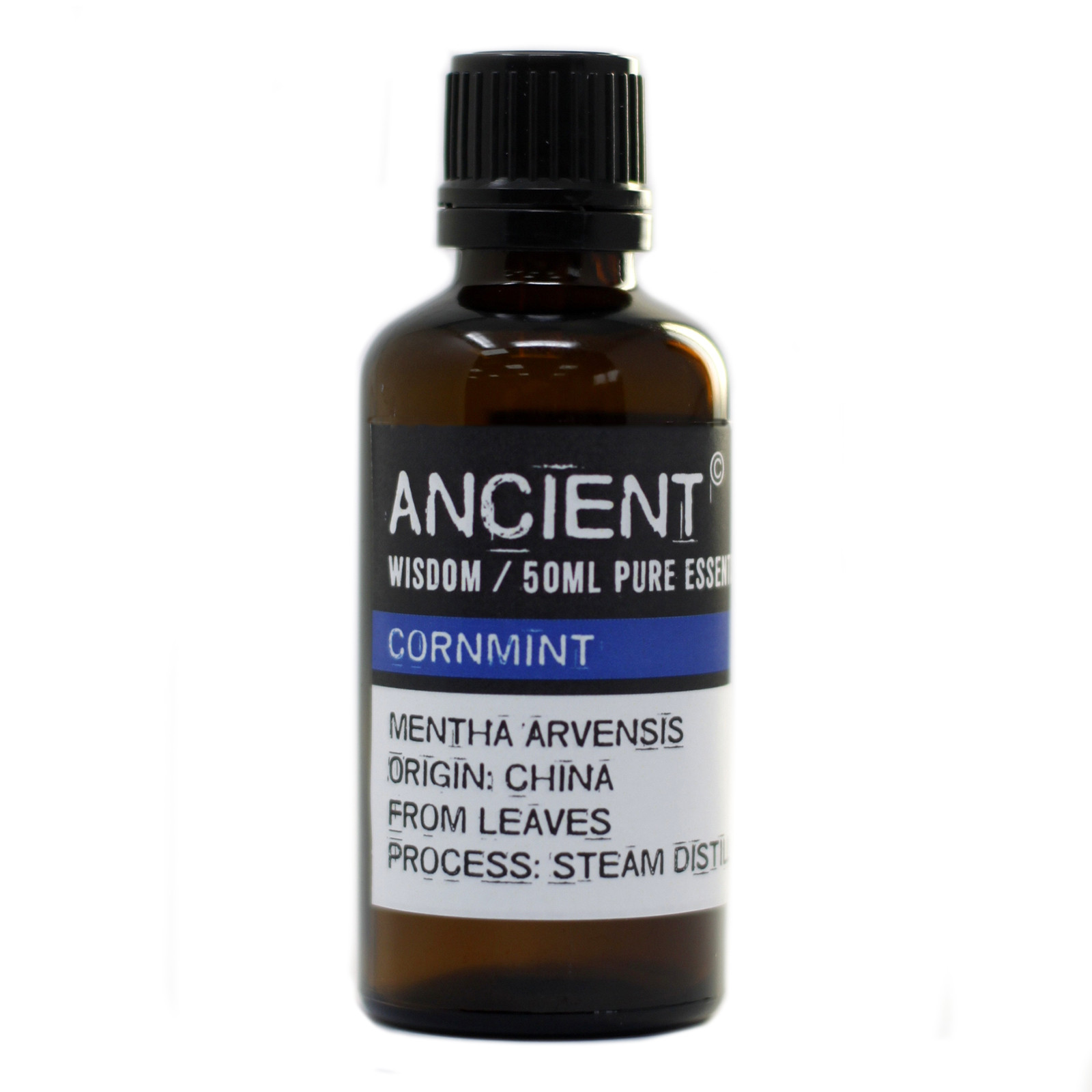
Cornmint Essential Oil
Latin Name: Mentha Arvensis
Part Of Plant Used: Leaves
Source: China
Extraction Method: Steam Distillation
£3.75 – £69.95Price range: £3.75 through £69.95
Cornmint Essential Oil by The World of Aromatherapy
Cooling Cascade: A Breath of Freshness Amidst the Dance of Nature
🌿 Meadow’s Whisper: Distilled from the verdant embrace of British countryside meadows, our Cornmint Essential Oil captures the fleeting coolness of morning dews and the gentle rustle of mint leaves in the breeze.
💧 Purity Personified: Dive into the invigorating, crisp aroma of Cornmint, reminiscent of fresh peppermint with a softer, earthy nuance. It’s like a brisk walk on a frosty morning, with nature’s freshness kissing your senses.
✨ Soothing Sentinel: Cornmint is more than a sensory pleasure; it’s a cocoon of calm. Renowned for its cooling effects, it’s a balm to weary minds, bringing clarity and a refreshed vigour with every inhalation.
📜 Tradition and Craftsmanship: At The World of Aromatherapy, our commitment is to preserve and present nature in its truest essence. Our Cornmint Oil is a nod to age-old botanical practices, crafted for the discerning aromatherapy enthusiast.
🌍 Eco Elegance: Ensuring the planet thrives alongside our spirit, our Cornmint Essential Oil is a tribute to ethical cultivation, sustainable sourcing, and artisanal distillation techniques.
Usage Guidance: Add a touch of this ethereal essence to your diffuser or blend seamlessly with a carrier oil for a tactile embrace. As with all aromatic treasures, we recommend adhering to dilution guidelines and conducting a preliminary skin patch test.
Embrace Nature’s Cool Embrace. Let The World of Aromatherapy’s Cornmint Oil Envelop You in its Soothing Splendour.
Latin Name: Mentha Arvensis
Part Of Plant Used: Leaves
Source: China
Extraction Method: Steam Distillation
| Weight | 0.04 kg |
|---|---|
| Size | 10ml, 50ml, 500ml |
You must be logged in to post a review.
Cornmint essential oil is a popular choice for aromatherapy enthusiasts due to its refreshing and invigorating scent. It is extracted from the leaves of the cornmint plant, which is a species of mint that is native to Asia and Europe. The oil is commonly used in diffusers, massage oils, and other aromatherapy products to promote relaxation, ease tension, and improve overall well-being.
One of the key characteristics of cornmint essential oil is its high menthol content, which gives it a cool, minty aroma. This makes it particularly useful for respiratory problems, as inhaling the oil can help to clear congestion and ease breathing. Additionally, cornmint essential oil has been shown to have anti-inflammatory and analgesic properties, making it a popular choice for relieving headaches, muscle aches, and other types of pain.
Cornmint essential oil is a highly aromatic and potent oil that is extracted from the leaves of the Mentha arvensis plant, which is a member of the Lamiaceae family. This plant is a perennial herb that is native to Asia, but it is now widely cultivated in different parts of the world, including India, China, and the United States.
Cornmint essential oil is also known as Japanese mint oil or field mint oil. It has a strong, minty aroma that is similar to peppermint oil, but it is more pungent and less sweet. The oil is obtained through steam distillation of the flowering herb, and it is pale yellow-green in colour.
The botanical name for cornmint is Mentha arvensis, and it is sometimes referred to as wild mint or corn mint. This plant has been used for centuries in traditional medicine for its various health benefits. Cornmint essential oil is used in aromatherapy and as an ingredient in various personal care products, including soaps, shampoos, and toothpaste.
Cornmint essential oil is a versatile oil that has a wide range of uses and benefits. It is known for its analgesic, anti-inflammatory, and antimicrobial properties, making it an effective natural remedy for various health conditions. The oil is also used in aromatherapy for its refreshing and stimulating effects on the mind and body.
Overall, cornmint essential oil is a valuable addition to any aromatherapy collection. Its potent aroma and therapeutic properties make it a popular choice for those seeking natural remedies for various health conditions.
Cornmint Essential Oil is extracted from the leaves of the Cornmint plant, which is a hybrid of Spearmint and Peppermint. The oil is extracted through steam distillation, which is a common method for extracting essential oils from plants.
During steam distillation, steam is passed through the plant material, which helps to release the essential oil. The steam and essential oil vapours are then condensed and collected in a separate container.
Cornmint Essential Oil can contain up to 80% menthol. However, most Cornmint Oil has been fractionated (dementholized) to remove a large percentage of the menthol. The resulting dementholized oil is not commonly used within holistic aromatherapy. Peppermint Essential Oil is preferred for aromatherapy applications.
The yield of Cornmint Essential Oil from the steam distillation process varies depending on the quality of the plant material and the distillation process. Typically, it takes about 50 kg of Cornmint leaves to produce 1 kg of essential oil.
Overall, steam distillation is a safe and effective method for extracting Cornmint Essential Oil from its leaves. It is important to ensure that the plant material is of high quality and that the distillation process is carried out correctly to obtain a high-quality essential oil.
Cornmint essential oil is a fresh, natural, and thin oil with a strong, minty aroma that is similar to peppermint oil. It is extracted from the Mentha arvensis plant, which is native to Asia and Europe. This essential oil is 100% pure and is commonly used in aromatherapy due to its numerous therapeutic properties.
Cornmint essential oil has a high content of menthol, which gives it a cooling and refreshing effect. It is also rich in other compounds such as menthone, isomenthone, and pulegone. These compounds give cornmint oil its characteristic aroma and provide it with various health benefits.
The aroma of cornmint essential oil is invigorating and uplifting, making it an excellent choice for aromatherapy. It can help to clear the mind and improve mental clarity, making it useful for concentration and focus. The oil’s strong aroma can also help to alleviate feelings of stress and anxiety.
Cornmint essential oil is often used in massage therapy due to its analgesic and anti-inflammatory properties. It can help to relieve muscle pain and soreness, making it useful for athletes and those with chronic pain. The oil’s cooling effect can also help to reduce inflammation and swelling in the body.
In conclusion, cornmint essential oil is a versatile and powerful oil that has numerous therapeutic properties. Its strong, minty aroma and cooling effect make it an excellent choice for aromatherapy and massage therapy. When using cornmint essential oil, it is important to ensure that you are using a high-quality, 100% pure oil to ensure maximum benefits.
Cornmint essential oil is a refreshing and uplifting oil that has many benefits for aromatherapy. It has a minty aroma that can help improve mental clarity and focus. Here are some of the benefits of Cornmint essential oil for aromatherapy:
Cornmint essential oil can be used in a variety of ways for aromatherapy. It can be added to a diffuser or vaporizer to create a refreshing and uplifting atmosphere. It can also be added to a carrier oil and used for massage or added to a bath.
Overall, Cornmint essential oil is a versatile oil that has many benefits for aromatherapy. It can help to uplift the mood, improve focus and mental clarity, and promote feelings of wellbeing.
Cornmint essential oil has been used for centuries for its medicinal properties. It is known for its antiseptic, anti-inflammatory, and analgesic properties. When it comes to skin health, Cornmint essential oil can be used to treat various skin conditions.
Acne is a common skin condition that affects many people. Cornmint essential oil can help treat acne due to its antiseptic and anti-inflammatory properties. It helps to kill the bacteria that cause acne and reduce inflammation.
To use Cornmint essential oil for acne, mix a few drops with a carrier oil such as coconut oil and apply it to the affected area. It is important to do a patch test before using it on the face.
Cornmint essential oil can also be used to treat skin irritation. It has a cooling effect that helps to soothe the skin and reduce inflammation. It is particularly effective for treating insect bites and stings.
To use Cornmint essential oil for skin irritation, mix a few drops with a carrier oil and apply it to the affected area. It can also be added to a bath to soothe the skin.
Cornmint essential oil can also be used to treat other skin conditions such as eczema and psoriasis. Its anti-inflammatory properties help to reduce inflammation and soothe the skin.
To use Cornmint essential oil for eczema or psoriasis, mix a few drops with a carrier oil and apply it to the affected area. It is important to do a patch test before using it on a large area of the skin.
Overall, Cornmint essential oil is a versatile oil that can be used to treat various skin conditions. Its antiseptic, anti-inflammatory, and analgesic properties make it an effective natural remedy for skin health.
Cornmint Essential Oil has been known to have several benefits for the digestive system. The oil can be used to relieve digestive issues such as constipation, gas, and nausea. It works by stimulating the digestive system and promoting the secretion of digestive juices, which helps to improve digestion.
The oil is also known to have antispasmodic properties, which can help to reduce stomach cramps and spasms. This makes it an effective remedy for those who suffer from irritable bowel syndrome (IBS) and other digestive disorders.
Cornmint Essential Oil can be used in several ways to improve digestive health. One way is to dilute the oil in a carrier oil and massage it onto the stomach area. This can help to relieve digestive discomfort and promote healthy digestion.
Another way to use Cornmint Essential Oil is to inhale it using a diffuser or vaporizer. This can help to stimulate the digestive system and promote healthy digestion.
It is important to note that Cornmint Essential Oil should be used with caution, as it can be toxic in high doses. It is recommended to dilute the oil before use and to consult with a healthcare professional before using it for medicinal purposes.
Overall, Cornmint Essential Oil can be a beneficial addition to an aromatherapy routine for those looking to improve their digestive health.
Cornmint essential oil is known for its refreshing and invigorating properties, making it a popular choice for aromatherapy. It is also commonly used to support respiratory health, especially during cold and flu season.
When diffused, cornmint essential oil can help clear the airways and promote easier breathing. It is also believed to have anti-inflammatory and antimicrobial properties, which can help to soothe sore throats and fight off infections.
One way to use cornmint essential oil for respiratory problems is to add a few drops to a diffuser or humidifier. This can help to disperse the oil into the air, where it can be inhaled and provide respiratory relief.
Another way to use cornmint essential oil is to add a few drops to a bowl of hot water and inhale the steam. This can help to soothe nasal congestion and relieve coughs.
It is important to note that while cornmint essential oil can be helpful for respiratory problems, it should not be used as a substitute for medical treatment. If symptoms persist or worsen, it is important to seek advice from a healthcare professional.
Overall, cornmint essential oil can be a useful tool for supporting respiratory health. Its refreshing aroma and potential therapeutic benefits make it a popular choice for those looking to improve their breathing and soothe respiratory problems.
Cornmint essential oil is a popular choice for relieving headaches and muscle aches due to its cooling and soothing properties. It contains menthol, which has a numbing effect on the affected area, providing relief from pain and discomfort.
When using cornmint essential oil for headaches, it is recommended to dilute it with a carrier oil such as coconut or jojoba oil before applying it to the temples or forehead. A few drops of cornmint essential oil can also be added to a warm bath to help ease tension and promote relaxation.
For muscle aches, cornmint essential oil can be applied topically to the affected area after being diluted with a carrier oil. It can also be added to a massage oil or cream for a more targeted treatment.
It is important to note that cornmint essential oil should not be ingested and should be kept away from the eyes and mucous membranes. Pregnant women and children should also consult with a healthcare professional before using cornmint essential oil for headaches or muscle aches.
Overall, cornmint essential oil can be a useful addition to an aromatherapy routine for those experiencing headaches and muscle aches. Its cooling and soothing properties can provide relief and promote relaxation.
Cornmint Essential Oil is a versatile oil that blends well with many other essential oils. It has a strong minty and menthol-like aroma, which makes it a popular choice for aromatherapy.
Some of the essential oils that blend well with Cornmint Essential Oil include:
When blending Cornmint Essential Oil with other essential oils, it is important to consider the therapeutic properties of each oil and how they will complement each other. Here are some common blends that use Cornmint Essential Oil:
When creating essential oil blends, it is important to use high-quality oils and to dilute them properly before use. It is also important to test the blend on a small patch of skin before using it more extensively.
Overall, Cornmint Essential Oil is a great addition to any essential oil blend. Its strong minty aroma and therapeutic properties make it a versatile oil that can be used for a variety of purposes.
Cornmint essential oil is a highly concentrated oil that requires careful handling to ensure safe use. When used appropriately, it can offer numerous benefits. However, it is important to take some common sense precautions to avoid any potential side effects.
Cornmint essential oil should never be used undiluted on the skin. It should always be diluted with a carrier oil before topical application. The recommended dilution ratio is 1-2% of essential oil to carrier oil.
When applying cornmint essential oil topically, it is important to avoid sensitive areas such as the eyes, ears, nose, and genitals. It should also be avoided on damaged or irritated skin.
Cornmint essential oil should not be taken internally without the guidance of a qualified aromatherapist or healthcare professional.
Individuals with medical issues such as epilepsy, high blood pressure, liver or kidney disease should consult with a healthcare professional before using cornmint essential oil.
Pregnant women and children should avoid using cornmint essential oil. It is also not recommended for use on infants under the age of 6.
Cornmint essential oil may cause skin irritation, allergic reactions, and respiratory issues if used improperly. It is important to perform a patch test before using it for the first time.
In conclusion, cornmint essential oil can be a valuable addition to an aromatherapy practice when used safely and appropriately. It is important to follow the recommended dilution ratios, avoid sensitive areas, and consult with a healthcare professional if necessary.
Cornmint has a long history of use in traditional medicine across the world. In ancient Rome, it was used as a digestive aid, and in the Eastern Hemisphere, it was used to treat respiratory issues. In Vietnam, it was used to relieve headaches and fever, while in Brazil and Argentina, it was used for its analgesic and anti-inflammatory properties.
Cornmint essential oil was traditionally used as a herbal medicine to treat a variety of ailments. It was used topically to relieve pain and inflammation, and as a natural insect repellent. It was also used in aromatherapy to improve respiratory function and to promote relaxation.
Cornmint essential oil has a high menthol content, which gives it a cooling sensation when applied topically. This makes it an effective natural pain reliever for conditions such as headaches, muscle aches, and joint pain. It is also commonly used to relieve respiratory issues such as coughs, colds, and sinus congestion.
In addition to its pain-relieving and respiratory benefits, Cornmint essential oil has also been used to improve digestion, reduce fever, and promote relaxation. It has a refreshing and uplifting scent, which makes it a popular choice for aromatherapy.
Overall, Cornmint essential oil has a rich history of use in traditional medicine across the globe. Its analgesic, anti-inflammatory, respiratory, and digestive benefits make it a versatile and valuable addition to any aromatherapy or natural health toolkit.
Cornmint Essential Oil is a versatile oil that can be used in a variety of products, including aromatherapy diffusers, soaps, and carrier oils. Here are some ways in which Cornmint Essential Oil can be used in different products:
Cornmint Essential Oil is a popular choice for use in aromatherapy diffusers. When diffused, it can help to clear the mind and promote mental clarity. It can also help to relieve feelings of stress and anxiety. To use Cornmint Essential Oil in a diffuser, simply add a few drops to the water reservoir and turn on the device.
Cornmint Essential Oil can be used to add a refreshing and invigorating scent to soaps. It can also help to soothe and cool the skin, making it a great choice for use in soaps designed for use after exercise or in hot weather. To use Cornmint Essential Oil in soap, simply add a few drops to the soap mixture before pouring it into the mould.
Cornmint Essential Oil can be added to carrier oils such as jojoba, coconut, or sweet almond oil to create a soothing massage oil. When used in this way, it can help to relieve muscle tension and promote relaxation. To use Cornmint Essential Oil in a carrier oil, simply add a few drops to the carrier oil and mix well.
Overall, Cornmint Essential Oil is a versatile and useful oil that can be used in a variety of products. However, it is important to use it in moderation and to dilute it properly before use.
Cornmint essential oil is a highly concentrated substance that is used in aromatherapy. As with all essential oils, it is important to ensure that the oil is of high quality and meets certain standards before using it.
The United States Food and Drug Administration (FDA) does not regulate essential oils or aromatherapy products. However, it is important to ensure that the oil is safe for use and has been produced in a safe and hygienic manner.
Organic certification is not required for essential oils, but it can provide assurance that the oil has been produced using organic farming methods and that no synthetic pesticides or fertilisers have been used.
Cornmint essential oil has a shelf life of approximately two years when stored in a cool, dark place. It is important to check the expiration date before using the oil and to discard any oil that has expired.
Cornmint essential oil is highly concentrated and should be used with caution. It is important to dilute the oil before using it on the skin or in a diffuser. It is also important to follow the recommended guidelines for use and to avoid using the oil in excessive quantities.
In summary, it is important to ensure that Cornmint essential oil is of high quality and meets certain standards before using it in aromatherapy. While the FDA does not regulate essential oils, it is important to ensure that the oil has been produced in a safe and hygienic manner. Organic certification can provide assurance that the oil has been produced using organic farming methods. It is also important to be aware of the shelf life of the oil and to use it in a diluted form due to its highly concentrated nature.
Cornmint essential oil is derived from the leaves of the Mentha arvensis plant, which is native to North America and Asia. The oil is extracted through steam distillation, and it has a strong, fresh, and minty aroma. Cornmint essential oil is known for its therapeutic properties and is commonly used in aromatherapy.
The main chemical components of cornmint essential oil are menthol, menthone, and limonene. These components are responsible for the oil’s unique fragrance and therapeutic benefits.
Menthol is the primary component of cornmint essential oil, comprising 40-60% of the oil’s chemical makeup. Menthol has a cooling and soothing effect on the skin and mucous membranes, making it a popular ingredient in topical pain relief products. It also has antispasmodic properties, which can help to relieve muscle cramps and spasms.
Menthone is another significant component of cornmint essential oil, accounting for 20-30% of the oil’s chemical composition. Menthone has a minty aroma and is commonly used in the fragrance and flavour industries. It also has analgesic properties, making it useful for pain relief.
Limonene is a minor component of cornmint essential oil, but it still plays an important role in the oil’s therapeutic benefits. Limonene has anti-inflammatory and antioxidant properties, making it useful for treating a variety of health conditions, including respiratory issues, digestive problems, and skin conditions.
In summary, cornmint essential oil is a potent and versatile oil that contains several beneficial chemical components, including menthol, menthone, and limonene. These components contribute to the oil’s unique fragrance and therapeutic properties, making it a popular choice for aromatherapy and other natural health remedies.
Cornmint essential oil is a natural insect repellent that is effective against a wide range of insects, including mosquitoes, flies, and ants. The oil contains high levels of menthol, which gives it a strong minty scent that insects find unpleasant.
When used in aromatherapy, cornmint essential oil can be diffused in the air to repel insects and prevent them from entering a room. It can also be applied topically to the skin to deter insects from biting.
Cornmint essential oil can be combined with other essential oils, such as citronella, lemongrass, and lavender, to create a natural insect repellent spray. To make a spray, combine 10-15 drops of cornmint essential oil with 1 cup of water in a spray bottle. Shake well before each use and spray on exposed skin and clothing.
It is important to note that cornmint essential oil should not be used on children under the age of six or on pregnant women. It should also be used with caution on individuals with sensitive skin, as it can cause skin irritation.
Overall, cornmint essential oil is a natural and effective insect repellent that can be used in a variety of ways to keep insects at bay.
Cornmint essential oil is known for its refreshing and energizing scent, making it a popular choice for aromatherapy. However, when it comes to pets, it is important to exercise caution before using any essential oils.
While cornmint oil is generally safe for dogs, it should still be used with care. It is recommended to dilute the oil with a carrier oil such as coconut or olive oil before applying it topically to your pet. It is also important to avoid using cornmint oil near your pet’s eyes, nose, and mouth.
When using cornmint oil for aromatherapy around your pet, it is important to monitor their behaviour and make sure they are not showing any signs of discomfort or irritation. If your pet shows any signs of discomfort, stop using the oil immediately and consult with a veterinarian.
It is worth noting that cats are more sensitive to essential oils than dogs, and cornmint oil should be avoided around them altogether.
Overall, cornmint essential oil can be a safe and beneficial addition to your pet’s aromatherapy routine when used with caution and in moderation.
When it comes to using essential oils with infants, extra caution should be taken. Cornmint essential oil is generally considered safe for use with infants, but it should be diluted properly before use. It is important to note that infants have delicate skin and respiratory systems, so it is crucial to use only safe and appropriate essential oils in their presence.
Cornmint essential oil can be used in aromatherapy for infants to help soothe and calm them. It is believed to have a calming effect on the nervous system and can help promote relaxation and sleep. However, it is important to remember that essential oils should never be applied directly to an infant’s skin or ingested.
Here are some tips for using Cornmint essential oil with infants:
Overall, Cornmint essential oil can be a safe and effective option for use with infants in aromatherapy. However, it is important to exercise caution and follow proper dilution and usage guidelines to ensure the safety and well-being of infants.
Cornmint essential oil has been used for its medicinal properties for centuries. It is known for its soothing and cooling effects on the body, making it a popular choice for aromatherapy. However, patients suffering from cholestasis should avoid the use of this product.
Cholestasis is a condition that occurs when the flow of bile from the liver is reduced or blocked. This can lead to the accumulation of bile acids in the liver, which can cause liver damage and other health problems. Patients with cholestasis should avoid using cornmint essential oil because it can stimulate the liver and increase the production of bile, which can exacerbate the symptoms of cholestasis.
While there are no significant, undesirable side effects of using cornmint essential oil, it is important to exercise caution when using this product. Pregnant women should seek their doctor’s approval before using any essential oil, including cornmint essential oil. Patients with cholestasis should avoid using this product altogether.
In conclusion, cornmint essential oil can be a powerful tool in aromatherapy, but it is important to use it responsibly. Patients with cholestasis should avoid using this product, as it can exacerbate their symptoms. If you are unsure whether cornmint essential oil is safe for you to use, consult with a healthcare professional before incorporating it into your wellness routine.
When using Cornmint Essential Oil for aromatherapy, it is important to follow safety guidelines and use it properly. Always dilute the oil before use, and avoid using it on sensitive skin or near the eyes. If you are pregnant or have a medical condition, consult with a healthcare professional before using this oil.


Reviews
There are no reviews yet.