

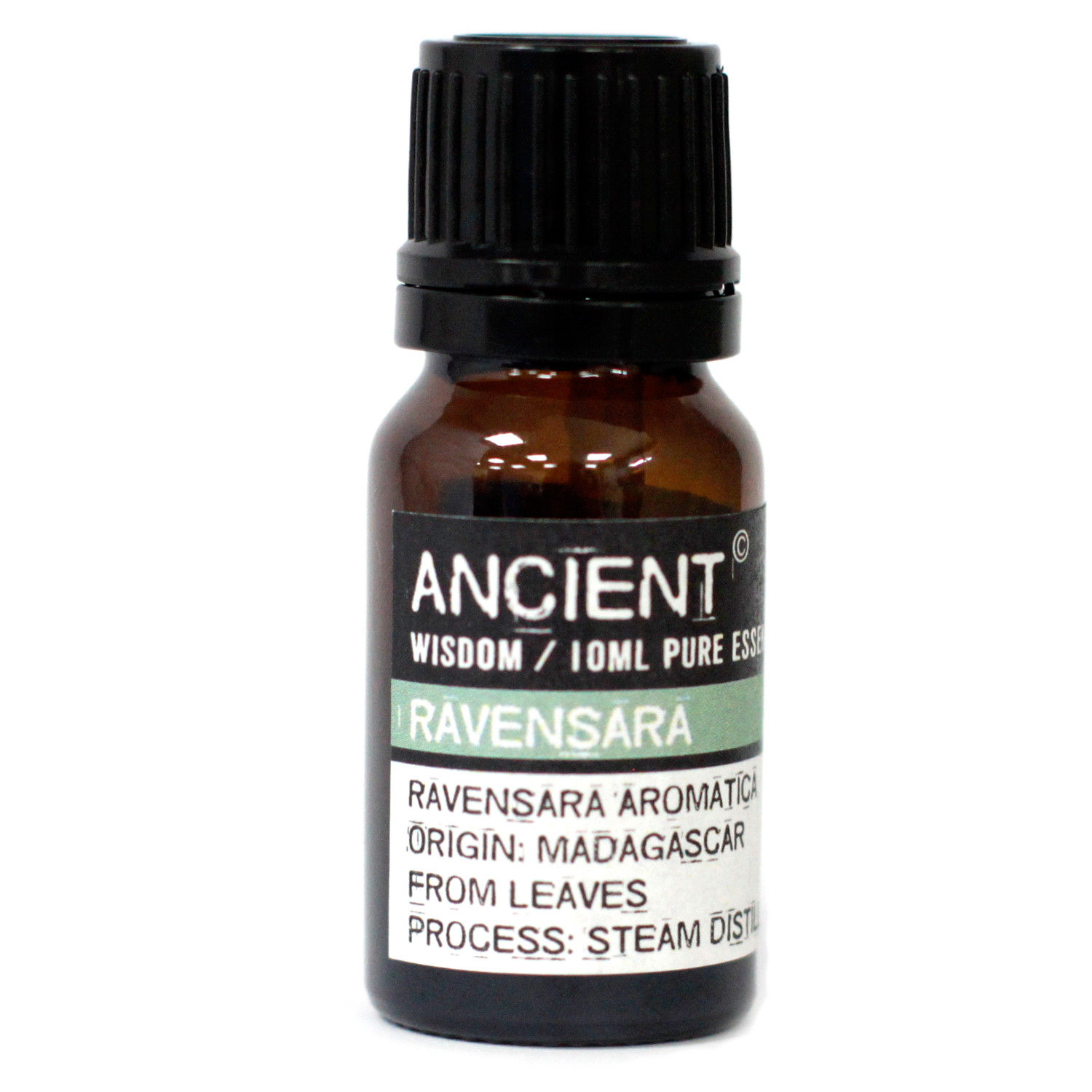
Ravensara essential oil is a potent and versatile oil that has been used for centuries in traditional medicine. This oil is extracted from the leaves of the Ravensara tree, which is native to Madagascar
£6.50 – £159.00Price range: £6.50 through £159.00
The World of Aromatherapy’s Ravensara Essential Oil
🍃 Introducing the wonders of our Ravensara Essential Oil, a hidden gem from the lush rainforests of Madagascar.
🌿 A potent purifier, Ravensara is cherished for its clarifying and revitalising aroma, invigorating both body and spirit.
💆 Let its gentle camphoraceous scent soothe your senses, bringing relaxation to tension-filled days.
🌍 Harness the antimicrobial and antiviral properties of this oil, making it a valuable addition to your natural wellness routine.
🌟 Dive into the aromatic embrace of The World of Aromatherapy’s Ravensara Essential Oil, and let nature’s potency guide your holistic journey.
Latin Name : Ravensara Aromatica
Part Of Plant Used : Leaves
Source : Madagascar
Extraction Method : Steam Distillation
This Ravensara Essential Oil is a powerful antiseptic, antibacterial, and antiviral, used to treat internal and skin conditions. Ravensara Essential Oil is used in aromatherapy to treat ailments caused by excess mucous and phlegm in the respiratory tract.
The primary chemical compounds found in Ravensara essential oil include estragole (about 80%), methyl eugenol (8.5%), and limonene (3%).
Estragole is known for reducing fatigue, alleviating stress, improving sleep quality, relieving headaches, boosting cognitive function, and improving mood.
Limonene is well-known for its antioxidant and anti-inflammatory properties, providing a remedy for a range of health issues and improving overall well-being.
Because of its antibacterial, antiviral, and antimicrobial properties, Ravensara essential oils effectively help the body fight the cold virus. If you feel a cold coming on, try taking a relaxing bath with a few drops of Ravensara essential oil for relief.
| Weight | 0.04 kg |
|---|---|
| Size | 10ml, 50ml, 500ml |
You must be logged in to post a review.
Ravensara essential oil is a potent and versatile oil that has been used for centuries in traditional medicine. This oil is extracted from the leaves of the Ravensara tree, which is native to Madagascar. Ravensara oil has a fresh, medicinal aroma that is both calming and invigorating. It is highly valued for its therapeutic properties and is widely used in aromatherapy.
Ravensara essential oil is a Lauraceae (laurel) family member and is also known as Ravensara aromatica. It is often confused with Ravensara anisata, which is also known as African ravensara. However, Ravensara aromatica is the only species that is used in aromatherapy. This oil is extracted through steam distillation of the leaves of the Ravensara tree.
Extraction and Composition: Ravensara essential oil is composed of various chemical compounds, including limonene, sabinene, methyl chavicol, alpha-terpineol, and alpha-pinene. These compounds give Ravensara oil its unique aroma and therapeutic properties. Ravensara oil is pale yellow in colour and has a thin consistency.
Ravensara essential oil is extracted from the leaves of the Ravensara aromatica tree native to Madagascar. It is a member of the Lauraceae family, which also includes cinnamon, bay, and camphor. The botanical name for Ravensara is Ravensara aromatica.
The oil is extracted through steam distillation of the leaves of the tree. It has a clear, pale yellow and fresh, medicinal aroma. Ravensara essential oil is considered safe for use, but it is always recommended to be diluted.
Ravensara essential oil is known for its antiviral and antibacterial properties. It is commonly used to treat respiratory infections like colds, flu, and bronchitis. It is also used to alleviate muscle pain and headaches.
The chemical composition of Ravensara essential oil includes eucalyptol, limonene, and alpha-terpineol. These compounds are responsible for the oil’s therapeutic properties.
Ravensara essential oil should not be confused with ravintsara essential oil, which is extracted from the Cinnamomum camphora tree. While both oils have similar therapeutic properties, ravintsara essential oil has a higher level of camphor, which makes it more stimulating and energising.
In conclusion, Ravensara essential oil is a powerful natural remedy that has been used for centuries in traditional medicine. Its antiviral and antibacterial properties make it an effective treatment for respiratory infections, while its fresh, medicinal aroma makes it a popular choice in aromatherapy.
Ravensara essential oil is extracted from the leaves of the Ravensara aromatica tree native to Madagascar. The oil is extracted through steam distillation, which is the most common method used to extract essential oils from plants. This method can preserve the delicate balance of volatile organic compounds in the plant material, producing high-quality essential oil.
The chemical composition of Ravensara essential oil varies depending on the location of the tree and the time of year it was harvested. However, some of the most common compounds found in Ravensara essential oil include limonene, sabinene, linalool, pinene, eugenol, methyl eugenol, methyl chavicol, caryophyllene, terpineol, and a-pinene. These compounds are responsible for the many benefits associated with Ravensara essential oil.
Limonene, for example, is known for its ability to relieve stress and anxiety, while sabinene has anti-inflammatory properties that can help reduce pain and inflammation. Linalool is a powerful antioxidant that can help protect the body from free radicals, and pinene has antimicrobial properties that can help fight off infections.
Eugenol, methyl eugenol, and methyl chavicol are all compounds that have been shown to have antifungal and antibacterial properties, making Ravensara essential oil effective in treating a variety of infections. Caryophyllene is another compound found in Ravensara essential oil that has anti-inflammatory properties, and terpineol has been shown to have sedative effects, making it useful for treating insomnia and other sleep disorders.
Overall, Ravensara essential oil has a complex chemical composition that makes it a powerful tool for treating a variety of health conditions. Its unique combination of compounds makes it effective in treating everything from respiratory infections to insomnia, making it a popular choice among aromatherapists and natural health practitioners.
Ravensara Essential Oil has a unique aromatic spicy and herbaceous profile. It has a sweet, slightly medicinal scent with a hint of eucalyptus and pine. Ravensara blends well with a variety of essential oils, including rosemary, lavender, black pepper, geranium, thyme, sandalwood, bergamot, lemon, cedarwood, and ravintsara.
The spicy notes of Ravensara make it an excellent addition to blends for respiratory support. It can help open up the airways and soothe coughs and congestion. Ravensara also has a slightly sweet aroma that can help balance out the sharpness of other oils in a blend.
The herbaceous notes of Ravensara make it a good choice for blends that promote relaxation and calmness. It can help to ease stress and anxiety and promote a sense of peace and tranquillity.
Overall, Ravensara Essential Oil has a complex and unique aroma, making it a versatile addition to any aromatherapy toolkit. Its spicy, herbaceous, and sweet notes make it an excellent choice for blends that promote respiratory health, relaxation, and overall well-being.
Ravensara essential oil is popular among aromatherapists due to its numerous benefits. It has a fresh, slightly medicinal aroma that is both relaxing and stimulating. This oil is extracted from the leaves of the Ravensara tree, which is native to Madagascar. It is also known as “havozo” or “hazomanitra” in Madagascar.
Aromatherapy is the use of essential oils to promote physical and emotional well-being. Ravensara essential oil is a valuable addition to any aromatherapy practice due to its therapeutic properties. It is commonly used in diffusers, vaporizers, and steam inhalations.
When diffused, Ravensara essential oil can help to promote relaxation and calm the mind. It is also a natural stimulant that can help to increase mental alertness and focus. Many aromatherapists recommend using Ravensara essential oil in the morning to help start the day off on the right foot.
In clinical aromatherapy, Ravensara essential oil is used to treat respiratory conditions such as colds, flu, and bronchitis. It has antiviral, antibacterial, and antifungal properties, making it an effective natural remedy for these conditions. When used in steam inhalation, Ravensara essential oil can help to clear congestion and relieve coughing.
Ravensara essential oil is also a natural relaxant that can help to relieve joint and muscular pain. It is often used in massage blends to help ease tension and promote relaxation. When combined with other relaxing essential oils such as lavender and chamomile, Ravensara essential oil can help to create a calming and soothing atmosphere.
In conclusion, Ravensara essential oil is valuable to any aromatherapy practice. Its therapeutic properties make it an effective natural remedy for a wide range of physical and emotional conditions. Whether used in a diffuser, vaporizer, or steam inhalation, Ravensara essential oil can help promote relaxation, stimulate the mind, and relieve respiratory and muscular conditions.
Ravensara essential oil is known for its various therapeutic properties and benefits. Its antiviral, antibacterial, antiseptic, antifungal, analgesic, expectorant, antimicrobial, diuretic, anti-allergen, tonic, and immunostimulant properties make it a versatile oil for aromatherapy.
The oil’s antiviral properties make it an effective remedy for viral infections such as influenza, cold sores, and herpes. Its antibacterial properties make it useful in treating bacterial infections like staphylococcus and streptococcus. The oil’s antiseptic properties also make it a good disinfectant for wounds, cuts, and scrapes.
Ravensara essential oil’s antifungal properties make it useful in treating fungal infections like athlete’s foot and ringworm. Its analgesic properties make it an effective pain reliever for headaches, muscle pains, and joint pains. The oil’s expectorant properties make it an excellent remedy for respiratory problems like coughs, colds, and bronchitis.
The oil’s antimicrobial properties make it useful in preventing the growth of harmful microorganisms. Its diuretic properties effectively treat urinary tract infections and reduce water retention. The oil’s anti-allergen properties make it useful in treating allergies like hay fever and asthma.
Ravensara essential oil’s tonic properties make it an excellent general health tonic that promotes overall well-being and vitality. The oil’s immunostimulant properties make it useful in boosting the immune system and preventing infections.
Overall, Ravensara essential oil is versatile and has many therapeutic properties and benefits. Its antiviral, antibacterial, antiseptic, antifungal, analgesic, expectorant, antimicrobial, diuretic, anti-allergen, tonic, and immunostimulant properties make it a valuable addition to any aromatherapy kit.
Ravensara essential oil has a wide range of uses, including aromatherapy, massage, and as an ingredient in various blends. Here are some ways to use Ravensara essential oil:
One of the most common uses of Ravensara essential oil is in aromatherapy. To use Ravensara essential oil for aromatherapy, add a few drops to a diffuser or vaporizer. The oil can help to clear congestion, relieve respiratory symptoms, and promote relaxation.
Ravensara essential oil is also used as a massage oil. To use Ravensara essential oil for massage, mix a few drops of the oil with a carrier oil, such as coconut or jojoba oil. This can help to relieve muscle tension, promote relaxation, and improve circulation.
Adding Ravensara essential oil to a bath can help to promote relaxation and relieve respiratory symptoms. To use Ravensara essential oil in a bath, mix a few drops of the oil with a carrier oil or add it directly to the bathwater.
Ravensara essential oil can be used to make a spray that can be used to freshen up a room or to help relieve respiratory symptoms. Mix a few drops of Ravensara essential oil with water in a spray bottle to make a spray.
Ravensara essential oil can be blended with other essential oils to create a custom blend. Some oils that blend well with Ravensara essential oil include eucalyptus, lavender, peppermint, and tea tree oil.
When using Ravensara essential oil topically, it is important to dilute the oil with a carrier oil. Some carrier oils that can be used with Ravensara essential oil include coconut oil, jojoba oil, and sweet almond oil.
Ravensara essential oil should not be used undiluted on the skin, as it can cause skin irritation. Always dilute Ravensara essential oil with a carrier oil before applying it to the skin.
Overall, Ravensara essential oil is a versatile oil that can be used in a variety of ways. Whether you are looking to promote relaxation, relieve respiratory symptoms, or relieve muscle tension, Ravensara essential oil may be a helpful addition to your aromatherapy or massage routine.
Ravensara essential oil is generally safe to use, but it is important to take precautions to avoid any potential adverse effects. Here are some safety precautions and contraindications to keep in mind:
Essential oils should always be kept out of reach of children. Ravensara essential oil should not be used on children under the age of 3 years old, as their skin is more sensitive and may react negatively to the oil. It is recommended to dilute the oil with a carrier oil before applying it to the skin of children over 3 years old.
Pregnant women should avoid using Ravensara essential oil during the first trimester. It is also recommended to consult with a healthcare professional before using the oil during any stage of pregnancy. Essential oils should never be ingested during pregnancy.
Ravensara essential oil should not be used as a substitute for medical treatment. It is important to consult with a healthcare professional before using the oil to treat any medical condition. The oil may interact with certain medications, so it is important to disclose any medication use to a healthcare professional before using the oil.
Ravensara essential oil should not be used as a replacement for prescribed medication. It is important to follow the recommended dosage and usage instructions a healthcare professional provides. Overuse of essential oils may cause adverse effects.
In summary, Ravensara essential oil is generally safe to use, but it is important to take precautions and consult a healthcare professional before using it for medicinal purposes. Essential oils should never be ingested and should always be kept out of reach of children.
Ravensara Essential Oil is known for its therapeutic properties that can help with various conditions. Some of the most common conditions that Ravensara Essential Oil can help with are cold, flu, congestion, fungal infections, shingles, immune system, tension, anxiety, stress, joint pain, sinuses, and chest rub.
Ravensara Essential Oil can help relieve cold and flu symptoms due to its antiviral and antibacterial properties. It can also help boost the immune system and prevent future infections.
Ravensara Essential Oil can help relieve congestion and sinus pressure due to its expectorant properties. It can also help clear the airways and improve breathing.
Ravensara Essential Oil can help treat fungal infections due to its antifungal properties. It can also help prevent the spread of fungal infections.
Ravensara Essential Oil can help relieve the pain and discomfort associated with shingles due to its analgesic properties. It can also help speed up the healing process.
Ravensara Essential Oil can help boost the immune system due to its antiviral, antibacterial, and antimicrobial properties. It can also help prevent future infections.
Ravensara Essential Oil can help relieve tension, anxiety, and stress due to its calming and relaxing properties. It can also help improve mood and promote a sense of well-being.
Ravensara Essential Oil can help relieve joint pain due to its anti-inflammatory properties. It can also help improve mobility and flexibility.
Ravensara Essential Oil can be used as a chest rub to help relieve congestion and cough due to its expectorant properties. It can also help improve breathing and promote relaxation.
Overall, Ravensara Essential Oil is a versatile and effective oil that can help with a wide range of conditions. However, it is important to note that Ravensara Essential Oil should not be used as a substitute for medical treatment and should always be used under the guidance of a qualified healthcare professional.
Ravensara essential oil is a popular choice in aromatherapy due to its numerous benefits. However, it is often compared with other essential oils to understand its unique properties. Here is a comparison of Ravensara essential oil with some other essential oils:
Overall, Ravensara essential oil has unique properties, making it a popular choice for respiratory issues. While it shares some properties with other essential oils, it is milder and less irritating than some of them, making it a better choice for people with sensitive skin.
Ravensara Essential Oil has been the focus of several scientific studies exploring its effectiveness in treating various health conditions. A review article published in Elsevier’s Complementary Therapies in Clinical Practice journal in 2018 found that Ravensara Essential Oil has stimulant and antiviral properties, making it a useful remedy for respiratory tract infections. The study also reported that Ravensara Essential Oil may positively affect mental health by reducing anxiety and stress levels.
Another study published in the Journal of Essential Oil Research in 2016 investigated the chemical composition of Ravensara Essential Oil and found that it contains high levels of 1,8-cineole, a compound known for its antimicrobial properties. The study concluded that Ravensara Essential Oil may be useful in treating middle ear infections caused by bacteria.
Furthermore, a study published in the International Journal of Aromatherapy in 2005 investigated the effects of a blend of Ravensara Essential Oil and Clary Sage Essential Oil on menstrual pain. The study found that the blend significantly reduced the intensity and duration of menstrual pain in the participants.
Overall, the scientific evidence suggests that Ravensara Essential Oil has potential therapeutic benefits for respiratory tract infections, mental health, and menstrual pain. However, more research is needed to understand the effects of Ravensara Essential Oil fully and to determine its safety and efficacy.


Reviews
There are no reviews yet.