

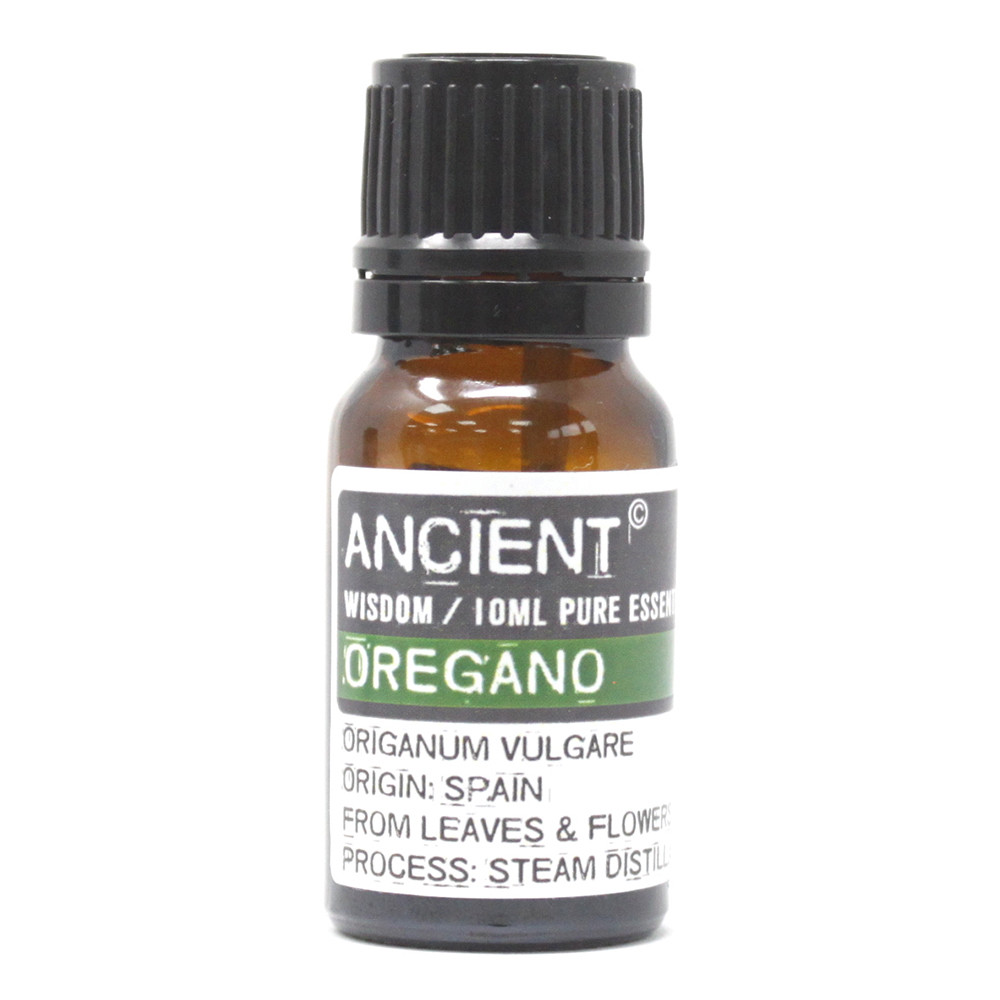
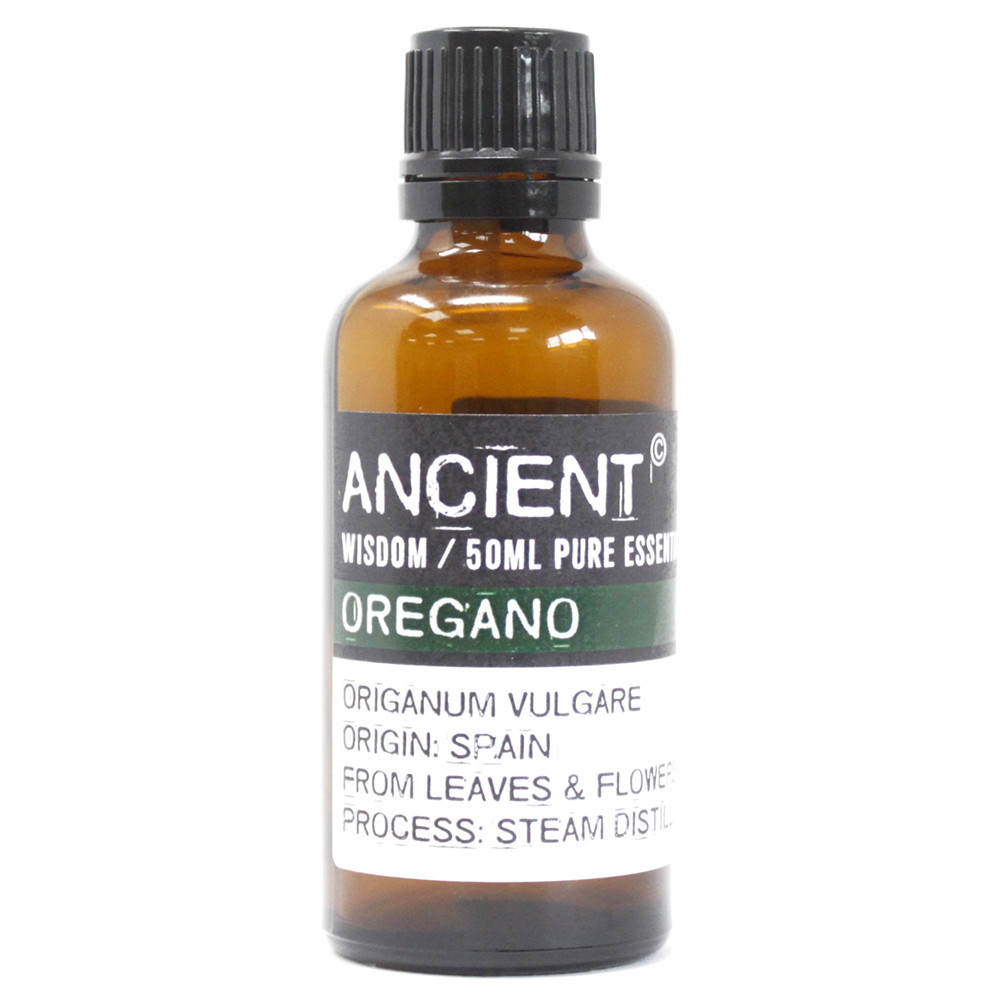

Oregano essential oil is a popular and versatile oil that has been used for centuries for its numerous health benefits. It is derived from the leaves of the oregano plant, which is native to Europe, Asia, and the Mediterranean
£4.25 – £14.95Price range: £4.25 through £14.95
The World of Aromatherapy’s Oregano Essential Oil
🍃 Experience the robust essence of our Oregano Essential Oil, a Mediterranean gem in the world of aromatherapy.
🌟 Boasting a rich, herbaceous aroma, Oregano Essential Oil is not only a kitchen favourite but a powerful ally in holistic wellness.
🌿 When diffused, its potent scent purifies the air and invigorates the senses, bridging the gap between nature and your living space.
🔬 Recognised for its natural antimicrobial properties, this oil is an indispensable tool for those seeking to boost their well-being naturally.
💧 Embark on a sensory journey imbued with tradition and purity with The World of Aromatherapy’s Oregano Essential Oil — nature’s remedy in every drop.
Latin Name : Origanum Vulgare
Plant Part Used : Leaves & Flowers
Source : Spain
Extraction Method : Steam Distillation
Aromatic Description: Herbaceous, sharp, green, camphoraceous
Oregano is one of the most potent and powerful essential oils and has been used for centuries in traditional practices. Due to its high phenol content, caution should be taken when inhaling or diffusing Oregano; only one to two drops is needed.
Additionally, Oregano should be diluted with a carrier oil when applied to the skin.
| Weight | 0.04 kg |
|---|---|
| Size | 10ml, 50ml |
You must be logged in to post a review.

Oregano essential oil is a popular and versatile oil that has been used for centuries for its numerous health benefits. It is derived from the leaves of the oregano plant, which is native to Europe, Asia, and the Mediterranean. The oil is extracted through steam distillation and has a strong, spicy aroma.
Understanding Oregano Essential Oil Oregano essential oil is known for its powerful antibacterial, antiviral, and antifungal properties. It is rich in carvacrol, thymol, and other chemical components that make it effective in fighting off infections and boosting the immune system. In addition, oregano oil is also a potent antioxidant that can help protect the body from free radical damage.
Chemical Components of Oregano Oil The main chemical components of oregano oil include carvacrol, thymol, p-cymene, and gamma-terpinene. These compounds are responsible for the oil’s strong antimicrobial and antioxidant properties. Carvacrol, in particular, has been shown to have powerful antibacterial and antifungal effects, making it an effective natural remedy for various infections.
Oregano essential oil is a potent and versatile oil that is extracted from the leaves of the Origanum Vulgare herb through steam distillation. It is a member of the Labiatae family, which also includes other popular herbs like mint, sage, and rosemary.
The oil has been used for centuries in traditional medicine due to its antibacterial, antiviral, and antifungal properties. It is commonly used to support the immune system and promote respiratory health.
The main chemical compounds found in oregano essential oil are carvacrol and thymol, which are responsible for its antimicrobial properties. These compounds also give the oil its distinctive aroma and flavour.
Oregano essential oil is highly concentrated and should be used with caution. It is recommended to dilute it with a carrier oil before topical application. It can also be diffused or used in aromatherapy to promote a sense of calm and relaxation.
When purchasing oregano essential oil, it is important to ensure that it is 100% pure and of high quality. Look for oils that have been tested for purity and potency.
Overall, oregano essential oil is a powerful and beneficial oil that can be used in a variety of ways to support overall health and wellbeing.
Oregano essential oil is a highly valued product with numerous applications, including chemotherapy. Its chemical composition is complex, and it contains a variety of compounds, including carvacrol, thymol, phenol, antioxidants, phenols, pinene, terpinene, and terpineol.
Carvacrol and thymol are the primary components of oregano oil, accounting for up to 90% of its composition. Both of these compounds have potent antimicrobial properties and are effective against a wide range of bacteria, fungi, and viruses. Carvacrol is also known for its anti-inflammatory properties, and it has been shown to reduce pain and inflammation in animal studies.
Phenol is another important component of oregano oil, and it is responsible for its strong, spicy aroma. Phenols are known for their antioxidant properties, which help to protect the body against free radical damage and oxidative stress. Oregano oil is also rich in other phenolic compounds, including thymol, rosmarinic acid, and caffeic acid, which contribute to its antioxidant activity.
Pinene and terpinene are terpenes found in oregano oil, and they are responsible for its fresh, herbal scent. Terpenes are known for their anti-inflammatory and analgesic properties, and they have been shown to have a positive effect on mood and cognitive function.
Terpineol is a monoterpene alcohol found in oregano oil, and it has been shown to have sedative and relaxing properties. It is also known for its anti-inflammatory and antioxidant effects, making it a valuable component of oregano oil.
In conclusion, oregano essential oil is a complex mixture of compounds with a wide range of therapeutic properties. Its chemical composition is dominated by carvacrol and thymol, which have potent antimicrobial and anti-inflammatory effects. Oregano oil is also rich in phenols, terpenes, and terpineol, which contribute to its antioxidant, anti-inflammatory, and sedative properties.
Oregano essential oil is extracted from the leaves of the oregano plant, which is native to the Mediterranean region. The process of extracting oregano essential oil involves steam distillation or fractional distillation.
Steam distillation is the most common method used to extract oregano essential oil. In this process, steam is passed through the oregano leaves, which causes the oil to evaporate. The steam and oil mixture is then cooled, and the oil is separated from the water.
During the distillation process, the first fraction of oil is obtained at a temperature of 82 °C, and the last fraction of oil is obtained at 140 °C. The undistilled oil is also collected, which is less concentrated than the distilled oil.
Fractional distillation is another method used to extract oregano essential oil. In this process, the oil is separated into different fractions based on their boiling points. The first fraction of oil is obtained at a lower temperature, and the last fraction of oil is obtained at a higher temperature.
Fractional distillation is a more complex process than steam distillation, and it requires specialized equipment. However, it allows for the separation of different compounds in the oil, which can be useful for specific applications.
Overall, both steam distillation and fractional distillation are effective methods for extracting oregano essential oil. The choice of method depends on the specific requirements of the application, and both methods produce high-quality oils with a range of beneficial properties.
Oregano essential oil is a highly beneficial essential oil extracted from the leaves of the oregano plant. It has been used for centuries in traditional medicine for its healing properties. Here are some of the health benefits of oregano essential oil:
Oregano essential oil is a rich source of antioxidants, which are essential for maintaining good health. Antioxidants protect the body from damage caused by free radicals, which are harmful molecules that can cause cell damage and lead to chronic diseases such as cancer and heart disease.
Oregano essential oil has anti-inflammatory properties that can help reduce inflammation in the body. Inflammation is the body’s natural response to injury or infection, but chronic inflammation can lead to a range of health problems, including arthritis, heart disease, and cancer.
Oregano essential oil can help improve digestion by stimulating the production of digestive juices and enzymes. It can also help relieve symptoms of indigestion, bloating, and gas.
Oregano essential oil has a calming effect on the mind and body, making it an effective natural remedy for stress and anxiety. It can help promote relaxation and improve mood, making it a useful tool for managing stress.
Oregano essential oil has been shown to have anti-cancer properties, thanks to its high levels of antioxidants and anti-inflammatory compounds. It can help prevent the growth and spread of cancer cells, making it a potentially valuable tool in cancer prevention and treatment.
Oregano essential oil has been shown to have anti-inflammatory properties that can help relieve symptoms of arthritis. It can help reduce pain and inflammation in the joints, making it a useful natural remedy for those suffering from this condition.
Overall, oregano essential oil is a highly beneficial natural remedy with a range of health benefits. It can be used in a variety of ways, including aromatherapy, topical application, and ingestion. However, it is important to use oregano essential oil with caution, as it can be toxic in high doses. Always consult with a healthcare professional before using any essential oil as a natural remedy.
Oregano essential oil is highly regarded for its antibacterial, antiviral, and anti-inflammatory properties. It is also an excellent choice for various skin conditions. Oregano oil contains carvacrol, a compound with potent antimicrobial properties. It also has thymol, which is known to have antiseptic properties.
When it comes to skincare, oregano oil can be used to soothe and treat various skin conditions such as rosacea and hyperpigmentation. It is also an excellent choice for acne-prone skin. Oregano oil can help reduce the appearance of acne and prevent future breakouts.
To use oregano oil on the skin, it is important to dilute it with a carrier oil. Carrier oils such as coconut and jojoba oil are excellent choices. They help to dilute the essential oil and prevent skin irritation.
Before applying oregano oil to the skin, it is crucial to perform a patch test. Apply a small amount of the diluted oil to the inside of the wrist and wait for 24 hours. If there is no reaction, it is safe to use on the skin.
In conclusion, Oregano essential oil is an excellent choice for various skin conditions. It has potent antimicrobial properties and can help soothe and treat acne-prone skin. When using oregano oil on the skin, it is important to dilute it with a carrier oil and perform a patch test before use.
Oregano essential oil (OEO) has been found to have potent antimicrobial properties, making it an effective natural alternative to traditional antibiotics. Numerous studies have been conducted to evaluate the potential antibacterial, antiviral, and antifungal activities of OEO.
In vitro and in vivo researches have shown that OEO has a broad spectrum of antibacterial properties against various bacteria, including Escherichia coli (E. coli) and Staphylococcus aureus. A study conducted by Goncalves Cattelan et al. (2013) found that OEO has an inhibitory effect on a variety of bacteria and has a broad spectrum of antibacterial properties.
OEO has also been found to have antifungal properties. Six essential oils, including OEO, were tested for their antimicrobial activity against fungi. The study found that OEO exhibited antifungal properties against various fungi.
The main components of OEO are carvacrol and thymol, which have strong biological activities, including anti-inflammatory, antibacterial, and anti-oxidation. These compounds are responsible for the antimicrobial properties of OEO.
In addition to its antimicrobial properties, OEO has also been found to have other biological activities, including antioxidant, anti-inflammatory, antidiabetic, and cancer suppressor agents. However, further research is needed to fully understand the potential health benefits of OEO.
Overall, OEO has shown promising results in its antimicrobial properties against various bacteria and fungi. It may be a useful natural alternative to traditional antibiotics, but further research is needed to fully understand its potential health benefits and safety.
Oregano essential oil has been used for centuries for its medicinal properties, including its ability to improve digestive health. The oil is extracted from the leaves of the Oregano plant, and its main components, carvacrol and thymol, have antimicrobial and anti-inflammatory properties that can be particularly helpful in addressing certain digestive issues.
One of the most common digestive issues that oregano oil can help with is Small Intestine Bacterial Overgrowth (SIBO). SIBO is a condition in which there is an overgrowth of bacteria in the small intestine, which can lead to symptoms such as bloating, gas, and abdominal pain. Oregano oil’s antimicrobial properties can help to reduce the bacterial overgrowth in the small intestine, thus alleviating these symptoms.
In addition to SIBO, oregano oil may also help with other digestive problems, such as heartburn and indigestion. The oil’s anti-inflammatory properties can help to reduce inflammation in the digestive tract, which can be a contributing factor to these conditions.
Oregano oil can also improve gut health in several ways. Its anti-inflammatory, antifungal, antiparasitic, and antibacterial properties can help to reduce the growth of harmful bacteria in the gut, while promoting the growth of beneficial bacteria. This can lead to a healthier gut microbiome, which is essential for overall digestive health.
It is important to note that oregano oil should not be used as a replacement for conventional medical treatment for digestive issues. However, it can be a helpful complementary therapy when used under the guidance of a healthcare professional.
In summary, oregano oil has several properties that can be beneficial for digestive health, including its ability to reduce bacterial overgrowth, reduce inflammation, and promote a healthy gut microbiome.
Oregano essential oil is a popular and versatile oil used in aromatherapy. It has a warm, spicy aroma that is both uplifting and invigorating, making it a great choice for diffusing in the home or office. Oregano oil is extracted from the leaves of the oregano plant, which is native to the Mediterranean region.
In aromatherapy, oregano essential oil is believed to have a number of benefits. It is said to be a natural antiseptic and antibacterial agent, making it useful for treating infections and other ailments. It is also believed to have anti-inflammatory properties, which can help to reduce pain and swelling.
When diffused in a room, oregano essential oil can help to purify the air and kill airborne bacteria and viruses. It can also help to boost the immune system and increase energy levels. Oregano oil blends well with other essential oils like lavender, peppermint, and tea tree oil.
To use oregano essential oil in aromatherapy, it is best to dilute it with a carrier oil like almond or jojoba oil. This can help to prevent skin irritation and ensure that the oil is properly absorbed. Oregano oil can also be added to a diffuser or used in a steam inhalation to help with respiratory issues.
Overall, oregano essential oil is a powerful and versatile oil that can be used in a variety of ways in aromatherapy. It is important to use it safely and in moderation, as it can be quite potent. With its many benefits and uses, oregano oil is a valuable addition to any aromatherapy collection.
Oregano essential oil is generally safe to use, but like any other essential oil, it should be used with caution and in moderation. Here are some precautions and side effects to consider when using oregano essential oil:
Oregano essential oil is a highly concentrated oil and should be diluted with a carrier oil before use. Undiluted oregano oil can cause skin irritation, burning, and redness.
Oregano essential oil is considered a “hot” oil, which means it can cause a warming sensation on the skin. This can be beneficial for sore muscles and joints, but it can also cause skin irritation if not properly diluted.
Pregnant women should avoid using oregano essential oil. Oregano oil has been known to stimulate menstruation, which can be harmful during pregnancy. It is also important to note that some essential oils can cross the placenta and affect the developing fetus.
Oregano essential oil may interact with certain medications, including blood thinners and medications for high blood pressure. If you are taking any medications, it is important to consult with a healthcare professional before using oregano essential oil.
When using oregano essential oil, it is important to follow the recommended dosage guidelines. Using too much oregano oil can cause skin irritation, digestive upset, and other side effects.
Oregano essential oil is a highly concentrated oil and should be used in moderation. Using too much oregano oil can cause skin irritation, digestive upset, and other side effects.
In summary, oregano essential oil is generally safe to use, but it should be used with caution and in moderation. Dilute the oil before use, avoid using during pregnancy, and consult with a healthcare professional if you are taking any medications. Follow the recommended dosage guidelines and use the oil in moderation.
Oregano essential oil has been used for centuries for its therapeutic benefits and is a popular choice among aromatherapy enthusiasts. This essential oil is derived from the oregano plant, which is native to the Mediterranean region. The oil is extracted through steam distillation of the leaves and flowers of the plant.
Research has shown that oregano essential oil has numerous benefits, including its ability to fight off harmful bacteria, viruses, and fungi. It is also known for its anti-inflammatory properties and can be used to relieve pain and inflammation.
When used in aromatherapy, oregano essential oil can help to promote relaxation and ease feelings of anxiety and stress. It can also be used to improve respiratory function and promote healthy digestion.
It is important to note that oregano essential oil should be used with caution and should not be ingested without the guidance of a healthcare professional. It is also recommended that individuals with sensitive skin dilute the oil before use and perform a patch test to ensure they do not have an adverse reaction.
Overall, oregano essential oil is a versatile and beneficial oil that can be used in a variety of ways. Whether used topically or in aromatherapy, this oil can help to promote overall health and wellbeing.


Reviews
There are no reviews yet.