

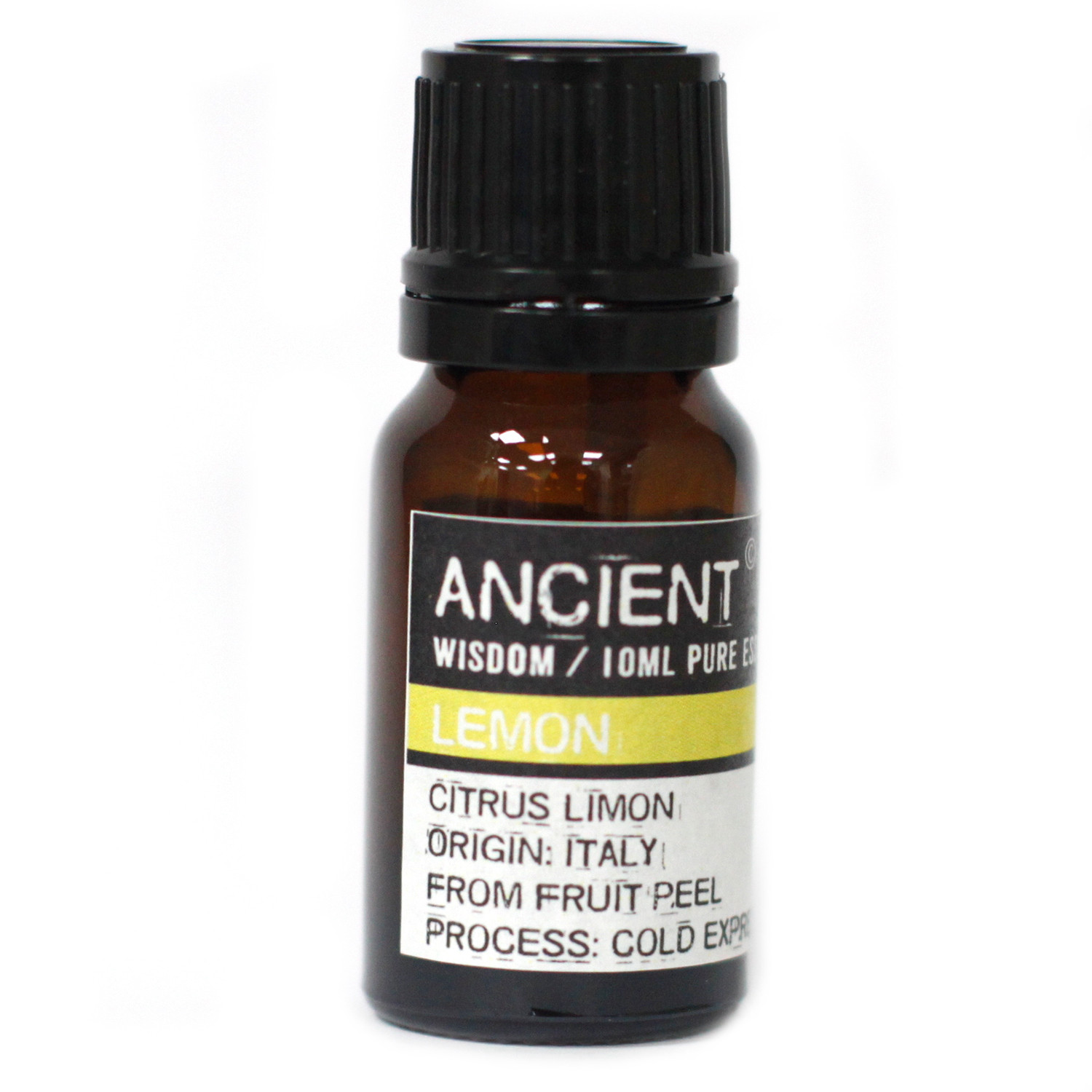
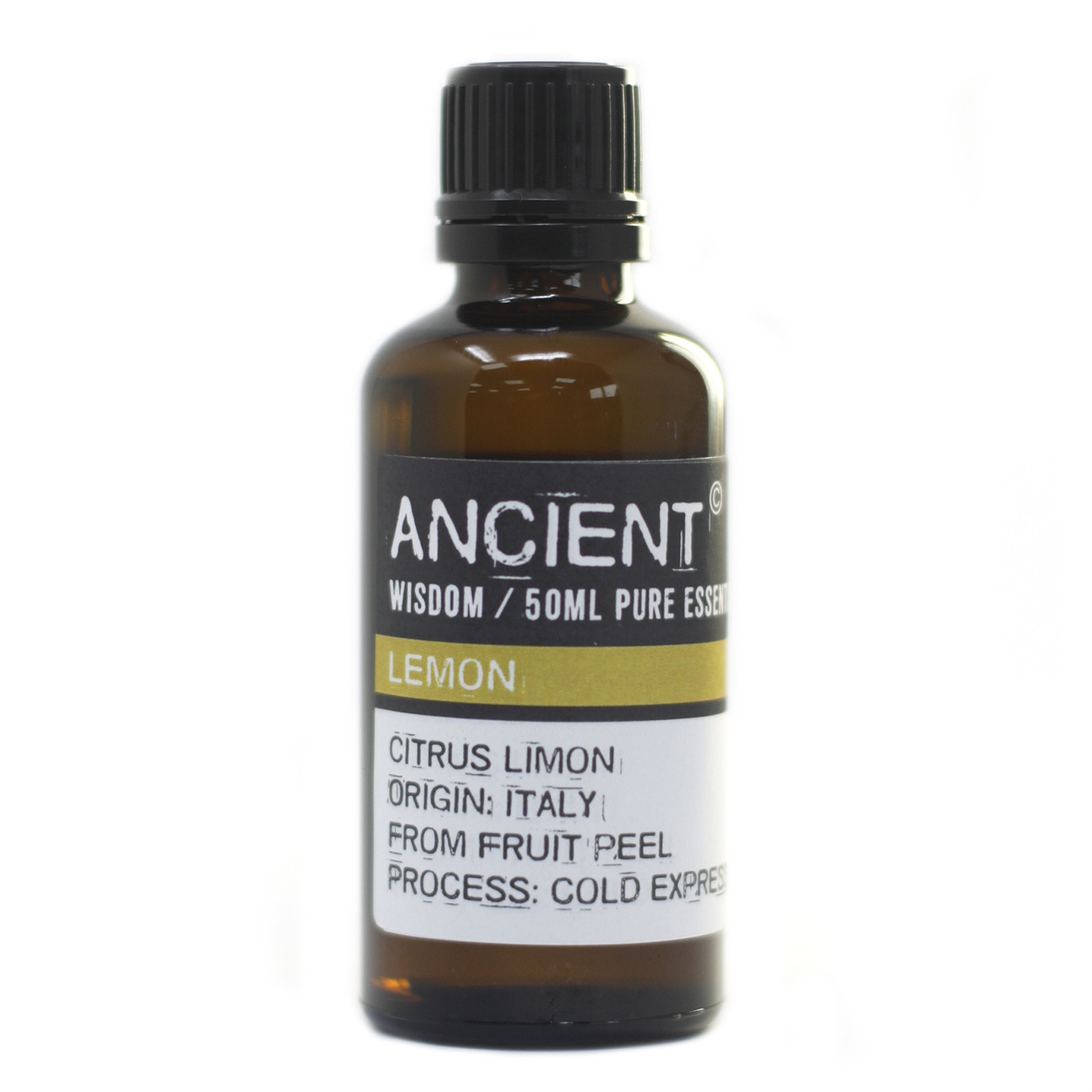
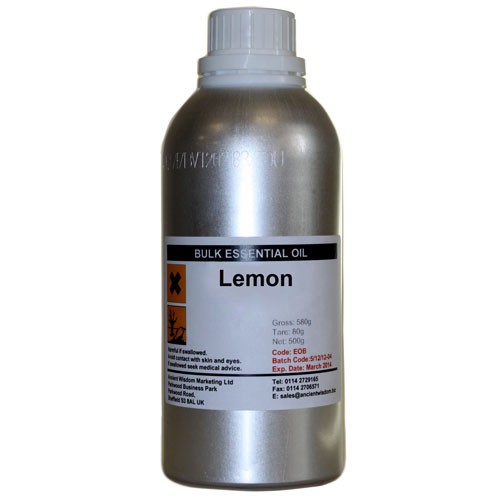
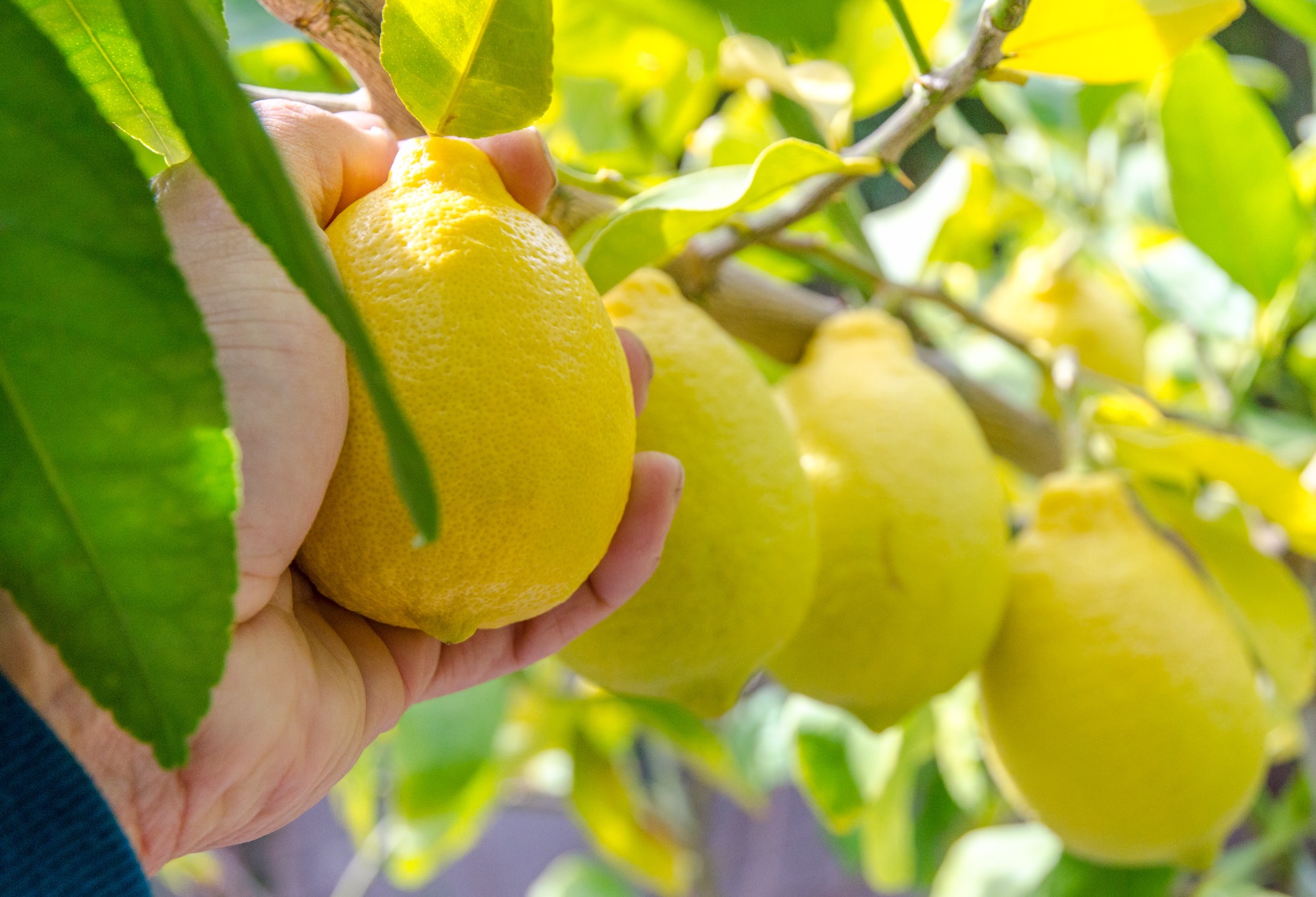
Lemon essential oil is a popular and versatile oil that has been used for centuries in aromatherapy. This oil is extracted from the peel of lemons and has a refreshing scent that uplifts the mood and promotes relaxation.
£3.75 – £23.95Price range: £3.75 through £23.95
Lemon Essential Oil for Aromatherapy
Zestful Aura: A Sunlit Journey of Clarity and Vibrancy
🍋 Mediterranean Radiance: Harvested from sun-dappled orchards, where the Mediterranean meets the sky, our Lemon Essential Oil is an elixir of nature’s exuberance. Each drop is a splash of sunshine, encapsulating the zest of freshly picked lemons.
💧 Luminous Essence: Dive into the invigorating symphony of Lemon’s crisp and tangy notes. With nuances of verdant groves and British summer gardens, it’s an aromatic breath of rejuvenation and purity.
✨ Cerebral Clarity: Lemon oil, with its bright and lively scent, sharpens focus, clears the mind, and elevates mood. It’s a beacon of positivity, driving away fatigue and inviting a fresh, clear perspective.
📜 Legacy of Purity: With roots deep in ancient remedies, Lemon has long been revered for its cleansing and purifying properties. Our oil, refined through meticulous distillation, honours this rich tapestry of history, delivering purity in its truest form.
🌍 Nature’s Commitment: With unwavering dedication to sustainable and ethical sourcing, our Lemon Essential Oil stands testament to nature’s bounty and our pledge to its conservation.
Usage Guidance: Integrate a few drops into your diffuser to brighten your space or blend with a carrier oil for a refreshing aromatic touch. As with all essential oils, adherence to dilution guidelines and a preliminary skin patch test is always wise.
Illuminate Your Senses. Embrace the Freshness and Vitality of Lemon’s Euphoric Embrace.
Latin Name: Citrus Limon
Part Of Plant Used: Fruit Peel
Source: Italy
Extraction Method: Cold Expression
| Weight | 0.04 kg |
|---|---|
| Size | 10ml, 50ml, 500ml |
You must be logged in to post a review.
Lemon essential oil is a popular and versatile oil that has been used for centuries in aromatherapy. This oil is extracted from the peel of lemons and has a refreshing scent that uplifts the mood and promotes relaxation. Lemon essential oil is also known for its antiseptic and antimicrobial properties, making it a popular choice for cleaning and disinfecting.
Understanding the benefits and uses of lemon essential oil is important for anyone interested in aromatherapy. This oil is rich in antioxidants and has been shown to have anti-inflammatory, antifungal, and antibacterial properties. Lemon essential oil can be used to improve mood, reduce stress and anxiety, and promote mental clarity. It can also be used topically to improve skin health and reduce the appearance of acne and blemishes.
Lemon essential oil is a popular essential oil that is commonly used for aromatherapy purposes. It is extracted from the fruit peel of the citrus limon plant through a process known as cold-pressing or steam distillation. The oil comprises various chemical compounds, including gamma-terpinene, b-pinene, a-pinene, and others, giving it its distinctive aroma and therapeutic properties.
One of the most important things to note about lemon essential oil is that it should be 100% pure to be effective. This means it should not contain synthetic additives or fillers, which can reduce its potency and effectiveness. When buying lemon essential oil, looking for a reputable supplier that provides high-quality, pure essential oils is essential.
Cold-pressed lemon essential oil is the most common type of lemon oil available. It is made by pricking and rotating the fruit peel, which releases the natural lemon oil. This process preserves the natural chemical composition of the oil, making it more potent and effective. Distilled lemon oil, on the other hand, is made using a steam distillation process that separates the oil from the water.
Lemon essential oil is versatile and can be used for a wide range of purposes. It has a refreshing scent that is both invigorating and calming. It is commonly used for its purifying and cleaning properties and ability to boost energy levels and ease digestion. In addition, lemon essential oil has powerful antioxidant properties that help reduce inflammation and fight bacteria and fungi.
Overall, lemon essential oil is a valuable addition to any aromatherapy collection. It is a potent and effective oil that can be used for a wide range of purposes. When used correctly, it can help improve overall health and well-being.
Lemon essential oil is produced by extracting the oil from the lemon peel through a process called cold-pressing. This process involves mechanically pressing the lemon peel to release the oil without using heat, which can damage the oil’s quality. Lemon essential oil has a fresh, citrusy aroma and is commonly used in aromatherapy to promote relaxation and reduce stress.
The production of lemon essential oil requires a large quantity of lemon peels. According to research, it takes approximately 1,500 lbs of lemons to produce just one pound of essential oil. This high mass-to-yield ratio makes the production of lemon essential oil a resource-intensive process.
Sustainability is an important consideration in the production of essential oils, including lemon essential oil. The surge in consumer demand for essential oils has put a strain on the sustainability of many botanicals used for their production. Small businesses, small and medium business brands, and artisans who produce essential oils must balance the economic benefits of producing essential oils with the need to protect the environment and promote social and economic equity.
One way to promote sustainability in the production of lemon essential oil is through sustainable agriculture. Sustainable agriculture integrates three main goals: environmental health, economic profitability, and social and economic equity. By adopting sustainable agriculture practices, lemon farmers can reduce their environmental impact, increase their economic profitability, and promote social and economic equity.
Several sustainability certification programs exist to help consumers identify products that meet certain sustainability standards. For example, the Compact by Design certification program recognises products that have been designed to reduce waste and promote sustainability.
In conclusion, the production of lemon essential oil requires a significant amount of resources, and sustainability is an important consideration in its production. Small businesses, small and medium business brands, and artisans who produce essential oils can promote sustainability through sustainable agriculture practices and certification programs such as Compact by Design.
Aromatherapy is a holistic practice that uses essential oils to promote physical and emotional well-being. Lemon essential oil is one of the most popular oils used in aromatherapy for its bright, uplifting, and energizing properties.
Research has shown that lemon essential oil has powerful mood-enhancing effects. It can help reduce feelings of anxiety and depression, improve mood, and promote relaxation. In fact, a study carried out on mice in 2006 found that lemon essential oil was a better stress reliever than lavender and rose oils.
Lemon essential oil is also refreshing and energizing, making it a great choice for those looking to boost their mood and productivity. It can help combat feelings of fatigue and increase mental clarity and focus.
For mood enhancement, lemon essential oil can be diffused in a diffuser or added to a carrier oil and applied topically to the skin. A few drops can also be added to a warm bath for a relaxing and rejuvenating experience.
Overall, lemon essential oil is a versatile and effective oil for aromatherapy and mood enhancement. Its bright, uplifting, and energizing properties make it popular for those looking to improve their emotional well-being and promote relaxation.
Lemon essential oil has been used in healthcare and remedies for centuries. Its antiseptic, antiviral, and antibacterial properties make it a popular choice for treating various medical issues.
Healthcare professionals often recommend lemon essential oil for treating sore throat and flu symptoms. The oil can be added to a diffuser or mixed with carrier oil for topical application. Lemon essential oil helps to reduce inflammation and pain, making it an effective remedy for sore throat and flu symptoms.
Lemon essential oil is also known for its pain-relieving properties. It can be used to alleviate headaches, muscle pain, and joint pain. The oil can be applied topically or added to a warm bath for a relaxing and therapeutic effect.
In addition to its pain-relieving properties, lemon essential oil is also effective in treating medical issues such as acne, eczema, and psoriasis. The oil can be added to a carrier oil and applied topically to affected areas. Its antibacterial properties help to reduce inflammation and prevent infections.
Overall, lemon essential oil is a versatile and effective remedy for various medical issues. It is important to note that while lemon essential oil is generally safe for topical and aromatherapy use, it should not be ingested without the supervision of a healthcare professional.
Lemon essential oil has become a popular ingredient in many skincare products and for good reason. Its antibacterial and antifungal properties make it an effective ingredient for treating acne and other skin conditions. It is also known to be absorbent, which means it can help remove excess oil from the skin, making it a great ingredient for those with oily skin.
However, it is important to remember that essential oils are highly concentrated and should be used with caution. When using lemon essential oil for skincare, it is recommended to dilute it with a carrier oil such as coconut or jojoba oil before applying it to the skin. This will help to reduce the risk of skin irritation or sensitivity.
It is also important to note that lemon essential oil is phototoxic, which means that it can cause skin irritation or burns when exposed to sunlight. It is recommended to avoid using lemon essential oil on the skin before going out in the sun or to use it only at night.
When using any essential oil for the first time, it is recommended to perform a patch test to check for any skin sensitivity or allergic reactions. To perform a patch test, simply dilute the essential oil with carrier oil and apply a small amount to the inside of the wrist or elbow. Wait 24 hours and check for any redness or irritation.
In addition, it is important to follow safety guidelines when using essential oils. Lemon essential oil should not be ingested and should be kept out of reach of children. It is also recommended to consult with a healthcare professional before using essential oils, especially if you are pregnant, breastfeeding, or have any medical conditions.
Overall, lemon essential oil can be a beneficial ingredient for skincare when used safely and properly. By diluting it with a carrier oil and avoiding sun exposure, you can enjoy the benefits of this versatile essential oil without risking skin irritation or sensitivity.
When using Lemon Essential Oil for Aromatherapy, it is important to dilute the oil before applying it to the skin. This is because undiluted essential oils can cause skin irritation or sensitivity. Diluting the oil also helps to ensure that the oil is absorbed into the skin properly.
To dilute Lemon Essential Oil, a carrier oil should be used. Carrier oils are used to dilute essential oils and help spread them over the skin. Some examples of carrier oils include jojoba oil, coconut oil, and sweet almond oil.
The recommended dilution ratio for Lemon Essential Oil is 2% or less. This means that for every 10ml of carrier oil, no more than 4 drops of Lemon Essential Oil should be added. It is important to note that some people may be more sensitive to essential oils than others, so it is always best to start with a lower dilution ratio and increase it gradually if needed.
Lemon Essential Oil can be used topically for a variety of purposes, such as in massage or as a part of a skincare routine. When using Lemon Essential Oil for massage, it should be diluted in carrier oil and applied to the skin in a gentle, circular motion.
It is important to avoid getting Lemon Essential Oil in the eyes or other sensitive areas of the body. If this happens, the affected area should be flushed with water immediately.
Overall, Lemon Essential Oil can be a great addition to an aromatherapy routine, but diluting it properly and using it safely to avoid any adverse reactions is important.
Lemon essential oil blends well with a variety of other essential oils, making it a versatile addition to any aromatherapy routine. Below are some of the essential oils that can be combined with lemon oil and their benefits:
Overall, lemon essential oil is versatile and can be combined with a wide range of other oils to create unique and effective blends. When blending oils, it is important to consider both their individual properties and how they will work together to achieve the desired effect.
Lemon essential oil is popular for cleaning and disinfecting surfaces due to its antiseptic properties. It has effectively killed bacteria and fungi, making it a great natural alternative to harsh chemical cleaners.
When mixed with water, lemon essential oil can be used as a surface cleaner to disinfect and purify countertops, sinks, and other surfaces. Adding a few drops of lemon essential oil to a spray bottle of white vinegar can also create a powerful cleaning solution that can tackle even tough stains and grime.
In addition to its cleaning properties, lemon essential oil has antioxidant and antifungal properties, making it a versatile addition to any cleaning routine. Its refreshing scent can also help to uplift and energize the mood while cleaning.
Overall, lemon essential oil is a great choice for those looking for a natural and effective way to clean and disinfect their home.
Lemon essential oil is generally safe for use in aromatherapy. However, taking some precautions and being aware of contraindications is important before using it.
Pregnant women should avoid using lemon essential oil during the first trimester. After the first trimester, it is generally safe to use it in moderation. However, it is best to consult a healthcare provider before using essential oils during pregnancy.
When diffusing lemon essential oil, it is important to use a high-quality diffuser and to follow the manufacturer’s instructions carefully. It is also important to use the oil in a well-ventilated area and avoid diffusing it for extended periods.
Lemon essential oil can be used internally in small amounts, but it should always be diluted in a carrier oil or another liquid before ingestion. It is important to use a high-quality, food-grade oil and to follow recommended dosages carefully.
Lemon essential oil should not be applied directly to corns or other skin conditions. Instead, it should be diluted in a carrier oil before application. It is also important to avoid using lemon oil on broken or irritated skin.
Some individuals may have a contraindication to using lemon essential oil. These may include:
It is important to consult with a healthcare provider before using lemon essential oil if you have any of these conditions or if you are taking any medications.
Proper storage and handling of Lemon Essential Oil are essential to maintain its quality and extend its shelf life. Lemon Essential Oil is a volatile substance that can easily degrade when exposed to heat, light, air, or moisture.
To ensure the longevity of the oil, it is recommended to store it in a cool, dark place, away from direct sunlight and heat sources. Airtight containers made of dark glass are the best option for storing essential oils, as they protect the oil from light and air exposure.
The shelf life of Lemon Essential Oil can vary depending on the quality and purity of the oil. Pure and natural Lemon Essential Oil can last up to two years or more if stored properly. However, if the oil is of low quality or has been adulterated, its shelf life may be significantly shorter.
It is important to note that Lemon Essential Oil may lose its potency and effectiveness as it ages. Over time, the oil may also develop a rancid smell or become cloudy, indicating that it is no longer suitable for use. If the oil has expired or has become contaminated, it should be disposed of properly.
In summary, Lemon Essential Oil should be stored in an airtight container made of dark glass in a cool, dark place, away from direct sunlight and heat sources. Pure and natural Lemon Essential Oil can last up to two years or more if stored properly. If the oil has expired or has become contaminated, it should be disposed of properly.


Reviews
There are no reviews yet.