

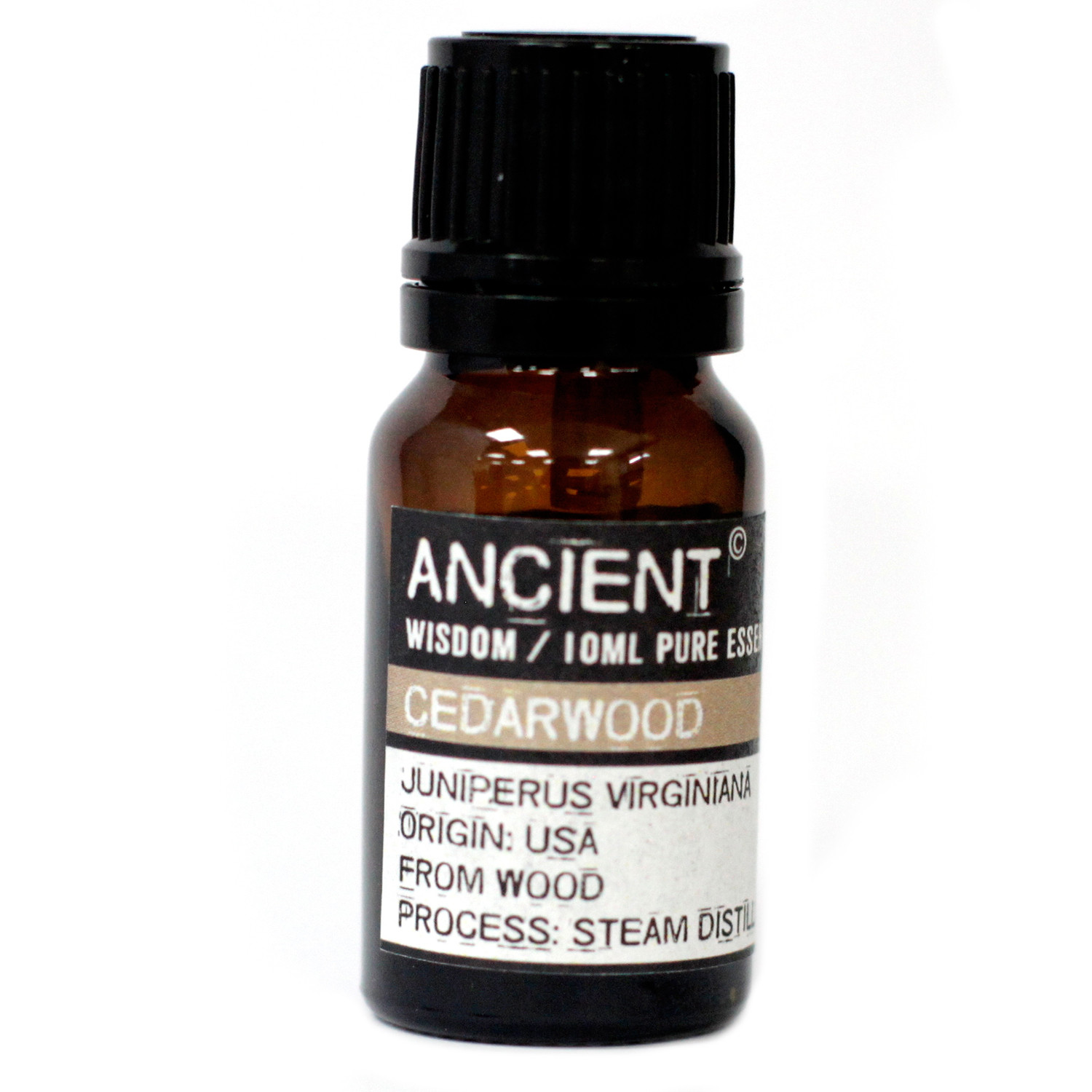
Cedarwood Essential Oil
Latin Name: Juniperus Virginiana
Part Of Plant Used: Wood
Source: USA
Extraction Method: Steam Distillation
£4.50 – £69.95Price range: £4.50 through £69.95
Cedarwood Essential Oil by The World of Aromatherapy
Ancient Trees, Timeless Tranquillity: The Majestic Aroma of Cedarwood Awaits
🌲 Forest’s Finest: Journey deep into the heart of age-old cedar forests, where history lingers in every bough and branch. From these sentinel trees, we’ve extracted the essence of serenity — our Cedarwood Essential Oil.
💧 Woody Whispers: Immerse yourself in Cedarwood’s rich, grounding aroma. Its warm, woody notes evoke tales of ancient forests, with an undertone of subtle sweetness that hints at nature’s mysteries.
✨ Nature’s Nurturer: Beyond its captivating scent, Cedarwood has long been cherished for its soothing properties. It’s a balm for the spirit, offering comfort, balance, and a gentle embrace for the mind’s wanderings.
📜 Crafted with Care: At The World of Aromatherapy, each vial of Cedarwood Oil is a testament to our dedication. Meticulously distilled, it captures the true essence of cedar, honouring the tree’s legacy and potency.
🌍 Sustainably Sourced: Rooted in respect for our planet, our Cedarwood Essential Oil is ethically harvested, ensuring the preservation of the majestic cedar groves for generations to come.
Usage Guidance: Introduce a few cherished drops to your diffuser for a moment of forest-inspired reflection or blend harmoniously with a carrier oil for a sensory escape. As always, we advocate for mindful dilution and a preliminary skin patch test.
Step into the Sacred Forest. Let The World of Aromatherapy’s Cedarwood Oil Enfold You in its Ageless Embrace.
Latin Name: Juniperus Virginiana
Part Of Plant Used: Wood
Source: USA
Extraction Method: Steam Distillation
| Weight | 0.04 kg |
|---|---|
| Size | 10ml, 50ml, 500ml |
You must be logged in to post a review.
Cedarwood essential oil has been used for centuries for its various benefits and uses. It is extracted from the needles, leaves, bark, and berries of cedar trees and has a woody, warm, and calming aroma. Cedarwood essential oil is known for its therapeutic properties and is commonly used in aromatherapy.
Cedarwood essential oil is available in different types, including Himalayan Cedarwood, Atlas Cedarwood, Texan Cedarwood, and Virginian Cedarwood. Each type has its unique chemical composition and benefits. Cedarwood essential oil is known for its antiseptic, anti-inflammatory, and antifungal properties, making it useful for treating various skin and respiratory issues. It is also used as an insect repellent and in commercial products such as perfumes, soaps, and cosmetics.
Cedarwood essential oil has been used for thousands of years for its medicinal and aromatic properties. It is believed that the ancient Egyptians used cedarwood oil in their embalming process, while the Sumerians used it in their religious ceremonies. The oil was also used in traditional medicine by various cultures around the world.
The cedar tree is the primary source of cedarwood essential oil. There are several species of cedar trees, including Cedrus atlantica (Atlas), Juniperus virginiana (Virginian), Cedrus deodara (Himalayan), and Juniperus ashei (Red Cedar). Each species produces a slightly different type of cedarwood oil.
The name “cedar” is believed to have originated from the Latin word “cedrus,” which means “immortality.” The family name for cedar trees, Deodar, is derived from Sanskrit and roughly translates to “timber of the gods.”
Cedarwood oil was first made around 6,000 years ago using cedar trees that grew in modern-day Lebanon. The cedarwood oil of the ancients, in particular the Sumerians and Egyptians, was derived from the Cedar of Lebanon, a true cedar native to the northern and western mountains of the Middle East.
The oil is extracted from the wood of the cedar tree through steam distillation. The wood is chipped into small pieces and then placed in a still with water. The steam that is produced carries the essential oil out of the wood and into a condenser, where it is cooled and collected.
Today, cedarwood essential oil is widely used in aromatherapy for its calming and relaxing properties. It is also used in skincare and haircare products for its antiseptic and anti-inflammatory properties. The oil has a warm, woody aroma that is often used in perfumes and other fragrances.
Cedarwood essential oil is extracted from the wood of the cedar tree, also known as Cedrus atlantica. The oil can be extracted via several techniques, including steam distillation and cold pressing.
Steam distillation is the most common method used to extract cedarwood essential oil. The process involves placing the cedarwood chips or shavings in a still and then injecting steam into the chamber. The steam causes the essential oil to evaporate and rise up through the still, where it is then collected and condensed into a liquid form.
This method is preferred because it produces a higher yield of essential oil and retains more of the oil’s natural fragrance and therapeutic properties.
Another method of extracting cedarwood essential oil is cold pressing. This method involves pressing the cedarwood chips or shavings to extract the oil. The oil is then filtered to remove any impurities.
While this method is less common, it is preferred by some because it produces a higher quality oil with a more natural fragrance.
Other techniques used to extract cedarwood oil include carbon dioxide distillation and solvent extraction. However, these methods are less common and not as widely used as steam distillation and cold pressing.
It is important to note that the quality of the cedarwood essential oil depends on the extraction method used and the quality of the cedarwood used in the process. High-quality cedarwood essential oil is typically extracted using steam distillation and is free from impurities.
Cedarwood essential oil is derived from different species of cedar trees, each with their unique characteristics and benefits. The most commonly used types of cedarwood essential oil are Virginian Cedarwood, Atlas Cedarwood, and Himalayan Cedarwood.
Virginian Cedarwood essential oil is extracted from the Juniperus virginiana tree, also known as the Eastern Red Cedar. This type of cedarwood oil has a warm, woody, and slightly sweet aroma. It is commonly used for its calming and grounding properties, making it an excellent choice for aromatherapy. Virginian Cedarwood oil is also known for its antifungal and antiseptic properties, making it useful in treating skin conditions such as acne and eczema.
Atlas Cedarwood essential oil is derived from the Cedrus atlantica tree, which is native to the Atlas Mountains of Morocco. This type of cedarwood oil has a rich, woody aroma with a hint of sweetness. It is commonly used for its calming and soothing properties, making it an excellent choice for aromatherapy. Atlas Cedarwood oil is also known for its antiseptic and anti-inflammatory properties, making it useful in treating respiratory problems and skin conditions such as psoriasis.
Himalayan Cedarwood essential oil is extracted from the Cedrus deodara tree, which is native to the Himalayan Mountains. This type of cedarwood oil has a warm, woody aroma with a slightly sweet and spicy undertone. It is commonly used for its calming and grounding properties, making it an excellent choice for aromatherapy. Himalayan Cedarwood oil is also known for its antifungal and antiseptic properties, making it useful in treating skin conditions such as dandruff and fungal infections.
Cedrine is a natural compound found in cedarwood essential oil. It has a woody, slightly sweet aroma and is known for its calming and soothing properties. Cedrine is commonly used in aromatherapy to promote relaxation and reduce stress and anxiety.
In conclusion, cedarwood essential oil is available in different types, each with its unique characteristics and benefits. Choosing the right type of cedarwood oil depends on the desired aroma and therapeutic properties. It is essential to choose high-quality cedarwood essential oil from a reputable source to ensure maximum benefits.
Cedarwood essential oil is a versatile oil that has been used for centuries for its various benefits. It is derived from the wood of the Cedar tree and has a warm, woody aroma that is both calming and grounding. Cedarwood essential oil is a popular choice for aromatherapy treatments, massage, and bath products due to its many benefits.
Cedarwood essential oil has a range of benefits that make it a popular choice for aromatherapy and massage. It is known for its calming and relaxing properties, making it a great choice for reducing tension and promoting relaxation. Cedarwood essential oil is also believed to have antiseptic, anti-inflammatory, and antifungal properties, making it useful for treating a range of skin conditions, including acne and eczema.
In addition to its skin benefits, Cedarwood essential oil is believed to be helpful for reducing stress and anxiety, improving focus and concentration, and promoting better sleep. It is also thought to have natural insecticidal properties, making it a useful addition to natural insect repellents.
Cedarwood essential oil can be used in a variety of ways to enjoy its benefits. It can be added to massage oil to promote relaxation and reduce tension, or added to bath products for a calming and grounding experience. Cedarwood essential oil can also be used in a diffuser to create a relaxing and calming atmosphere in the home or workplace.
Cedarwood essential oil can also be added to skincare products, such as moisturisers and creams, to help soothe and heal skin conditions such as acne and eczema. It can also be added to hair products to promote healthy hair growth and reduce dandruff.
Overall, Cedarwood essential oil is a versatile oil that has a range of benefits and uses. Whether used in aromatherapy treatments, massage, or skincare products, Cedarwood essential oil is a great choice for promoting relaxation, reducing tension, and improving overall mood and wellbeing.
Cedarwood essential oil is a popular choice in aromatherapy due to its calming and grounding properties. It is known to promote relaxation and help soothe the mind and body. The oil is extracted from the bark, needles, and berries of cedar trees, and it has a warm, woody scent that is both comforting and invigorating.
In aromatherapy, cedarwood essential oil is often used to promote a sense of calm and relaxation. It is believed to have a sedative effect on the nervous system, which can help reduce stress and anxiety. The oil is also said to have a balancing effect on the Yin and Shen energies, which are believed to be responsible for emotional and mental wellbeing.
Cedarwood essential oil can be used in a variety of ways in aromatherapy. It can be diffused in a room to create a calming atmosphere, added to a bath to promote relaxation, or used in a massage oil to help soothe tired muscles. The oil can also be applied topically to the skin, but it should always be diluted with a carrier oil first.
When used in aromatherapy, cedarwood essential oil can help promote restful sleep and alleviate occasional insomnia. Its sedative qualities make it beneficial for those who struggle with anxiety or stress-related sleep disturbances. The oil can also be used to help calm the mind and reduce feelings of tension and nervousness.
Overall, cedarwood essential oil is a versatile and effective oil for use in aromatherapy. Its calming and grounding properties make it a popular choice for those seeking relaxation and stress relief. However, it is important to use the oil safely and always dilute it properly before use.
Cedarwood essential oil is a popular choice for aromatherapy due to its soothing properties. It has been used for centuries to treat various skin and hair conditions. Here are some of the benefits of using cedarwood essential oil for skin and hair:
Cedarwood essential oil has antifungal and antibacterial properties that make it effective in treating acne and pimples. It can also help reduce the appearance of scars and minor wounds. When applied topically, cedarwood essential oil can help soothe and calm irritated skin.
Cedarwood essential oil is known for its ability to promote hair growth and prevent hair loss. It can help improve blood circulation to the scalp, which in turn promotes healthy hair growth. Cedarwood essential oil is also effective in treating dandruff and other scalp conditions.
Alopecia areata is an autoimmune disorder that causes hair loss. Cedarwood essential oil has been found to be effective in treating this condition. When applied topically to the scalp, cedarwood essential oil can help stimulate hair growth and reduce the severity of hair loss.
Cedarwood essential oil is a natural alternative to traditional acne treatments. It can help reduce inflammation and redness associated with acne. When applied topically, cedarwood essential oil can help unclog pores and prevent future breakouts.
In summary, cedarwood essential oil has numerous benefits for both skin and hair. Its antifungal, antibacterial, and anti-inflammatory properties make it effective in treating various skin and hair conditions. When used correctly, cedarwood essential oil can be a valuable addition to any aromatherapy routine.
Cedarwood essential oil has been used for centuries to alleviate respiratory issues such as congestion and coughs. Its soothing and anti-inflammatory properties make it an effective natural remedy for respiratory ailments.
When inhaled, cedarwood essential oil can help to clear the airways and reduce inflammation in the respiratory system. It can also help to relieve coughs by reducing irritation in the throat and lungs.
To use cedarwood essential oil for respiratory issues, it can be added to a diffuser or vaporizer and inhaled. It can also be added to a carrier oil such as coconut oil and massaged onto the chest and throat area for added relief.
It is important to note that cedarwood essential oil should not be ingested and should be used with caution in individuals with asthma or other respiratory conditions. It is always recommended to consult with a healthcare professional before using any essential oils for medicinal purposes.
Overall, cedarwood essential oil can be a useful tool in managing respiratory issues and promoting overall respiratory health.
Cedarwood Essential Oil is a versatile oil that blends well with many other essential oils. When blended with other oils, it can create a custom scent that can be used for a variety of purposes. Here are some oils that blend well with Cedarwood Essential Oil:
It is important to note that when blending essential oils, it is recommended to use a carrier oil to dilute the oils before use. This can help prevent skin irritation and ensure safe use. Additionally, it is important to use only high-quality essential oils to ensure the best results.
Cedarwood essential oil has been used for centuries as a natural insect repellent due to its insecticidal properties. The oil is extracted from the wood of the Cedar tree and has a warm, woody aroma that is pleasing to humans but repels insects.
One of the main benefits of cedarwood essential oil is that it repels a wide range of insects, including ants, moths, ticks, and fleas. This makes it an ideal natural alternative to chemical insect repellents that can be harmful to humans and the environment.
When using cedarwood essential oil as an insect repellent, it is important to dilute the oil with a carrier oil such as coconut or olive oil to avoid skin irritation. A few drops of cedarwood essential oil can be added to a carrier oil and applied to the skin or clothing to repel insects.
In addition to its insect-repelling properties, cedarwood essential oil also has antifungal and antibacterial properties, making it an effective natural remedy for skin infections and other fungal conditions.
Overall, cedarwood essential oil is a safe and natural alternative to chemical insect repellents, making it an excellent choice for those looking to avoid harmful chemicals while still keeping insects at bay.
Cedarwood essential oil is generally safe to use, but it is important to follow safety precautions to avoid any adverse reactions. Here are some safety guidelines for using cedarwood essential oil:
Cedarwood essential oil should always be diluted with a carrier oil before applying it to the skin. Undiluted cedarwood oil can cause skin irritation, redness, and itching. The recommended dilution ratio is 1-2 drops of cedarwood oil per tablespoon of carrier oil.
Cedarwood essential oil should not be applied near or around the eyes. If the oil accidentally comes into contact with the eyes, it can cause irritation, redness, and discomfort. If this happens, flush the eyes with plenty of water and seek medical attention if necessary.
Cedarwood essential oil should be kept out of reach of children. Ingesting the oil can cause serious health problems, such as vomiting, nausea, and respiratory distress. If a child accidentally ingests cedarwood oil, seek medical attention immediately.
Pregnant women should use cedarwood essential oil with caution. While there is no evidence that cedarwood oil is harmful during pregnancy, it is always best to consult with a healthcare professional before using any essential oils during pregnancy.
Cedarwood essential oil should be stored in a cool, dark place away from direct sunlight. Exposure to heat and light can cause the oil to deteriorate and lose its potency.
By following these safety precautions, you can enjoy the benefits of cedarwood essential oil without any adverse effects.
Cedarwood essential oil is a popular ingredient in many commercial products, including shampoos, conditioners, colognes, and deodorants. Its woody, warm, and earthy aroma makes it an ideal choice for these products, and it also has several beneficial properties that make it a favourite among manufacturers.
Cedarwood essential oil is known for its ability to soothe an itchy scalp and reduce dandruff. It is also believed to help stimulate hair growth, making it a popular ingredient in hair care products. Many shampoos and conditioners contain cedarwood oil, and some even combine it with other essential oils like lavender and rosemary for added benefits.
Cedarwood essential oil is a common ingredient in men’s colognes due to its warm and masculine scent. It is often combined with other essential oils like bergamot and sandalwood to create a unique and appealing fragrance. Cedarwood oil is also believed to have a calming effect on the mind and body, making it a popular choice for aromatherapy products.
Cedarwood essential oil is a natural deodorizer, making it a popular ingredient in natural deodorants. It has antibacterial properties that help eliminate odour-causing bacteria and also has a pleasant scent that can help mask body odour. Cedarwood oil is often combined with other essential oils like tea tree and lavender to create a more effective deodorant.
Overall, cedarwood essential oil is a versatile and beneficial ingredient in many commercial products. Its pleasant scent and therapeutic properties make it a popular choice for manufacturers and consumers alike.
Cedarwood essential oil is derived from the wood, needles, leaves, bark, and berries of cedar trees. The oil has a warm, woody aroma and is commonly used in aromatherapy. Cedarwood oil contains several chemical components that contribute to its therapeutic properties.
Cedarwood oil contains cedrol, a sesquiterpene alcohol that has antifungal and anti-inflammatory properties. It also contains thujopsene, a sesquiterpene that has antiseptic and antispasmodic properties. Other chemical components found in cedarwood oil include alpha-cedrene, beta-cedrene, and widdrol.
The antiseptic properties of cedarwood oil make it useful for treating minor wounds, cuts, and insect bites. It can also be used as an astringent to help tighten and tone the skin. Cedarwood oil’s antispasmodic properties make it useful for relieving muscle spasms and cramps.
Cedarwood oil is also a diuretic, meaning it can help increase urine production and promote detoxification. This property makes it useful for treating urinary tract infections and kidney problems.
Overall, cedarwood essential oil has a range of therapeutic properties that make it a popular choice for aromatherapy. Its chemical components contribute to its antifungal, anti-inflammatory, antiseptic, antispasmodic, astringent, and diuretic properties.
Cedarwood essential oil has been used in traditional medicine for centuries. It is believed to have various health benefits, including antiseptic, anti-inflammatory, and antispasmodic properties. Here are some examples of how Cedarwood essential oil has been used in traditional medicine:
Overall, Cedarwood essential oil has a long history of use in traditional medicine. While more research is needed to fully understand its health benefits, it is generally considered safe for use when used properly.


Reviews
There are no reviews yet.