


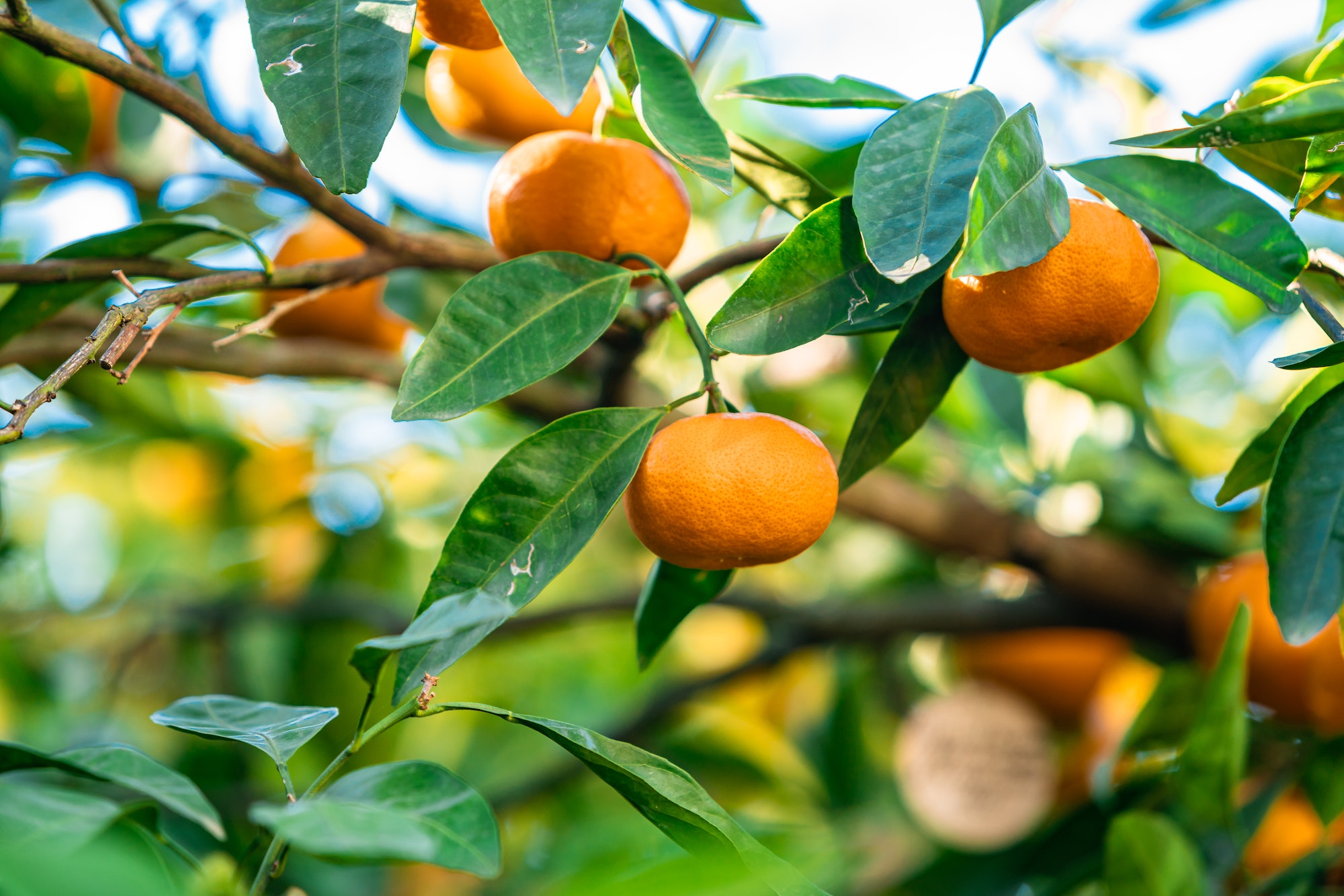
Immerse yourself in the sweet, tangy embrace of our Mandarin Essential Oil, a sun-drenched ode to nature’s citrus wonders.
£3.50 – £65.00Price range: £3.50 through £65.00
The World of Aromatherapy’s Mandarin Essential Oil
🍊 Immerse yourself in the sweet, tangy embrace of our Mandarin Essential Oil, a sun-drenched ode to nature’s citrus wonders.
🌳 Extracted from the finest mandarin orchards, this oil unveils an aromatic tapestry woven with notes of joyous warmth and delicate sweetness.
💆♂️ Within aromatherapy’s treasure trove, Mandarin Essential Oil stands out for its gentle uplifting properties, making it a perfect companion to melt away stress, elevate mood, and infuse moments with a childlike sense of wonder.
🌍 Housed in our commitment to sustainability, each bottle not only promises nature’s undiluted essence but also our dedication to preserving the world’s aromatic treasures.
🌟 Let our Mandarin Essential Oil be a fragrant reminder of life’s simple pleasures, a sensory journey through orchards painted with golden sunbeams.
Latin Name : Citrus Nobilis.
Part Of Plant Used : Fruit Peel.
Source : Italy/Argentina
Extraction Method : Cold Expression.
| Weight | 0.04 kg |
|---|---|
| Size | 10ml, 50ml, 500ml |
You must be logged in to post a review.

Mandarin essential oil is a popular essential oil in the world of aromatherapy. It is derived from the mandarin fruit, which is a citrus fruit native to China. Mandarin essential oil has a sweet, citrusy aroma that is loved by many, and it is highly valued for its therapeutic properties.
Understanding Mandarin Essential Oil is essential to appreciate its benefits fully. The oil is extracted from the peel of the mandarin fruit through a cold-pressed process. Mandarin essential oil has a thin consistency and a greenish-orange color. It is rich in limonene, gamma-terpinene, alpha-pinene, beta-pinene, and beta-myrecene, which are the key components responsible for its therapeutic properties.
Mandarin essential oil has been used for centuries in traditional Chinese medicine to treat a variety of ailments. It is known to have a calming effect on the nervous system, making it an excellent choice for relieving tension, anxiety, and stress-related conditions. Mandarin essential oil is also known for its skin benefits, making it a popular ingredient in many skincare products.
Mandarin essential oil is a popular essential oil used in aromatherapy. It is extracted from the mandarin orange fruit, which belongs to the Rutaceae family. The citrus reticulata species is the most commonly used for mandarin essential oil production, although hybrids of this species are also used.
Mandarin essential oil has a sweet, citrusy aroma that is uplifting and refreshing. It is often used in aromatherapy to help reduce stress and anxiety, promote relaxation, and improve mood. In addition, it is known for its many benefits for the skin.
Mandarin essential oil is typically yellow to orange in colour and has a thin consistency. It is extracted from the peel of the mandarin orange fruit using a cold-pressing method.
Mandarin essential oil is composed of various chemical compounds, including limonene, gamma-terpinene, and sabinene. These compounds are responsible for the many therapeutic benefits of mandarin essential oil.
Mandarin essential oil has a wide range of benefits for the mind and body. It is often used in aromatherapy to help reduce stress and anxiety, promote relaxation, and improve mood. It is also known for its many benefits for the skin. Some of the benefits of mandarin essential oil include:
Mandarin essential oil can be used in a variety of ways, including:
Overall, mandarin essential oil is a versatile and popular essential oil that has many benefits for the mind and body. It is a great addition to any aromatherapy or skincare routine.
The history of essential oils is inseparably linked to the evolution of medicine, evidenced through references found in ancient medicinal texts, treatises, artwork, imagery, and artefacts left by civilizations living over 5,000 years ago. Essential oils have been used for their therapeutic properties for centuries, and their use is documented in many cultures around the world.
In China, essential oils have been used for medicinal purposes for over 2,000 years. Traditional Chinese Medicine (TCM) has long recognized the therapeutic benefits of essential oils, and they are still widely used in TCM today. Essential oils are believed to help balance the body’s energy, or qi, and promote healing.
In Europe, essential oils were first used by the Greeks and Romans, who used them for their medicinal properties and in perfumes. The use of essential oils spread throughout Europe during the Middle Ages, and they were used to treat a wide range of ailments, from headaches to the plague.
In England, essential oils were used during the 16th and 17th centuries, and they were particularly popular during the reign of Queen Elizabeth I. Essential oils were used in perfumes, cosmetics, and for medicinal purposes.
Sicily is known for producing high-quality citrus essential oils, including mandarin essential oil. Sicilian mandarin essential oil is highly prized by aromatherapists for its excellent aroma and therapeutic benefits.
In France, essential oils were popularized in the 20th century by French chemist René-Maurice Gattefossé. Gattefossé is credited with coining the term “aromatherapy” and is considered the father of modern aromatherapy.
Today, essential oils are widely used in aromatherapy, massage therapy, and other holistic health practices. The therapeutic benefits of essential oils are supported by scientific research, and many essential oils, including mandarin essential oil, are now recognized for their stress-relieving, mood-enhancing, and immune-boosting properties.
Mandarin essential oil is extracted from the peel of the fruit using various methods. The most common methods include cold pressing and distillation.
Cold pressed extraction is a method of extracting essential oils from citrus fruits without the use of heat. In this method, the peel of the fruit is mechanically pressed to extract the oil. Cold pressed extraction is a popular method for extracting Mandarin essential oil because it yields a high-quality oil with a fresh and fruity aroma.
Distillation is another method of extracting essential oils from Mandarin peels. In this method, the peels are first soaked in water to release the essential oils. The resulting mixture is then heated, and the essential oils are collected as they evaporate. Distillation is a popular method for extracting essential oils because it can be used with a variety of plant materials.
It is important to note that the quality of the essential oil can be affected by the extraction method used. Cold pressed extraction is generally considered to produce a higher quality oil, while distillation can result in a more diluted oil.
In addition to these methods, there are other extraction methods that can be used to extract Mandarin essential oil, such as enfleurage and solvent extraction. However, these methods are less commonly used and may not produce as high quality oil as cold pressing or distillation.
Overall, the extraction process for Mandarin essential oil involves carefully extracting the oil from the peel of the fruit using a variety of methods. The resulting oil is a highly aromatic and versatile oil that is used in a variety of applications, including aromatherapy, perfumery, and skincare.
Mandarin Essential Oil is extracted from the citrus rind (peel) of the Mandarin fruit using the cold-pressed method. The oil has a sweet, citrusy aroma that is bright and uplifting. Its fragrance is known to be one of the mildest among citrus oils, making it a popular choice in aromatherapy.
The oil’s initial aroma is medium in strength, with a top note perfumery rating. Its major constituent is Limonene, which is responsible for its fresh, lively scent. Mandarin Essential Oil has a thin consistency and a greenish-orange colour.
Aromatherapists often use Mandarin Essential Oil to create a positive and uplifting atmosphere. Its aroma can brighten a room and promote a sense of calm and relaxation. The oil’s mild and gentle fragrance makes it an excellent choice for children and those with sensitive skin.
In addition to its aromatic properties, Mandarin Essential Oil has therapeutic benefits. The oil is known for its calming and sedative effects, making it useful for relieving stress, anxiety, and tension. Mandarin Essential Oil can also help improve the texture and tone of the skin, making it a popular ingredient in skincare products.
Overall, Mandarin Essential Oil is a versatile oil with a pleasant aroma and numerous therapeutic benefits. Its uplifting and positive fragrance makes it an excellent choice for creating a relaxing and calming atmosphere.
Mandarin essential oil is extracted from the rind of the mandarin fruit. It is rich in terpenes and other compounds that give it its characteristic aroma and therapeutic properties. Here are some of the key components of mandarin essential oil:
Overall, mandarin essential oil is a complex mixture of compounds that work together to produce its characteristic aroma and therapeutic effects. Its high limonene content makes it particularly useful for treating inflammation and other health conditions.
Mandarin essential oil is known for its various therapeutic properties that make it a popular choice in aromatherapy. The oil is extracted from the fruit peel of the mandarin orange using cold compression. Here are some of the therapeutic properties of mandarin essential oil:
Mandarin essential oil is also known for its ability to improve digestion, relieve nausea, and reduce the appearance of scars and stretch marks. It is safe for use on the skin when diluted with a carrier oil, and can also be used in diffusers or added to bathwater for a relaxing soak.
Mandarin essential oil is a popular choice among aromatherapists because of its calming and relaxing properties. It is known to relieve tension, anxiety, and stress-related conditions. The oil is extracted from the rind of the mandarin fruit and has a sweet, citrusy aroma.
Mandarin essential oil can be diffused in the air to create a relaxing atmosphere. It is believed to have a calming effect on the mind and can help to reduce stress and anxiety. To diffuse mandarin essential oil, add a few drops to a diffuser with water and let it run for 30-60 minutes.
Mandarin essential oil can be added to a warm bath to promote relaxation and relieve stress. It is also believed to have a positive effect on the skin. To use mandarin essential oil in a bath, add 5-10 drops to a tub of warm water and soak for 20-30 minutes.
Mandarin essential oil can be added to a carrier oil, such as sweet almond oil, and used for massage. It is believed to have a calming effect on the mind and body and can help to relieve tension and stress. To use mandarin essential oil for massage, add 5-10 drops to 1 tablespoon of carrier oil and massage into the skin.
Mandarin essential oil is known to have a positive effect on the mind. It is believed to promote relaxation, reduce stress and anxiety, and improve mood. It can be diffused in the air, added to a bath, or used for massage to promote relaxation and relieve stress.
Mandarin essential oil is a popular choice for promoting relaxation. It is believed to have a calming effect on the mind and body and can help to reduce stress and anxiety. It can be diffused in the air, added to a bath, or used for massage to promote relaxation.
Mandarin essential oil is known to have a positive effect on stress-related conditions. It is believed to promote relaxation, reduce anxiety, and improve mood. It can be diffused in the air, added to a bath, or used for massage to help relieve stress.
Mandarin essential oil is believed to have a calming effect on the mind and body, which can help to promote sleep. It can be diffused in the air, added to a bath, or used for massage to promote relaxation and relieve stress, which can help to improve sleep. However, it is important to note that essential oils should not be used as a substitute for medical treatment for sleep disorders.
Mandarin essential oil has a range of benefits for the skin. It is gentle and soothing, making it an ideal choice for those with sensitive skin. It is also effective at treating a variety of skin conditions, including acne, scars, stretch marks, spots, and oily skin.
One of the key benefits of mandarin essential oil is its ability to brighten the skin. It contains natural compounds that help to reduce the appearance of dark spots and blemishes, leaving the skin looking more even and radiant.
Mandarin essential oil is also effective at treating acne. Its antibacterial and antifungal properties help to prevent the growth of bacteria on the skin, reducing the risk of breakouts. It is also gentle enough to use on irritated or inflamed skin, making it a great choice for those with acne-prone skin.
In addition to its acne-fighting properties, mandarin essential oil is also effective at reducing the appearance of scars and stretch marks. Its regenerative properties help to promote the growth of new skin cells, reducing the appearance of scars and stretch marks over time.
Overall, mandarin essential oil is a gentle and effective choice for those looking to improve the appearance and health of their skin. Its natural properties make it a great alternative to harsh chemical treatments, and its effectiveness at treating a range of skin conditions makes it a versatile addition to any skincare routine.
Mandarin essential oil has a wide range of potential health benefits that make it a popular choice in aromatherapy. Here are some of the key benefits:
Mandarin essential oil can help to promote healthy digestion. It has been shown to stimulate the production of digestive juices, which can help to break down food more effectively. This can be particularly helpful for people who suffer from digestive issues like bloating, constipation, or indigestion.
Mandarin essential oil has natural analgesic properties, which means it can help to relieve pain. It can be particularly effective for people who suffer from joint pain, arthritis, or rheumatism. Simply massaging the oil into the affected area can help to reduce inflammation and relieve pain.
Mandarin essential oil can help to improve blood circulation throughout the body. This can be particularly helpful for people who suffer from poor circulation, as it can help to bring more oxygen and nutrients to the cells. Improved circulation can also help to reduce the risk of cardiovascular disease.
Mandarin essential oil has natural anti-nausea properties, which means it can help to relieve feelings of nausea and vomiting. It can be particularly helpful for people who suffer from motion sickness or morning sickness during pregnancy.
While more research is needed, some studies have suggested that mandarin essential oil may have anti-cancer properties. It contains compounds called limonoids, which have been shown to have anti-cancer effects in some studies. However, more research is needed to confirm these findings.
Overall, mandarin essential oil is a versatile and beneficial oil that can be used for a wide range of purposes. Whether you are looking to improve your digestion, relieve pain, or reduce feelings of nausea, mandarin essential oil may be able to help.
Mandarin Essential Oil is generally considered safe for use, but it is important to follow some safety precautions to avoid any adverse effects. Here are some safety guidelines to keep in mind when using Mandarin Essential Oil:
In summary, Mandarin Essential Oil is a safe and versatile oil that can be used for a variety of purposes. However, it is important to follow the safety guidelines outlined above to avoid any adverse effects. If you have any concerns or questions about using Mandarin Essential Oil, consult with a qualified aromatherapist or healthcare professional.
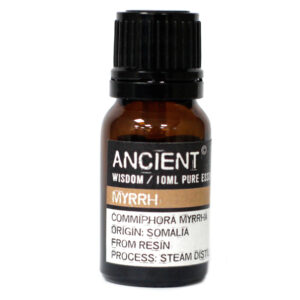
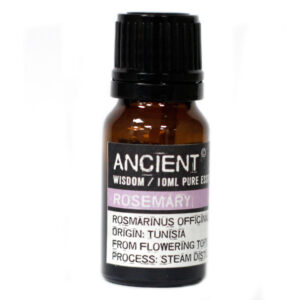
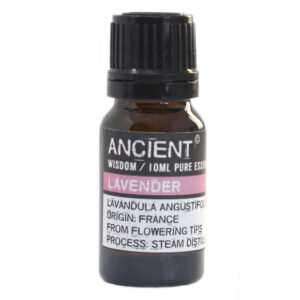
Mandarin essential oil is a versatile oil that blends well with many other essential oils. When blending oils, it is important to consider the properties and aroma of each oil to achieve the desired effect. Here are some oils that blend well with Mandarin essential oil:
When blending essential oils, it is important to use a carrier oil to dilute the oils and prevent skin irritation. Some carrier oils that work well with Mandarin essential oil include sweet almond oil, jojoba oil, and coconut oil.
It is important to note that essential oils are highly concentrated and should be used with caution. Always do a patch test before applying any blend to the skin and follow proper safety guidelines.
Mandarin Essential Oil is a gentle and calming oil that can be used safely with children. It has a sweet and citrusy aroma that is pleasing to most children. Here are some ways to use Mandarin Essential Oil with children:
It is important to note that Mandarin Essential Oil should not be used on children under six months of age. Always dilute the oil before using it on your child’s skin and perform a patch test first to check for any allergic reactions.
In conclusion, Mandarin Essential Oil can be a helpful tool for parents looking to create a calm and relaxing environment for their children. With its gentle and soothing properties, it can be used safely with children to promote relaxation and sleep.
Mandarin Essential Oil has been used in Traditional Chinese Medicine for centuries due to its therapeutic benefits. In TCM, it is believed that Mandarin oil helps regulate the flow of Qi (life force energy) throughout the body, which can alleviate a variety of physical and mental ailments.
Mandarin oil is commonly used in TCM to treat disorders related to the central nervous system, such as anxiety, depression, and insomnia. It is believed that the oil’s calming and sedative properties help to soothe the mind and promote relaxation. Additionally, Mandarin oil is used to treat digestive disorders such as bloating and constipation, as well as respiratory issues such as coughs and colds.
In TCM, Mandarin oil is typically administered through inhalation or massage. When used in massage, it is often combined with other essential oils such as lavender or bergamot to enhance its therapeutic benefits. Mandarin oil can also be used in aromatherapy diffusers or added to bathwater for a relaxing soak.
While there is limited scientific research on the efficacy of Mandarin oil in TCM, anecdotal evidence suggests that it can be a useful tool for promoting overall health and well-being. However, it is important to note that Mandarin oil should not be used as a substitute for conventional medical treatment, and individuals should always consult with a qualified healthcare practitioner before using any essential oils.


Reviews
There are no reviews yet.