

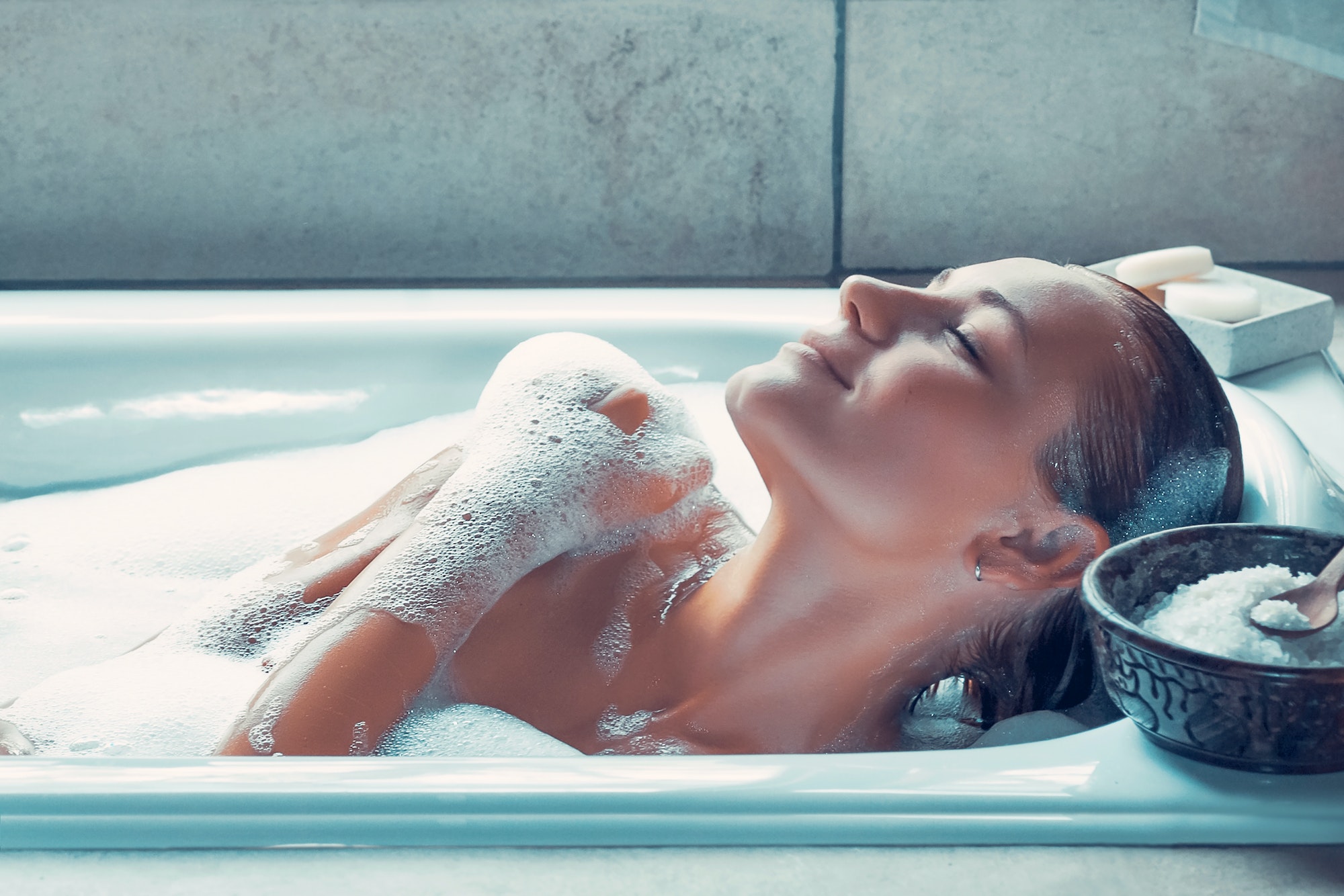
Aromatherapy is a holistic practice that harnesses the power of essential oils to promote physical, mental, and emotional well-being. By inhaling or applying these concentrated plant extracts, individuals can experience a range of therapeutic benefits. Let’s explore the introduction to aromatherapy and the benefits of aromatherapy essential oils.
Aromatherapy is an ancient practice that has been used for centuries to enhance relaxation, improve mood, and support overall health. It involves the use of essential oils extracted from various parts of plants, such as flowers, leaves, bark, and roots. These oils capture the natural aromatic compounds of the plants and can be used in a variety of ways, including inhalation, topical application, and even ingestion (under professional guidance).
When inhaled, the scent molecules of essential oils stimulate the olfactory system, which is directly connected to the brain’s limbic system. This area of the brain is responsible for emotions, memory, and mood regulation. As a result, certain essential oils can evoke specific emotional responses and promote relaxation, upliftment, or focus.
Aromatherapy essential oils offer a wide range of benefits that can positively impact various aspects of our lives. Here are some of the key benefits associated with the use of essential oils:
It’s important to note that the effectiveness and safety of essential oils can vary depending on the individual and the specific oil used. Some oils may have contraindications or require dilution before use. It’s advisable to consult a qualified aromatherapist or healthcare professional for personalized guidance.
By incorporating the right essential oils into your daily routine, you can unlock aromatherapy’s power and experience its numerous benefits. Whether you’re seeking relief from headaches, looking to promote hair growth, or aiming to alleviate anxiety, there are essential oils for various needs. Check out our articles on essential oils for headaches, essential oils for hair growth, essential oils for sleep, essential oils for anxiety, essential oils for allergies, essential oils for inflammation, essential oils for cleaning, essential oils for energy, essential oils for sore muscles, and essential oils for pain relief for more information on specific uses and benefits.
In the world of aromatherapy, a wide array of essential oils are used to enhance well-being and promote relaxation. Each essential oil possesses unique properties and benefits. Let’s explore a variety of essential oils commonly used in aromatherapy:
Lavender essential oil is renowned for its calming and soothing properties. It promotes relaxation, reduces stress, and helps improve sleep quality. Lavender essential oil is often used to alleviate headaches and promote a sense of tranquillity. For more information on using essential oils for headaches, check out our article on essential oils for headaches.
Peppermint essential oil is invigorating and refreshing. Its cooling effect can provide relief from muscle tension and migraines. Peppermint essential oil is also known to improve focus and boost energy levels. Peppermint essential oil can be beneficial for those interested in promoting hair growth. Discover more about essential oils for hair growth in our dedicated article on essential oils for hair growth.
Eucalyptus essential oil has a refreshing and invigorating scent. It is commonly used to ease congestion and support respiratory health. Eucalyptus essential oil is also known for its immune-boosting properties. For a restful night’s sleep, eucalyptus essential oil can be helpful. Learn more about essential oils for sleep in our article on essential oils for sleep.
Tea tree essential oil is renowned for its powerful antimicrobial and antiseptic properties. It is commonly used to treat skin conditions such as acne and fungal infections. Tea tree essential oil can also help alleviate symptoms of allergies. For more information on using essential oils for allergies, refer to our detailed article on essential oils for allergies.
Lemon essential oil is known for its uplifting and energizing aroma. It helps improve mood and promotes mental clarity. Lemon essential oil can also be used as a natural cleaning agent due to its antimicrobial properties. Discover more about using essential oils for cleaning in our article on essential oils for cleaning.
Rosemary essential oil has a refreshing and herbaceous scent. It is often used to improve focus, memory, and mental alertness. Rosemary essential oil can also be beneficial for alleviating muscle soreness and inflammation. For more information on using essential oils for inflammation, refer to our dedicated article on essential oils for inflammation.
Chamomile essential oil is well-known for its calming properties. It helps reduce anxiety, promote relaxation, and enhance sleep quality. Chamomile essential oil can also be used to soothe skin irritations and provide relief from muscle tension. If you’re interested in using essential oils for anxiety, our article on essential oils for anxiety provides further guidance.
Bergamot essential oil has a citrusy and floral aroma. It is commonly used to uplift mood, reduce stress, and promote relaxation. Bergamot essential oil can also be beneficial for relieving pain and sore muscles. For more information on using essential oils for sore muscles or pain relief, refer to our dedicated articles on essential oils for sore muscles and essential oils for pain relief.
By exploring these essential oils, you can find the ones that resonate with you and enhance your aromatherapy experience. Remember to consider each essential oil’s specific properties, benefits, and safety precautions before use. Enjoy the journey of discovering the best essential oils for your well-being and relaxation.
When it comes to choosing the right essential oils for aromatherapy, there are several factors to consider. Understanding these factors can help you make informed decisions in your aromatherapy journey, from the desired effect to individual preferences. Here are some key considerations, safety precautions, guidelines for dilution, and the art of blending essential oils for synergy.
When selecting essential oils for aromatherapy, it’s important to consider the desired effect you want to achieve. Different essential oils have varying properties and benefits. For example, if you’re looking for relaxation and stress relief, you may choose lavender or chamomile essential oil. On the other hand, if you need an energy boost, citrus oils like lemon or bergamot can be invigorating. To explore essential oils for specific purposes, such as headaches, hair growth, sleep, anxiety, allergies, inflammation, cleaning, energy, sore muscles, or pain relief, refer to our articles on these topics for more information and recommendations.
Additionally, personal preference plays a significant role in choosing essential oils. The aroma of an oil can have a powerful effect on your mood and emotions, so it’s important to select oils that resonate with you. Experimenting with different scents and observing how they make you feel can help you identify the essential oils that bring you the most joy and relaxation.
While essential oils offer numerous benefits, it’s crucial to prioritize safety during their use. Before applying essential oils directly to the skin, always dilute them with a carrier oil to prevent skin irritation and sensitization. The general guideline for dilution is to use a 2% essential oil concentration, which equates to approximately 12 drops of essential oil per 1 fluid ounce (30 ml) of carrier oil. However, certain essential oils may require different dilution ratios, so referring to specific guidelines is important.
It’s also essential to be aware of any potential sensitivities or allergies you may have to certain essential oils. Conduct a patch test on a small area of skin before using a new essential oil to check for any adverse reactions. If you experience any discomfort or irritation, discontinue use.
Blending essential oils can create unique combinations that enhance their properties and create a synergistic effect. When blending essential oils, consider the notes, or the rate at which the scent evaporates. Essential oils are typically classified as top, middle, or base notes. You can create well-balanced blends with depth and complexity by combining oils from each category.
Experiment with different blends and ratios to find combinations that work well for you. Keep track of your recipes and the effects they produce, as this can help you identify your favourite blends for specific purposes.
Remember, essential oils are potent and should be used with caution. If you’re new to aromatherapy, it’s always a good idea to consult with a qualified aromatherapist or do thorough research before using essential oils.
In the next section, we will explore various methods of utilizing essential oils for aromatherapy, including diffusion methods, topical application, and other creative uses. Stay tuned to discover the many ways you can incorporate essential oils into your daily life to promote well-being and relaxation.
Once you have chosen the essential oils that align with your needs and preferences, it’s time to explore the various ways to utilize them for aromatherapy. Here are three common methods: diffusion, topical application, and other creative uses.
Diffusing essential oils is a popular and effective way to enjoy their aromatic benefits. There are several methods for diffusing oils, including:
When diffusing essential oils, ensure that the room is well-ventilated, and follow the manufacturer’s instructions for the specific diffuser you are using. Explore different essential oil blends to create a calming, energizing, or uplifting atmosphere based on your mood and needs.
Topical application involves applying essential oils directly to the skin, usually after diluting them with a carrier oil. This method allows for absorption through the skin and offers benefits beyond just the aroma. Popular areas for topical application include the wrists, temples, back of the neck, and soles of the feet.
Before applying essential oils topically, it’s important to consider the following:
Remember, each essential oil has its own properties and potential effects. Researching and understanding the safety considerations and proper dilution guidelines for each oil you plan to use is essential. For more in-depth information on specific uses of essential oils, such as oils for headaches or hair growth, refer to our comprehensive guide.
Apart from diffusion and topical application, there are numerous other creative ways to incorporate essential oils into your daily life. Here are a few examples:
These are just a few examples of how you can infuse essential oils into your daily routine to enhance your well-being and create a pleasant environment. Experiment with different methods and blends to find what works best for you. Enjoy the transformative power of aromatherapy with the versatility of essential oils.

Georgia’s dedication to the art and science of aromatherapy led her to obtain a Professional Aromatherapy Diploma from the prestigious International Federation of Aromatherapists (IFA). This globally recognized qualification is a testament to her deep knowledge and expertise in essential oils and their therapeutic applications.
For the better part of two decades, Georgia has been an active practitioner, consultant, and advocate of aromatherapy. She operates a flourishing Hull clinic, offering individualized aromatic treatments. Her holistic approach has garnered her a dedicated clientele who trust her keen sense of blending and therapeutic guidance.
As an author, Georgia Collins has contributed to various journals, magazines, and blogs on the subject of aromatherapy. Her writings reflect her passion and in-depth understanding of the subject, making them a favourite among both novices and fellow experts. Her publications are often hailed for their practical insights, backed by scientific understanding and enriched by her hands-on experience.

