

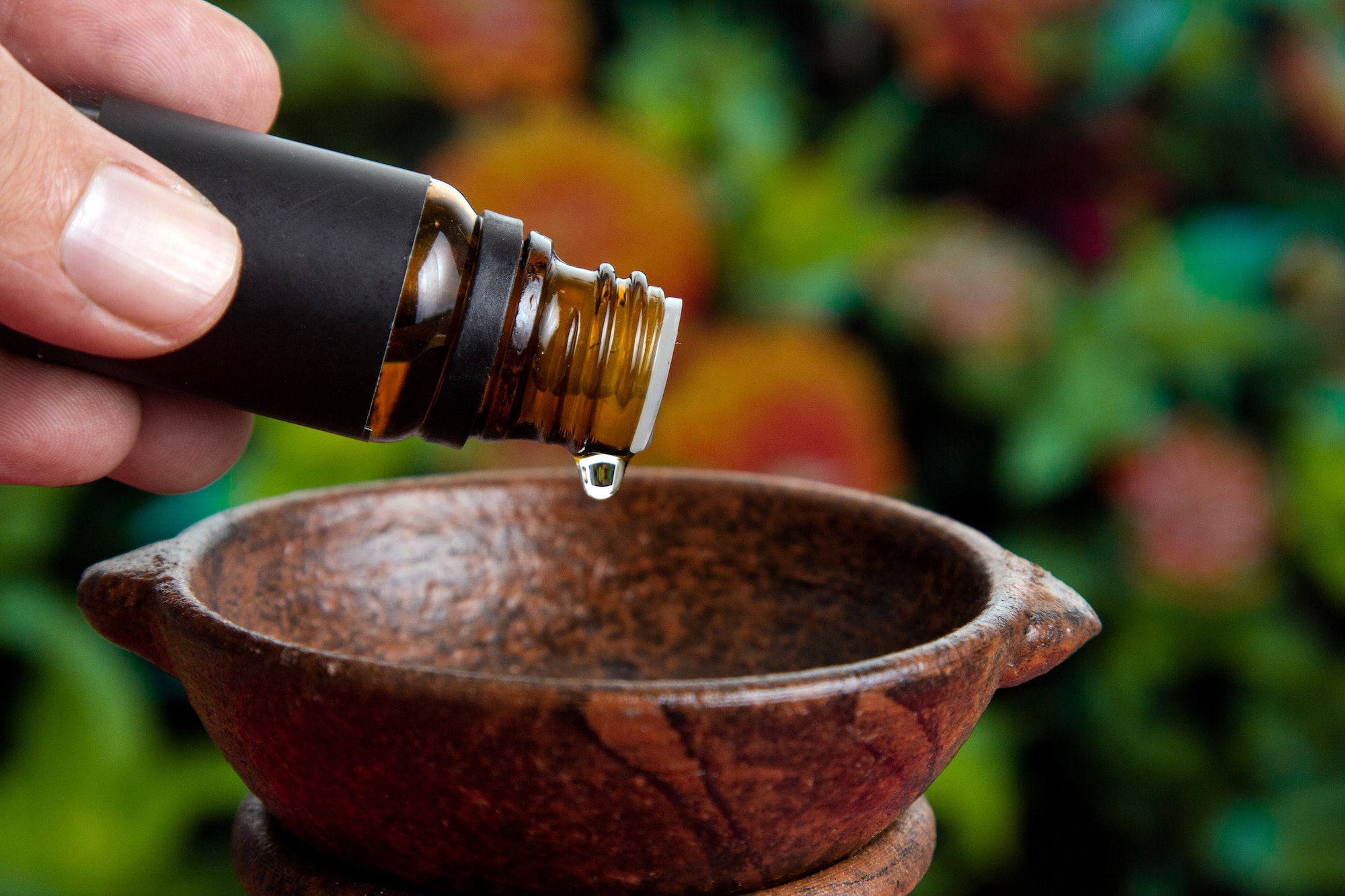
Unleashing the aromatic power of nature can indeed be a mesmerising journey, but it’s crucial to remember that these potent potions aren’t as straightforward as they may seem. Harnessing the influence of essential oils requires knowledge and respect for their potency, especially when it comes to their dilution and usage. This blog post heralds a comprehensive guide for beginners while reiterating safety tips and benefits for seasoned users. It’s here to help you unlock the mysteries surrounding these liquid gems in a way that ensures your excursion into aromatherapy is safe, beneficial, and ultimately transformative! Dive in and let us demystify the delicate art of properly diluting and using essential oils.
Essential oils are highly concentrated plant extracts that require proper dilution before use to prevent adverse reactions. Dilution also promotes safety, even distribution on the skin, and sustainability of use. Adults should typically aim for a dilution ratio of 2-3% (about 12-18 drops per ounce of carrier oil), while for children or those with sensitive skin, a lower ratio of 1% or less (6 drops per ounce) is suggested. It is crucial to follow safety guidelines, review any contraindications before use, and always consult with a healthcare professional before beginning any new health regimen involving essential oils.
Essential oils are derived from various parts of plants, including flowers, leaves, bark, and roots. Each essential oil possesses a unique combination of chemical compounds that contribute to its distinct aroma and therapeutic properties. Let’s explore some common varieties of essential oils and their properties:
These are just a few examples of the wide range of essential oils available. Each one offers unique benefits and applications depending on their chemical composition. It’s important to research individual oils before use to understand their specific uses and possible contraindications.
Now that we have explored the different varieties of essential oils, let’s delve into the recommended dosages and dilutions for safe usage.
Essential oils are highly potent plant essences that require dilution before use to reduce the risk of adverse reactions. Using undiluted essential oils can cause skin irritation, allergies, or burns. Dilution is important because it ensures safety, promotes even distribution and absorption on the skin, and allows for a more sustainable usage of essential oils.
Recommended essential oil dilution ratios for adults are usually 2-3%, which is about 12-18 drops of essential oil per ounce of carrier oil. For children (age 5-10), frail elderly individuals, and those with sensitive skin, a lower dilution of 1% or less (6 drops per ounce) is suggested.
When using essential oils in a bath, they can be combined with salts, milk, or carrier oils like jojoba oil to disperse the oils more evenly in the water. For a spray blend, you can add 10-15 drops of essential oil plus 4 drops of Solubol for every drop of essential oil in an empty 2 fl oz PET bottle with a spray cap. Fill with water or hydrosol and spray freely in any room or on linens.
In a steam blend, use 1 drop of essential oil or an essential oil blend plus one bowl of steamy water. Lean over the bowl with closed eyes to breathe in the aromatic qualities of the oils. For inhalation, use 15-18 drops of essential oil on a cotton inhaler wick for adults and 4-5 drops for children over 5.
While these are general guidelines, it’s crucial to consider individual sensitivities and adjust dilutions accordingly. Pregnant or lactating women should exercise caution when using essential oils and review safety information specific to their circumstances.
Some sources may provide varying recommendations for dilution percentages due to differences in pippettes calibration and the density/viscosity of different oils. However, it’s always best to err on the side of caution and follow reputable guidelines or consult a certified aromatherapist. An online calculator created by Emily Carpenter is also recommended as a helpful tool for determining proper dilution ratios.
With the knowledge of essential oil varieties and their properties, as well as the recommended dosages and dilutions, we can now move on to exploring safe and effective uses for skin application and diffusion.
Essential oils have gained popularity for their various therapeutic benefits, but it’s important to understand the proper methods of usage to ensure both safety and efficacy. Two common ways of using essential oils are through skin application and diffusion. Let’s explore these methods further.
When applying essential oils on the skin, it is crucial to recognise that these potent plant essences require dilution before use to reduce the risk of adverse reactions. Using undiluted essential oils can cause skin irritation, allergies, or burns. Dilution is important because it ensures safety, promotes even distribution and absorption on the skin, and allows for a more sustainable usage of essential oils.
To dilute essential oils for skin application, you will need a carrier oil such as jojoba oil or coconut oil. The recommended dilution ratios for adults are usually 2-3%, which equates to about 12-18 drops of essential oil per ounce of carrier oil. For children (ages 5-10), frail elderly individuals, and those with sensitive skin, a lower dilution of 1% or less (6 drops per ounce) is suggested to minimise any potential adverse effects.
It’s important to conduct a patch test on a small area of your skin before applying essential oils all over your body. This will help determine if you have any sensitivities or allergies to specific oils. Additionally, avoid applying essential oils near your eyes, inside your ears, or on mucous membranes.
Incorporating essentials oils into your bathing routine can also be enjoyable and beneficial. When using essential oils in a bath, they can be combined with salts, milk, or carrier oils like jojoba oil. This dispersion technique helps prevent direct contact with your skin while still reaping the aromatherapy benefits during your relaxing soak.
Diffusing essential oils is another popular method of use, especially for enjoying their aromatic properties and creating a pleasant ambiance in your home or workspace. A diffuser disperses essential oil particles into the air, allowing you to inhale them.
When using a diffuser, it is essential to follow the manufacturer’s instructions for maximum safety and effectiveness. Generally, you’ll add a certain number of drops of essential oil to water in the diffuser’s reservoir, and the device will disperse the oil into the air as a fine mist.
For effective diffusion, add 5-10 drops of essential oil (or as recommended by the specific oil) to your diffuser, depending on the size of your room. Be mindful not to exceed the recommended amount, as excessive diffusion may lead to overwhelming scents or potential irritations.
It is worth noting that some essential oils can be toxic to pets or may cause respiratory issues in individuals with respiratory sensitivities. Therefore, ensure proper ventilation when diffusing oils and consider the well-being of those around you.
While skin application and diffusion are common methods for utilising essential oils, it is crucial to follow precautionary measures to ensure safe usage. Let’s explore these measures in detail.
Ensuring safety when applying essential oils topically involves understanding certain precautionary measures. Here are some guidelines to keep in mind:
By following these precautionary measures, you can minimise the risk of adverse reactions and enjoy the benefits of using essential oils safely on your skin.
Diffusers are an excellent tool to harness the benefits of essential oils and create a pleasant and aromatic environment. However, it’s important to follow some guidelines to ensure safe and effective usage.
1. Choose the Right Type of Diffuser: There are various types of diffusers available, including ultrasonic, nebulizing, heat, and evaporative diffusers. Each has its own unique way of dispersing essential oils into the air. Ultrasonic diffusers are popular as they use water to disperse the oils in a fine mist, while nebulizing diffusers work without water by breaking down the oils into tiny particles. Heat diffusers use heat to release the aroma, and evaporative diffusers use a fan or natural airflow to distribute the scent.
Imagine you’re looking for a diffuser that provides both aesthetic appeal and essential oil benefits throughout your home. In this case, an ultrasonic diffuser would be an excellent choice due to its versatility and ability to disperse a gentle mist that carries essential oil molecules effectively.
2. Follow The Manufacturer’s Instructions: It is crucial to carefully read and follow the manufacturer’s instructions regarding the recommended amount of essential oil and water to be used in your specific diffuser model. This ensures optimal performance and prevents any potential damage to the device.
Let’s say you recently purchased a new ultrasonic diffuser, but you’re unsure about the required amount of essential oil for proper operation. By referring to the manufacturer’s instructions, you can ensure that you’re using the correct dilution ratio specific to your diffuser model.
3. Dilute Essential Oils Appropriately: Before adding essential oils to your diffuser, it is necessary to dilute them properly, especially for certain types such as citrus or spicy oils, which may be skin sensitizers or irritants. Diluting essential oils helps prevent adverse reactions and ensures a more sustainable usage.
Now that we’ve covered some guidelines for safe diffuser usage, let’s dive into the important considerations when selecting the right oil for your needs.
When it comes to selecting essential oils, there are several factors to consider to ensure they meet your specific needs and preferences. Let’s explore some key considerations:
1. Purpose and Intended Use: Determine the purpose and intended use of the essential oil. Are you looking for oils to promote relaxation, boost energy, aid in respiratory health, or simply create a pleasant aroma? Different oils have varying properties and effects on the mind and body.
If you’re seeking relaxation after a long day at work, lavender essential oil is known for its calming properties, making it an ideal choice for creating a tranquil atmosphere in your living space.
2. Scent Preference: Essential oils come in a wide variety of scents, ranging from floral to citrusy, spicy to woody. Consider your personal scent preferences and choose oils that appeal to you.
For instance, if you enjoy the refreshing scent of citrus fruits, lemon or orange essential oils might be perfect choices to uplift your mood and create a vibrant environment within your home.
3. Safety and Precautions: Ensure that you are aware of any safety precautions associated with specific essential oils. Some oils may have contraindications or potential risks, especially if you have certain medical conditions or are pregnant or breastfeeding. It is crucial to research and consult reliable sources or healthcare professionals before using certain oils.
Suppose you are pregnant and considering incorporating essential oils into your routine. In that case, it is advisable to avoid oils such as clary sage or rosemary during pregnancy due to their potential to stimulate contractions.
By considering these factors when selecting essential oils, you can make informed choices that align with your needs and preferences.
Essential oils have gained popularity in recent years for their potential therapeutic benefits and natural fragrance. However, before diving headfirst into the world of aromatherapy, it is important to consider both the pros and cons of incorporating essential oils into your daily routine.
Let’s start with the advantages. One of the primary benefits of essential oils is their ability to promote relaxation and reduce stress. Oils like lavender, chamomile, and bergamot are known for their calming properties and can be used in diffusers or diluted in carrier oils for massage. By incorporating these oils into your routine, you can create a soothing environment that aids in unwinding after a long day.
Another advantage is the potential for essential oils to support overall well-being. Certain oils, such as tea tree oil, possess antimicrobial properties that can help combat bacteria and fungi. Eucalyptus oil is often used in respiratory blends to relieve congestion and promote easier breathing. Plus, oils like peppermint or ginger can be used topically to alleviate headaches or stomach discomfort.
Imagine coming home after a tiring day at work. You decide to take a warm bath infused with a few drops of lavender oil. As you soak in the fragrant water, the calming aroma envelops you, releasing tension from your muscles and easing your mind. The experience leaves you feeling refreshed and rejuvenated, making it clear why so many people turn to essential oils for relaxation purposes.
It’s also worth mentioning that incorporating essential oils into your routine can allow for a more holistic approach to health. Many individuals appreciate the natural aspect of using plant-based solutions instead of relying solely on conventional medicine. This alternative approach can empower individuals to take charge of their own well-being through self-care practises.
On the other hand, there are considerations to keep in mind when using essential oils. It is crucial to acknowledge the potential risks and take necessary precautions.
One of the downsides of essential oil usage is the risk of adverse reactions. Essential oils are highly potent plant essences that require dilution before use to reduce the risk of skin irritation, allergies, or burns. Using undiluted oils directly on the skin can lead to sensitisation or other negative effects. It’s important to follow recommended dilution guidelines and perform a patch test before applying any essential oil topically.
Additionally, there is ongoing debate about the safety of using certain essential oils, especially around children and pregnant or lactating women. While some oils are considered safe when used appropriately, others may pose risks. It is essential to review safety information and guidelines when considering the use of essential oils in these populations.
Think of essential oils like powerful tools – when used correctly and responsibly, they can provide numerous benefits. However, mishandling or overusing them can lead to unfavourable outcomes, just as misusing a power tool can result in injury.
Lastly, it is important to consider individual preferences and sensitivities when incorporating essential oils into your routine. Some individuals may not appreciate the strong aromas associated with certain oils, while others might find them delightful. It’s also possible for individuals to have personal sensitivities or allergies to specific oils, so it is prudent to proceed with caution and be aware of any adverse reactions.
In conclusion, incorporating essential oils into your daily routine can offer various advantages in terms of relaxation, well-being, and a holistic approach to health. However, it is crucial to exercise caution and be aware of potential risks such as skin irritation or adverse reactions. By understanding the pros and cons and practising proper dilution and usage techniques, you can safely enjoy the benefits that essential oils have to offer.
Yes, there are potential risks and side effects when using essential oils improperly. Improper dilution can lead to skin irritation, burns, or allergic reactions. Ingesting certain oils without expert guidance can cause digestive issues or organ damage. According to a study by the National Poison Data System in 2022, there was a 55% increase in essential oil-related poisonings compared to the previous year, highlighting the importance of proper usage and safety precautions.
The benefits of using essential oils are numerous. They can promote relaxation and reduce stress, improve sleep quality, enhance mood, alleviate headaches and migraines, boost immunity, relieve pain and inflammation, and even support respiratory health. Essential oils have also been found to have antimicrobial properties that can help in fighting against certain pathogens. According to a survey conducted by the National Centre for Complementary and Integrative Health, approximately 24% of adults in the United States use essential oils for various health purposes.
Yes, essential oils can be harmful if ingested or used topically in certain ways. While they have many benefits when used properly, improper usage can lead to adverse reactions such as skin irritation, allergic reactions, and even poisoning. According to the American Association of Poison Control Centres, there has been a significant increase in essential oil-related poisonings over the years due to misuse. It is crucial to follow proper dilution guidelines, consult with a healthcare professional, and be aware of any potential contraindications before using essential oils.
Some common essential oils and their specific uses and dilution ratios include: lavender oil (1-2% dilution) for relaxation and sleep aid, tea tree oil (2-5% dilution) for acne treatment and disinfection, peppermint oil (1% dilution) for headache relief and digestion, and eucalyptus oil (1% dilution) for respiratory support and congestion relief. These ratios ensure safety while maximising the benefits of essential oils. According to a study by the National Association for Holistic Aromatherapy, proper dilution helps prevent skin irritation or sensitisation, promoting safe usage.
When determining the amount of essential oil to use for a specific purpose, it is crucial to consider its potency and the intended application. Start with a low concentration, such as 1-2%, and gradually increase if needed. Various factors, like individual sensitivity, age, and health conditions, can influence the appropriate dosage. Additionally, referring to reputable resources and consulting with experienced aromatherapists can provide valuable guidance and ensure safe usage.

Suzanne has gained extensive knowledge of aromatherapy in her 15-year career in the profession. She is a member of the Federation of Holistic Therapists (FHT), the largest professional body for complementary, beauty and sports therapists in the UK.

