

Chronic pain can be debilitating, often hindering one’s quality of life. Discovering effective, natural solutions can be transformative.
This article explores the potential of aromatherapy as a complementary method for managing chronic pain. It provides insight into the use of essential oils, safety measures, and DIY techniques.
We also delve into how aromatherapy can be integrated with other treatments. Equip yourself with these tips to potentially enhance your pain management strategy.
The patient’s understanding of aromatherapy’s role in pain management is crucial for its effective application in chronic pain conditions. This holistic healing treatment uses natural plant extracts to promote health and well-being, but its benefits extend far beyond a pleasant aroma. The essential oils used in aromatherapy interact with the body’s limbic system, influencing emotions, behaviours, and the nervous system. This interaction can result in reduced pain perception and increased comfort.
Aromatherapy offers a non-invasive, non-pharmaceutical approach to managing chronic pain, thus allowing individuals to pursue a more natural course of pain management. It’s essential to note that different essential oils have distinct therapeutic properties; hence, their effects vary. For instance, lavender oil is renowned for its calming properties and is often used to alleviate stress and anxiety, conditions that can exacerbate chronic pain. On the other hand, eucalyptus oil has potent analgesic and anti-inflammatory properties, making it a popular choice for pain relief.
Understanding these aspects of aromatherapy empowers patients to take a proactive role in managing their pain, fostering a sense of autonomy and control over their wellbeing. This knowledge is a powerful tool in the journey towards pain-free living.
Building upon our understanding of aromatherapy’s role in chronic pain management, let’s delve into the specifics of essential oils that are particularly effective for alleviating chronic pain. Essential oils, the purest extracts of plants, have been found to offer significant relief for chronic pain sufferers in various studies.
Lavender oil, for instance, is known for its calming properties and has been shown to reduce pain intensity and improve sleep quality. With its natural analgesic properties, peppermint oil can help relieve muscle and joint pain. Meanwhile, Eucalyptus oil, due to its anti-inflammatory effects, can be particularly beneficial for those suffering from conditions like arthritis.
Another potent essential oil is Rosemary, which has been used traditionally to relieve muscle pain and spasm. Its anti-inflammatory and analgesic properties make it a powerful tool in chronic pain management. Finally, Chamomile oil, famed for its calming effects, can also help mitigate discomfort due to its anti-inflammatory attributes.
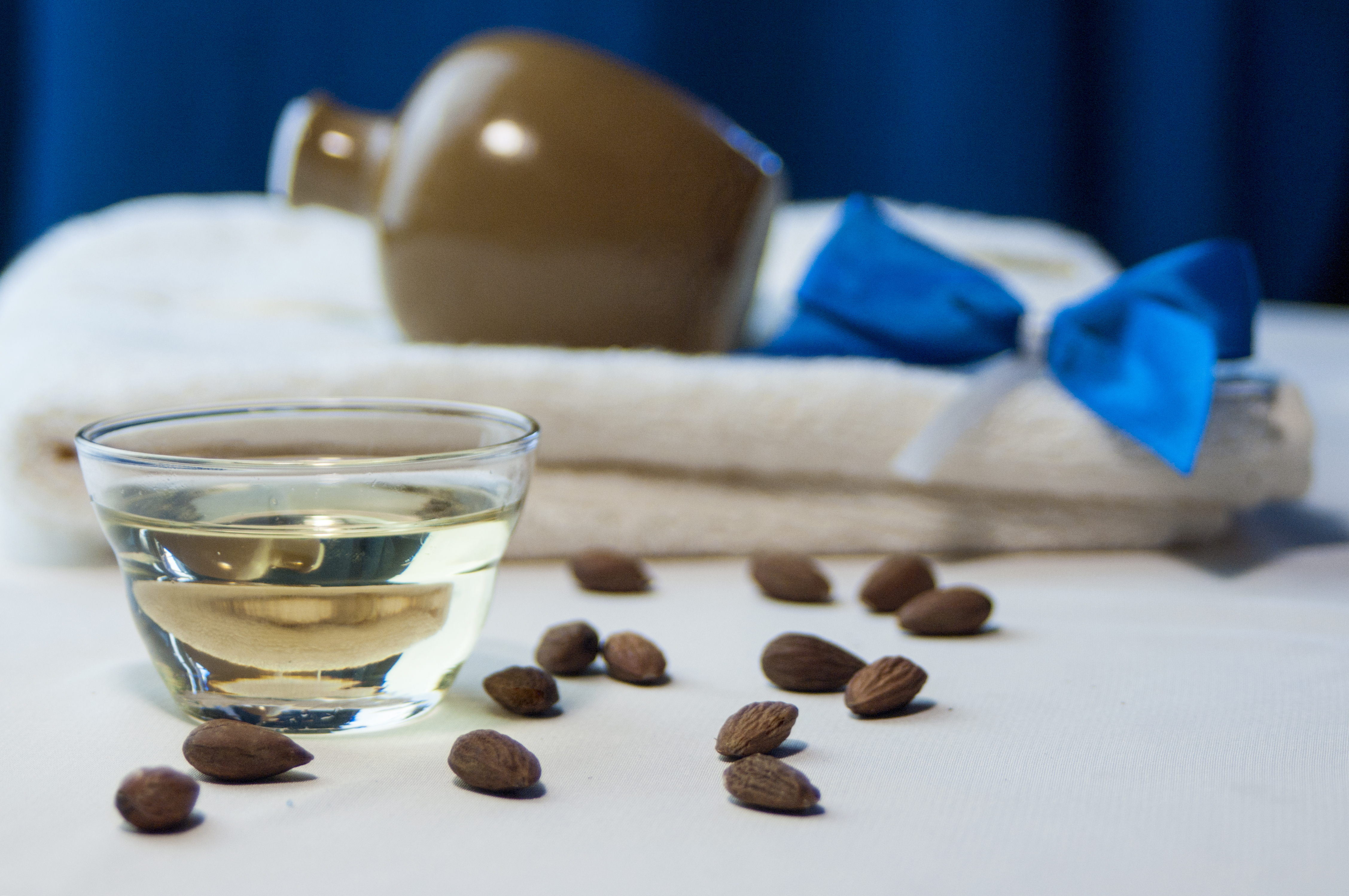
As you incorporate aromatherapy into your chronic pain management routine, it’s vital to understand safe and effective usage practices. To begin with, always dilute essential oils with a carrier oil such as jojoba or almond oil. Applying undiluted essential oils directly onto the skin can cause irritation or adverse reactions. The recommended dilution ratio is typically 3-5 drops of essential oil per 10ml of carrier oil.
Furthermore, performing a patch test before fully incorporating a new essential oil into your regimen is wise. This involves applying a small amount of the diluted essential oil to a patch of skin and observing for any reactions over 24 hours. This will help identify any potential sensitivities or allergies.
Pregnant or breastfeeding women, children, and those with specific health conditions should consult with a healthcare professional before starting aromatherapy. Certain essential oils may have contraindications for these groups.
Lastly, be aware that the quality of essential oils varies greatly. Always opt for pure, therapeutic-grade oils from reputable suppliers to ensure safety and effectiveness.
Following these guidelines will help ensure that your aromatherapy experience is both beneficial and safe.
Delving into DIY aromatherapy techniques, it’s essential to comprehend various methods of use, from inhalation to topical application, to manage chronic pain effectively.
Inhalation, the most common method, involves diffusing essential oils into the air for a soothing, therapeutic effect. Topical application, on the other hand, requires diluting essential oils with carrier oils before applying directly to the skin.
Understanding the correct dilution ratios is crucial for safety and efficacy. Typically, a 2% dilution, which equates to 12 drops of essential oil per ounce of carrier oil, is recommended for chronic pain management. Popular carrier oils include sweet almonds, jojoba, or coconut oil.
For inhalation, essential oil diffusers are a practical choice. They disperse molecules of the oil into the air, creating a calming atmosphere. Alternatively, a few drops of oil in a hot bath can provide a comforting, immersive experience.
To create a personalized blend, start by choosing oils known for their pain-relieving properties, such as lavender, chamomile, or peppermint. Always conduct a patch test to ensure no allergic reaction occurs.
With these techniques, one can harness the benefits of aromatherapy for chronic pain relief, fostering a sense of well-being and independence.
Incorporating aromatherapy into a comprehensive chronic pain management plan can significantly enhance the benefits of other treatments, seamlessly bridging the gap between alternative and conventional therapies. The science of aromatherapy harnesses the potent properties of essential oils, which when coupled with practices such as physiotherapy, massage, or acupuncture, can provide a holistic approach to pain management.
The application of aromatherapy in synergy with other treatments aims to treat the whole person. It’s not just about relieving symptoms; it’s about promoting overall wellness and helping the body to heal itself. For instance, combining aromatherapy with massage therapy can potentiate the pain-relieving effects of both interventions. Essential oils like lavender and chamomile can enhance relaxation and ease muscle tension during a massage, making the session more effective.
Incorporating aromatherapy with mindfulness-based cognitive therapy can also be beneficial. Scents such as frankincense or sandalwood can create a calming environment conducive to meditation and mental relaxation, helping manage chronic pain’s psychological aspects.
In conclusion, aromatherapy presents a potent tool for managing chronic pain, with various essential oils offering different benefits. It is essential to understand safe usage procedures to avoid potential risks.
Furthermore, DIY techniques provide a practical approach to implementing aromatherapy. While it can stand as a standalone therapy, combining aromatherapy with other pain management strategies could enhance effectiveness.
As a holistic and non-invasive method, aromatherapy potentially offers a new dimension to chronic pain management.

Born and raised in the serene landscape of Swansea, Wales, Carina Rounder grew up with a keen interest in the healing arts. The idyllic backdrop of her hometown, with its verdant hills and crystal-clear waters, deeply influenced her passion for natural remedies and holistic health.
Carina boasts an impressive educational background. She holds a Level 3 Diploma in Complementary Therapies, specializing in aromatherapy. This intensive qualification has allowed her to delve deep into the intricacies of essential oils, learning their aromatic properties and their therapeutic effects on the human body and mind.
With over a decade of experience in the field, Carina has become one of the most sought-after aromatherapists in Wales. She runs a successful practice in Swansea, offering a range of treatments from traditional aromatherapy massages to bespoke essential oil blends designed to address individual client needs.
A prolific writer, Carina has penned several authoritative books and articles on the subject of aromatherapy. These works are widely regarded as essential reads for both newcomers to the discipline and seasoned practitioners. With a gift for making complex topics accessible, she has garnered a substantial following among those looking to harness the power of essential oils in their daily lives.
Carina firmly believes in the holistic approach to wellness. To her, aromatherapy is not just about pleasant fragrances; it’s about nurturing the soul, invigorating the senses, and harmonizing the body’s natural rhythms. She often emphasizes the importance of sourcing ethically produced and pure essential oils, asserting that the purity of the oil is pivotal to its effectiveness.

