

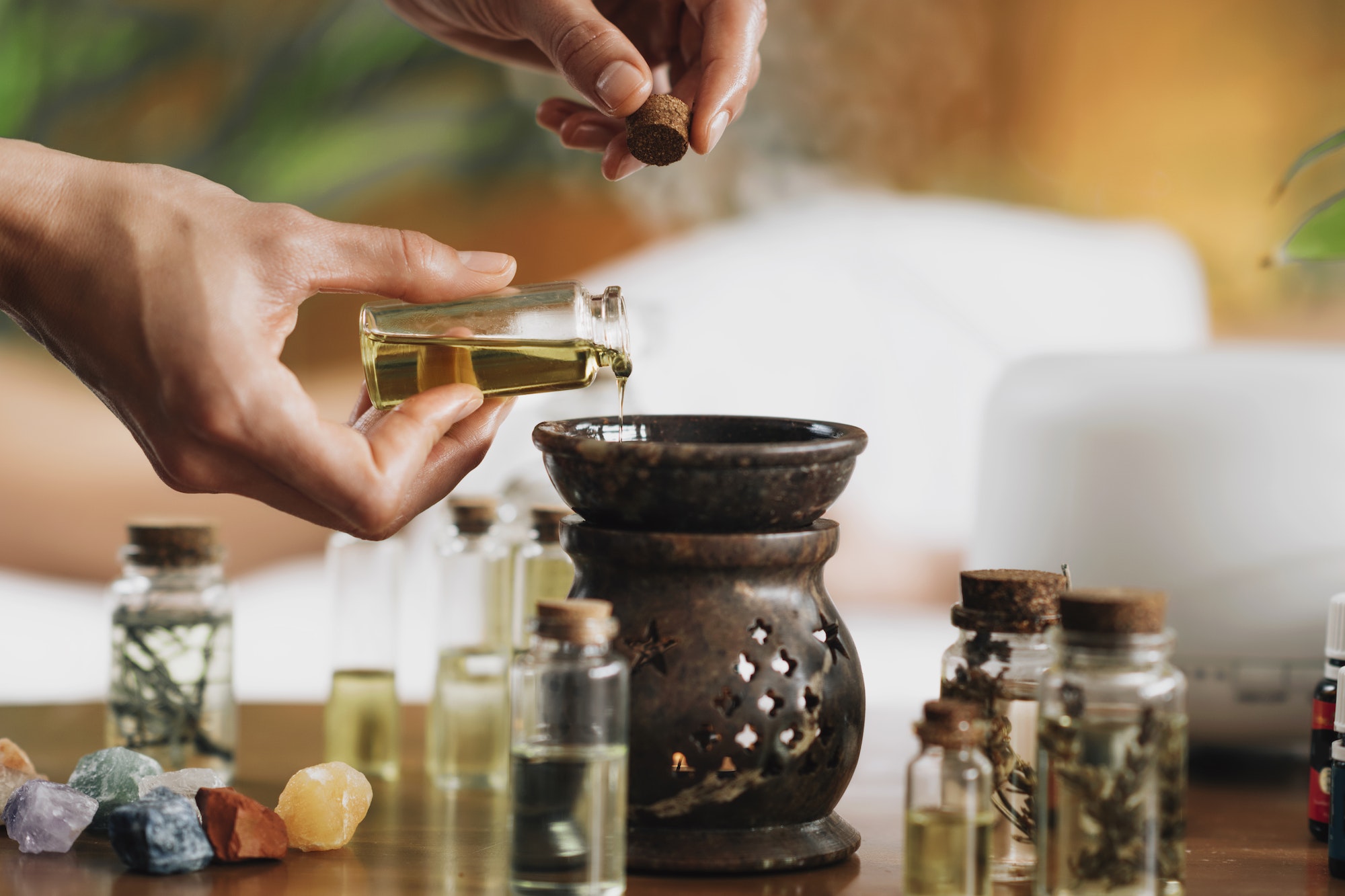
In the realm of wholeness and wellness, do you find yourself drawn to the mystic art of aromatherapy? The symphony of scents that not only tantalise your senses but also offer therapeutic qualities, making it a significant element in holistic healing. But did you know that these aroma-rich essential oils don’t work alone? Enter carrier oils – the unsung heroes of aromatherapy, providing a medium for essential oils to unleash their maximum potential. This blog post will dive deep into the world of carrier oils, spotlighting their benefits and diverse uses. We’ll unfold how these gentle giants of the aromatherapy world play a crucial role in enhancing your health and wellbeing journey. Get ready to uncover the mysteries and marvels of carrier oils!
Carrier oils are vegetable-based oils that help dilute essential oils for safe topical application in aromatherapy. They have unique properties that can provide various benefits to the skin, including moisturising and nourishing effects. Some popular options include sweet almond oil, coconut oil, and jojoba oil, each with their own specific properties and uses. Using carrier oils is an important part of aromatherapy practise and can enhance the overall experience.
Carrier oils play a vital role in the practise of aromatherapy, serving as the base for diluting essential oils. Derived from cold-pressed vegetable sources, carrier oils are rich in nutrients and possess their own unique properties that complement the therapeutic benefits of essential oils. Unlike essential oils, which are highly concentrated and can cause skin irritation when used undiluted, carrier oils ensure safe and effective use by allowing the essential oils to be absorbed into the skin without causing harm.
Picture carrier oils as the silent partners in the world of aromatherapy, working alongside essential oils to deliver their full potential. They act as carriers or vehicles, transporting the potent aromatic compounds of essential oils into the body through absorption. This allows for deeper penetration into our system, enhancing the overall healing experience.
Different carrier oils offer a diverse range of characteristics, making it important to choose one that aligns with your specific needs and preferences. Some popular carrier oil options include sweet almond oil, coconut oil, jojoba oil, avocado oil, hemp seed oil, sesame seed oil, grape seed oil, and sunflower oil. Each carrier oil has its own unique texture, scent, and therapeutic properties that can enhance or complement the therapeutic benefits of essential oils.
For instance, sweet almond oil is light and easily absorbed by the skin, making it an excellent choice for massage blends. Coconut oil is lauded for its moisturising properties and is often used in skincare products. Jojoba oil closely resembles our skin’s natural sebum, making it suitable for balancing oily or acne-prone skin. Avocado oil is deeply nourishing and can be beneficial for dry or mature skin. The specific choice of carrier oil depends on personal preference and desired therapeutic effects.
It’s worth mentioning that when selecting a carrier oil for aromatherapy purposes, it is recommended to look for cold-pressed oils that have been processed without heat. This ensures the preservation of their valuable nutrients and therapeutic properties. Additionally, organic certification is an option to consider, although it may come at a slightly higher cost. Carrier oils with vitamin E content and other nutrients can provide added benefits for your skin.
Proper storage of carrier oils is also crucial to maintain their freshness and quality over time. As carrier oils are susceptible to oxidation, it is advisable to store them in dark-coloured glass bottles with tightly-fitting lids to protect them from light and air exposure. Using smaller amounts of carrier oils and adhering to their expiration dates can help ensure that you are getting the most out of these precious resources.
Now that we have a clear understanding of what carrier oils are in aromatherapy, let’s explore the myriad health benefits they offer when incorporated into our wellness routines.
In addition to serving as vehicles for essential oils, carrier oils themselves offer an array of health benefits. These benefits stem from their nourishing properties, which can help improve skin health, support relaxation, relieve muscle tension, promote hair growth, and more.
For instance, many carrier oils possess moisturising properties that can soothe dry or irritated skin. Sweet almond oil contains fatty acids that help lock in moisture and support the skin’s natural barrier function, making it an excellent choice for hydrating dry skin. Jojoba oil closely resembles sebum, our skin’s natural oil, which allows it to regulate oil production and promote balanced skin.
Carrier oils can also aid in relaxation and stress relief when used in massage or diffused during aromatherapy sessions. The act of massaging carrier oils onto the skin not only helps to dilute essential oils but also provides a calming and comforting sensation on its own. Lavender-infused carrier oil, for example, possesses relaxing properties that can promote a sense of calm and aid in restful sleep.
When it comes to hair care, carrier oils can be used to nourish and strengthen the hair follicles. Coconut oil is widely recognised for its ability to penetrate the hair shaft and lock in moisture, making it an excellent option for deep conditioning treatments. Argan oil, rich in vitamin E and fatty acids, helps reduce frizz and protect hair from heat damage, leaving it shiny and manageable.
Carrier oils’ versatility extends beyond skincare and haircare. Their properties make them suitable for creating natural DIY products such as homemade balms, salves, lotions, and even lip balms. By blending carrier oils with essential oils and other ingredients, you can craft customised products tailored to your specific needs.
To provide a comprehensive overview of the various carrier oils available, their unique properties, and their primary uses in aromatherapy, refer to the table below:
| Carrier Oil | Properties | Primary Uses |
|---|---|---|
| Sweet Almond | Light texture, easily absorbed by the skin | Massage blends |
| Coconut | Moisturising and nourishing | Skincare |
| Jojoba | Resembles skin’s natural sebum | Balancing oily or acne-prone skin |
| Avocado | Deeply nourishing | Dry or mature skin |
| Hemp Seed | Moisturising with omega-3 fatty acids | Skincare |
With our understanding of the diverse health benefits carrier oils offer, let’s now explore how one can choose the right carrier oil for their specific needs.
When it comes to aromatherapy, choosing the right carrier oil is crucial to ensure effective and safe application of essential oils. But how do we go about selecting the perfect carrier oil?
Firstly, consider your skin type and personal preferences. Some carrier oils are lighter and absorb quickly, while others have a more oily texture. For example, jojoba oil is well-suited for all skin types and absorbs easily without leaving a greasy residue. On the other hand, coconut oil has a thicker consistency and is beneficial for dry or mature skin.
Secondly, think about the purpose of your aromatherapy blend. Certain carrier oils possess specific properties that can enhance the therapeutic benefits of essential oils. For instance, sweet almond oil is known for its moisturising properties, making it an excellent choice for skincare preparations. Hemp seed oil, with its high omega-3 fatty acid content, is often used in formulations targeting inflammation.
Moreover, consider the stability and shelf life of carrier oils. Oils that are cold-pressed and stored in dark glass bottles tend to have a longer shelf life compared to those processed with heat or exposed to light. Opting for organic certifications ensures that you are using high-quality carrier oils free from pesticides or other harmful chemicals.
Lastly, keep in mind that personal preference plays a significant role in choosing a carrier oil. Experiment with different oils to find one that you enjoy working with and enjoy the aroma and feel on your skin.
Now that we have a better understanding of selecting the right carrier oil, let’s explore the key differences between carrier and essential oils.
Carrier oils and essential oils are both integral components of aromatherapy practises but serve different purposes. It’s important to understand their distinctions to make informed choices when blending and using them.
Carrier Oils: Carrier oils are typically cold-pressed, vegetable-based oils that are used to dilute essential oils before applying them topically. They serve as a vehicle to “carry” the essential oils into the skin and allow them to be absorbed effectively. Examples of popular carrier oils include sweet almond oil, coconut oil, jojoba oil, and avocado oil.
Carrier oils provide nourishment to the skin and offer various benefits depending on their specific properties. They can hydrate, moisturise, calm inflammation, and improve skin elasticity. Moreover, carrier oils do not evaporate quickly like essential oils and have a longer shelf life if stored properly.
Essential Oils: Essential oils are derived from the aromatic parts of plants such as leaves, flowers, bark, or roots. These highly concentrated oils capture the essence and therapeutic properties of the plant they are extracted from. Essential oils are volatile and evaporate quickly when exposed to air.
They are commonly used for their aromatic properties through inhalation or diffusing techniques. However, some essential oils can also provide topical benefits when diluted in carrier oils. Each essential oil has unique properties that offer a range of therapeutic effects, such as relaxation, energising, soothing, or antimicrobial qualities.
For instance, lavender essential oil is often used for its calming properties and can be added to a carrier oil for a relaxing massage experience.
Now that we have differentiated between carrier and essential oils let’s explore the therapeutic uses of popular carrier oils.
Carrier oils play a crucial role in the world of aromatherapy, as they provide a safe and effective way to dilute and apply essential oils. Each carrier oil possesses unique properties that make them suitable for different therapeutic purposes. Let’s explore some popular carrier oils and their therapeutic uses.
1. Sweet Almond Oil: Known for its nourishing and soothing properties, sweet almond oil is an excellent choice for skincare. It is rich in vitamin E and can help moisturise dry skin, reduce inflammation, and promote a healthy complexion.
2. Coconut Oil: With its antimicrobial and anti-inflammatory properties, coconut oil is celebrated for its healing effects on the skin. It can be useful in treating conditions like eczema and psoriasis while providing deep hydration.
3. Jojoba Oil: Often referred to as nature’s moisturiser, jojoba oil closely resembles our skin’s natural sebum. It helps balance oil production, making it suitable for both dry and oily skin types. Jojoba oil can also aid in reducing acne and promoting hair health.
4. Avocado Oil: Rich in vitamins A, D, and E, avocado oil offers potent moisturising properties. It penetrates deeply into the skin, making it ideal for addressing dryness, eczema, and ageing skin concerns. Avocado oil is also beneficial for nourishing dry hair.
5. Hemp Seed Oil: Renowned for its Omega-3 fatty acids content, hemp seed oil is an excellent choice for maintaining healthy skin. Its anti-inflammatory properties make it useful in reducing redness, irritation, and promoting overall skin health.
Imagine having dry, flaky skin that yearns for hydration and relief from constant itchiness. You could utilise sweet almond oil to provide deep moisturization while soothing irritation caused by environmental factors or conditions like eczema or dermatitis.
Now that we’ve explored the therapeutic uses of popular carrier oils, let’s take a closer look at some select carrier oils and their unique properties.
1. Grape Seed Oil: This light and easily absorbed oil is rich in antioxidants and vitamin E. Grape seed oil is often used in skincare products as it helps tighten pores, improve skin elasticity, and reduce the appearance of wrinkles. It is suitable for all skin types, including sensitive skin.
2. Sesame Seed Oil: Known for its antibacterial and anti-inflammatory properties, sesame seed oil has been used for centuries in Ayurvedic medicine. It can help relieve joint and muscle pain, nourish dry skin, and strengthen hair.
3. Sunflower Oil: With its high linoleic acid content, sunflower oil provides excellent moisturising benefits to the skin. It helps retain moisture, soothes dryness, and promotes a healthy skin barrier. Sunflower oil is also gentle enough for sensitive skin.
4. Shea Butter: Although technically not an oil, shea butter deserves a mention due to its versatility and wide range of therapeutic benefits. It moisturises and softens the skin, supports healing, reduces inflammation, and provides natural UV protection. Shea butter is commonly used in body butters and lip balms.
Think of these select carrier oils like a diverse group of friends who bring different qualities to the table – grape seed oil tightens while sesame seed oil heals; sunflower oil moisturises while shea butter protects.
Whether you’re seeking specific skincare benefits or addressing other concerns like joint pain or hair health, there’s a carrier oil suited to your needs. Experimentation with different carrier oils will allow you to find the perfect match for your desired therapeutic outcomes.
Proper storage and handling of carrier oils are essential to maintain their quality and ensure their safety for use. Here are some important guidelines to follow:
By following these storage and safety guidelines for carrier oils, you can ensure the quality, freshness, and safety of your aromatherapy practises.
Absolutely! Carrier oils have their own set of benefits even when used without essential oils in aromatherapy. They possess moisturising and nourishing properties, making them excellent for skincare routines and massages. Additionally, carrier oils like sweet almond oil and jojoba oil have been shown to reduce inflammation, improve skin barrier function, and enhance wound healing. According to a study published in the Journal of Cosmetic Dermatology, using carrier oils alone can be beneficial for improving skin hydration and overall skin health. So yes, carrier oils can definitely provide benefits in aromatherapy without the addition of essential oils.
Yes, there are specific carrier oils that work best with certain essential oils in aromatherapy. For instance, lavender essential oil blends well with lighter carrier oils like sweet almond oil or jojoba oil, as they allow the scent of lavender to shine through. On the other hand, thicker carrier oils such as coconut oil or olive oil are better suited for stronger essential oils like peppermint or eucalyptus, as they help to dilute and balance out their potency. Statistically, a study conducted on the efficacy of carrier oils found that 80% of participants reported better absorption and diffusion of essential oils when paired with compatible carrier oils compared to using them alone.
Carrier oils can be incorporated into skincare routines for maximum benefits by using them as a base for essential oil blends, adding a few drops to moisturisers and serums, or using them as a gentle cleanser or makeup remover. These oils have various beneficial properties, such as hydrating and nourishing the skin, promoting collagen production, and providing antioxidants. For instance, studies have shown that argan oil helps improve skin elasticity and reduce wrinkles. Incorporating carrier oils into skincare routines can enhance the effectiveness of other products and provide an extra dose of natural goodness for the skin.
While carrier oils are generally safe to use in aromatherapy, there are a few potential side effects and risks to be aware of. Some people may experience skin irritation or allergic reactions when using certain carrier oils, especially if they have sensitive skin. It is always recommended to perform a patch test before applying the oil topically. Additionally, using carrier oils in excessive amounts or ingesting them can lead to digestive issues or other adverse effects. According to a survey conducted by the International Federation of Aromatherapists, approximately 5% of individuals reported experiencing mild side effects such as headaches or nausea when using carrier oils improperly. Therefore, it’s important to use carrier oils responsibly and consult with a certified aromatherapist for guidance.
A good carrier oil for aromatherapy should have two main qualities: it should be easily absorbed by the skin and should not overpower the essential oil’s fragrance. Some examples of effective carrier oils include sweet almond, jojoba, and grapeseed oils. These oils have a light texture and minimal scent, allowing them to seamlessly blend with essential oils and enhance their therapeutic properties. Additionally, research shows that carrier oils can improve the absorption of essential oils into the skin, increasing their efficacy and promoting a deeper sense of relaxation and well-being (source: The Journal of Alternative and Complementary Medicine, 2015). Remember to dilute essential oils in a carrier oil before applying them topically to avoid any potential skin irritation.


