

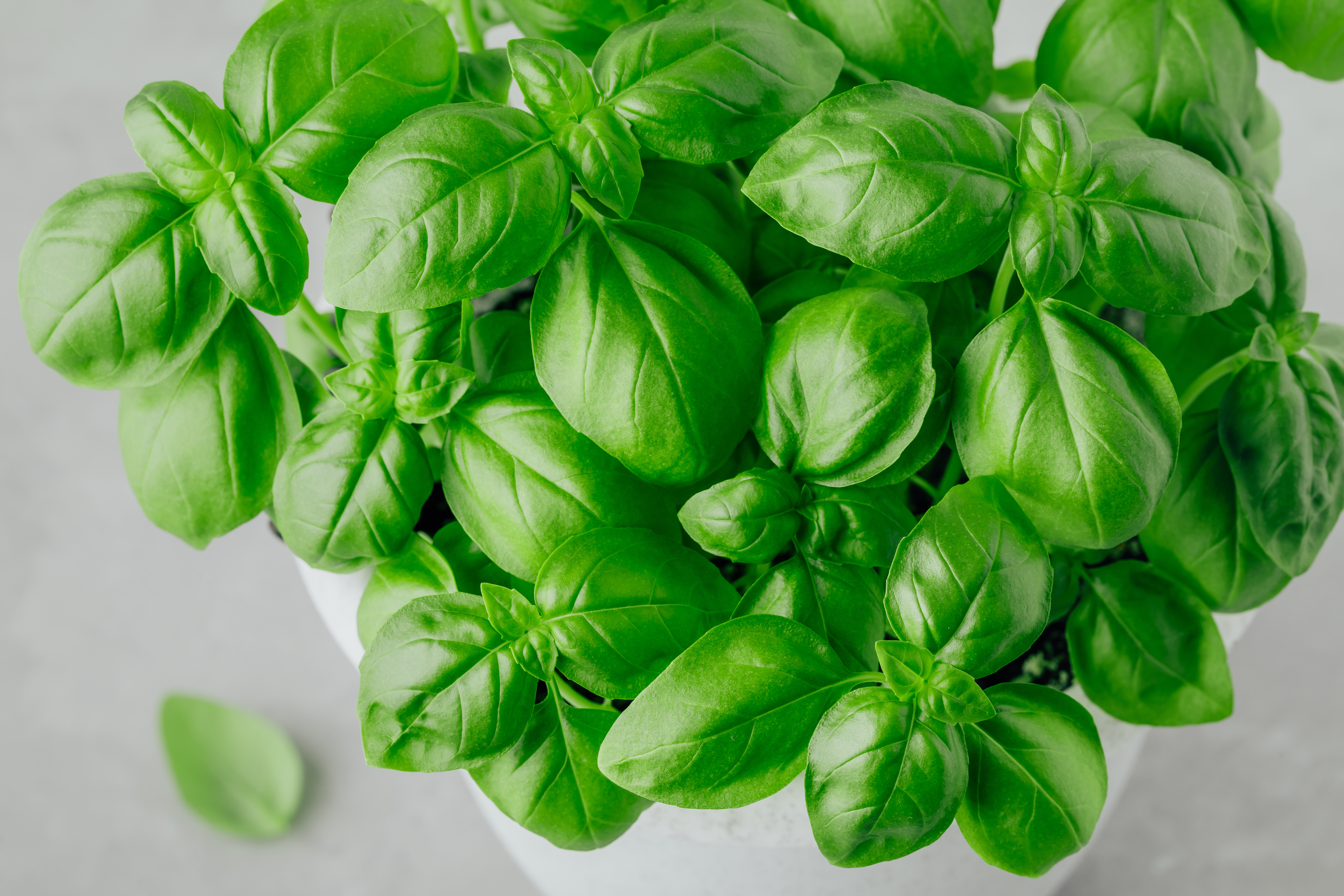
Basil essential oil, extracted from the Ocimum basilicum plant, has been used for centuries in traditional medicine and cooking. In recent years, scientific research has uncovered basil oil’s many biological and pharmacological properties, leading to its increased popularity in complementary therapies. This article delves into the science behind basil essential oil, exploring the benefits and uses of this versatile oil.
The chemical composition of basil essential oil has been extensively studied, revealing the presence of numerous bioactive compounds such as eugenol, linalool, and methyl chavicol. These compounds are responsible for the oil’s many biological and pharmacological properties, including antioxidant, antimicrobial, and anti-inflammatory effects. Basil oil has also been found to have the potential to treat various health conditions, such as respiratory and digestive disorders.
Clinical trials and research studies have further explored the potential benefits of basil essential oil. For example, studies have shown that basil oil can effectively repel insects and preserve food. Additionally, the psychological effects of basil oil have been investigated, with some studies suggesting that it may have a calming effect on the mind and body.
Basil essential oil is extracted from the leaves of the basil plant, also known as Ocimum basilicum. The chemical composition of basil essential oil varies depending on factors such as the type of basil plant, the location where it was grown, and the method of extraction used.
The major constituents of basil essential oil include linalool, limonene, pinene, eugenol, terpenes, alcohols, cinnamal, estragole, and monoterpenes. Linalool is the most abundant component, making up around 50% of the oil. Limonene and pinene are also present in significant amounts.
Basil essential oil also contains a range of other compounds, including aldehydes, phenols, terpenoids, coumarins, phenylpropanoids, eucalyptol, and bergamotene. These compounds contribute to the unique aroma and therapeutic properties of the oil.
Research studies have investigated the chemical composition of basil essential oil and its potential benefits. For example, a study published in PubMed examined the chemical composition and in vitro anticancer activity of basil essential oil. The study found that the oil exhibited significant anticancer activity against human cancer cells, and the major components responsible for this activity were linalool and eugenol.
Another study published in BMC Complementary Medicine and Therapies investigated the chemical composition and biological activities of essential oils from different cultivars of basil. The study found that essential oils’ qualitative and quantitative composition varied significantly between different basil cultivars.
Overall, the chemical composition of basil essential oil is complex and varies depending on several factors. The oil contains a range of compounds that contribute to its unique aroma and potential therapeutic properties. Further research is needed to fully understand basil essential oil’s chemical composition and potential benefits.
Basil essential oil has been found to possess a wide range of biological and pharmacological properties. Studies have shown that it has antibacterial, antimicrobial, antiviral, and antioxidant activity, among others.
One study found that basil essential oil exhibited antibacterial activity against a range of Gram-positive and Gram-negative bacteria, including E. coli and S. aureus. It was also found to have antifungal activity against Candida albicans.
In addition to its antimicrobial properties, basil essential oil has been found to possess antioxidant activity. This is due to the presence of various phenolic compounds, such as rosmarinic acid and caffeic acid, which have been shown to scavenge free radicals and prevent oxidative damage.
Basil essential oil has also been found to have pharmacological effects. It has been shown to act as an agonist and antagonist of various receptors, including muscarinic, adrenergic, and histaminergic receptors. It has also been found to have anxiolytic and relaxant effects and the ability to induce cell cycle arrest in cancer cells.
Overall, basil essential oil’s biological and pharmacological properties make it a promising candidate for further research into its potential therapeutic uses.
Basil essential oil has a long history of use in traditional medicine due to its numerous health benefits. Research studies and clinical trials have explored the potential uses of basil oil, and the results indicate that it may have several positive effects on human health.
One of the most significant benefits of basil essential oil is its anti-inflammatory properties. Studies have shown that basil oil can reduce inflammation and pain caused by various conditions, including arthritis, colitis, and asthma. This makes it an excellent natural alternative to traditional anti-inflammatory medications.
In addition to its anti-inflammatory properties, basil oil may also have anti-ageing effects. Research has shown that basil oil can help prevent cellular damage and apoptosis, which is the programmed death of cells. This may help to slow down the ageing process and reduce the risk of age-related diseases.
Basil oil may also be effective in treating headaches. A study published in the European Journal of Clinical Pharmacology found that inhaling basil oil reduced the severity of headaches in participants. This makes it a potential natural remedy for those who suffer from frequent headaches.
Overall, basil essential oil has numerous potential health benefits. From its anti-inflammatory and pain-relieving properties to its anti-ageing effects and potential as a headache remedy, basil oil is a versatile and natural product that may be worth exploring further.
Basil essential oil has been used for centuries in traditional medicine to alleviate various ailments. It is also a popular ingredient in complementary therapies such as aromatherapy. The oil is extracted from the leaves of the basil plant (Ocimum basilicum L.) and contains various chemical compounds responsible for its therapeutic effects.
When used in aromatherapy, basil essential oil is typically combined with other essential oils, such as sage, lavender, and peppermint, to create a blend that is tailored to the individual’s needs. For example, a blend of basil and lavender essential oils may be used to promote relaxation and reduce stress levels.
Studies have also investigated the potential benefits of basil essential oil in treating specific conditions. For instance, a randomised, triple-blind study published in PubMed found that topical application of basil essential oil was effective in reducing the severity and frequency of migraine headaches. Another study published in Sage Journals showed that basil essential oil had a protective effect against acetic acid-induced colitis in rats.
In addition to its therapeutic effects, basil essential oil also exhibits antimicrobial properties. A study published in MDPI found that the oil was effective against multidrug-resistant clinical isolates of Staphylococcus, Enterococcus, and Pseudomonas bacteria.
Basil essential oil has shown promising results in various research studies and clinical trials. However, it is important to note that more research is needed to understand its potential benefits fully and uses in complementary therapies. As with any complementary therapy, it is always advisable to consult with a healthcare professional before use.
Basil essential oil has been extensively researched for its antimicrobial properties, making it a promising natural alternative to synthetic preservatives in the food industry. Several studies have investigated the effectiveness of basil oil in inhibiting the growth of various bacteria, including Escherichia coli.
One study found that basil oil exhibited strong antibacterial activity against E. coli, with a minimum inhibitory concentration (MIC) of 0.5%. Another study showed that basil oil was effective in inhibiting the growth of several other foodborne pathogens, including Listeria monocytogenes and Salmonella typhimurium.
Encapsulation of basil oil has also been explored as a means of enhancing its antimicrobial activity and stability. A study found that chitosan microencapsulation of basil oil improved its antimicrobial activity against E. coli and Staphylococcus aureus. The microencapsulated basil oil was also found to be more stable than the free oil, making it a promising candidate for use in food preservation.
In addition to its antimicrobial properties, basil oil has also been found to have antioxidant and anti-inflammatory effects, which may further enhance its potential as a natural preservative in the food industry.
Overall, the research suggests that basil essential oil has great potential as a natural alternative to synthetic preservatives in food preservation. Further studies are needed to investigate its effectiveness in different food matrices and to optimize its formulation for maximum efficacy.
Basil is a herbaceous plant belonging to the Lamiaceae family, which is native to tropical regions of central Africa and Southeast Asia. There are several cultivars of basil, each with unique characteristics in terms of aroma, flavour, and essential oil composition. Some of the most popular cultivars used for essential oil production include sweet basil (Ocimum basilicum), holy basil (Ocimum tenuiflorum), and African basil (Ocimum gratissimum).
Steam distillation is the most common method used for the extraction of essential oils from basil plants. During this process, steam is passed through the plant material, which causes the essential oil to evaporate and then condense into a liquid. The resulting liquid is a mixture of water and essential oil, which is then separated using a separator or decanter.
The yield and quality of essential oil depend on several factors, including the basil cultivar, the plant’s age, and the time of day when the plant is harvested. For instance, sweet basil harvested in the morning has been found to contain higher levels of essential oil than those harvested in the afternoon. Furthermore, the essential oil composition of basil can vary depending on the geographical location, soil type, and climate conditions.
Studies have shown that basil essential oil contains several bioactive compounds, including eugenol, linalool, methyl chavicol, and geraniol. These compounds possess antimicrobial, anti-inflammatory, and antioxidant properties, which make basil essential oil a promising candidate for various therapeutic applications.
In conclusion, basil essential oil is extracted from different cultivars of basil using steam distillation. The yield and quality of essential oil depend on several factors, including the cultivar, the age of the plant, and the time of day when the plant is harvested. Basil essential oil contains several bioactive compounds that have potential therapeutic benefits.
Over the years, several clinical trials and research studies have explored the potential benefits and uses of basil essential oil. Here are some of the most notable ones:
A systematic review and meta-analysis published in the Journal of Evidence-Based Complementary and Alternative Medicine in 2017 analysed the effects of aromatherapy using basil essential oil on anxiety levels. The review included six randomized controlled trials with a total of 269 participants. The results showed that aromatherapy with basil oil significantly reduced anxiety levels compared to the control groups.
A clinical trial published in the Journal of Medicinal Food in 2011 investigated the protective effect of basil essential oil on acetic acid-induced colitis in rats. The study found that the administration of basil oil significantly reduced inflammation and oxidative stress markers, indicating a potential protective effect against colitis.
A study published in the Journal of Cancer Research and Therapeutics in 2019 explored basil essential oil’s in vitro and in vivo anticancer activity. The study found that basil oil exhibited potent anticancer activity against various cancer cell lines, including breast, colon, and lung cancer. Additionally, in vivo, experiments showed that basil oil significantly inhibited tumour growth in mice.
These clinical trials and research studies suggest that basil essential oil may have potential therapeutic benefits in various health conditions, including anxiety, colitis, and cancer. However, further research is needed to fully understand basil oil’s mechanisms of action and potential side effects.
Basil essential oil has been studied for its potential as an insect repellent. Insects detect odours when the volatile odour binds to odorant receptor (OR) proteins displayed on ciliated dendrites of specialized odour receptor neurons (ORNs) that are exposed to the external environment, often on the antennae and maxillary palps of the insect. Basil essential oil has been found to have a significant repellent effect against a variety of insects, including mosquitoes, ticks, and flies.
A laboratory trial by Amer et al. found that a 20% oil solution of basil essential oil had a mean percentage repellency of 66.7% and provided 100% protection against Anopheles stephensi for 3.5 hours. Phasomkusolsil et al. used basil essential oil at 0.02, 0.10, and 0.21 mg/cm2 concentrations against Anopheles dirus. The percentage repellency was dose-response, and the results showed that basil essential oil has a significant effect in repelling insects, especially at higher concentrations.
Petitgrain oil was found to be the most effective against Aedes aegypti, with a repellent activity of 270 minutes, according to a study by Trongtokit et al. However, basil essential oil also showed a significant repellent effect against Aedes aegypti, with a mean percentage repellency of 96.5% at a concentration of 10%.
Plant-based repellents have gained increasing popularity due to their natural and safe properties. Basil essential oil is a promising natural insect repellent due to its significant repellent effect against a variety of insects. However, further research is needed to explore its effectiveness in different settings and against different species of insects.
In conclusion, basil essential oil has shown significant potential as an insect repellent in various studies. Its natural properties make it a promising alternative to chemical insect repellents.
Basil essential oil has been found to have various psychological effects, as demonstrated by several research studies and clinical trials.
One study found that inhaling basil essential oil helped reduce stress and anxiety levels in participants. The study showed that basil oil had a calming effect on the participants, decreasing their anxiety levels. Another study found that inhaling basil oil helped improve cognitive function, including memory and attention span.
Additionally, basil essential oil has been shown to have analgesic properties, which can help reduce pain and discomfort. This can positively impact psychological well-being, as pain can often lead to stress and anxiety.
Furthermore, basil essential oil has been found to have anti-depressant properties. One study found that inhaling basil oil helped reduce symptoms of depression in participants. The study showed that basil oil positively affected the participants’ mood and emotional well-being.
Overall, the psychological effects of basil essential oil have been demonstrated in various research studies and clinical trials. Basil oil has been found to have a calming effect, improve cognitive function, reduce pain and discomfort, and have anti-depressant properties.
When it comes to using essential oils, it is important to use them safely and in the correct dosage. Basil essential oil is generally considered safe when used properly, but it is important to follow guidelines to avoid any adverse effects.
The appropriate dosage of basil essential oil can vary depending on the individual’s intended use, age, weight, and health. Diluting basil essential oil with a carrier oil before topical use is recommended. A general guideline for dilution is 1-2 drops of essential oil per teaspoon of carrier oil.
A few drops of basil essential oil can be added to a diffuser or vaporiser for aromatherapy. It is recommended to start with a small amount and gradually increase the amount of oil used based on personal preference.
Basil essential oil is generally safe when used properly, but it is important to follow safety guidelines to avoid any adverse effects.
It is not recommended to ingest basil essential oil, as it can be toxic in large amounts. It is also important to avoid using basil essential oil on broken skin or sensitive areas, as it can cause irritation or allergic reactions.
Individuals who are pregnant, breastfeeding, or have underlying health conditions should consult with a healthcare professional before using basil essential oil. It is also recommended to perform a patch test before using basil essential oil topically to check for any adverse reactions.
Overall, when used properly, basil essential oil can be a safe and effective natural remedy for a variety of health concerns.

Born and raised in the serene landscape of Swansea, Wales, Carina Rounder grew up with a keen interest in the healing arts. The idyllic backdrop of her hometown, with its verdant hills and crystal-clear waters, deeply influenced her passion for natural remedies and holistic health.
Carina boasts an impressive educational background. She holds a Level 3 Diploma in Complementary Therapies, specializing in aromatherapy. This intensive qualification has allowed her to delve deep into the intricacies of essential oils, learning their aromatic properties and their therapeutic effects on the human body and mind.
With over a decade of experience in the field, Carina has become one of the most sought-after aromatherapists in Wales. She runs a successful practice in Swansea, offering a range of treatments from traditional aromatherapy massages to bespoke essential oil blends designed to address individual client needs.
A prolific writer, Carina has penned several authoritative books and articles on the subject of aromatherapy. These works are widely regarded as essential reads for both newcomers to the discipline and seasoned practitioners. With a gift for making complex topics accessible, she has garnered a substantial following among those looking to harness the power of essential oils in their daily lives.
Carina firmly believes in the holistic approach to wellness. To her, aromatherapy is not just about pleasant fragrances; it’s about nurturing the soul, invigorating the senses, and harmonizing the body’s natural rhythms. She often emphasizes the importance of sourcing ethically produced and pure essential oils, asserting that the purity of the oil is pivotal to its effectiveness.

