

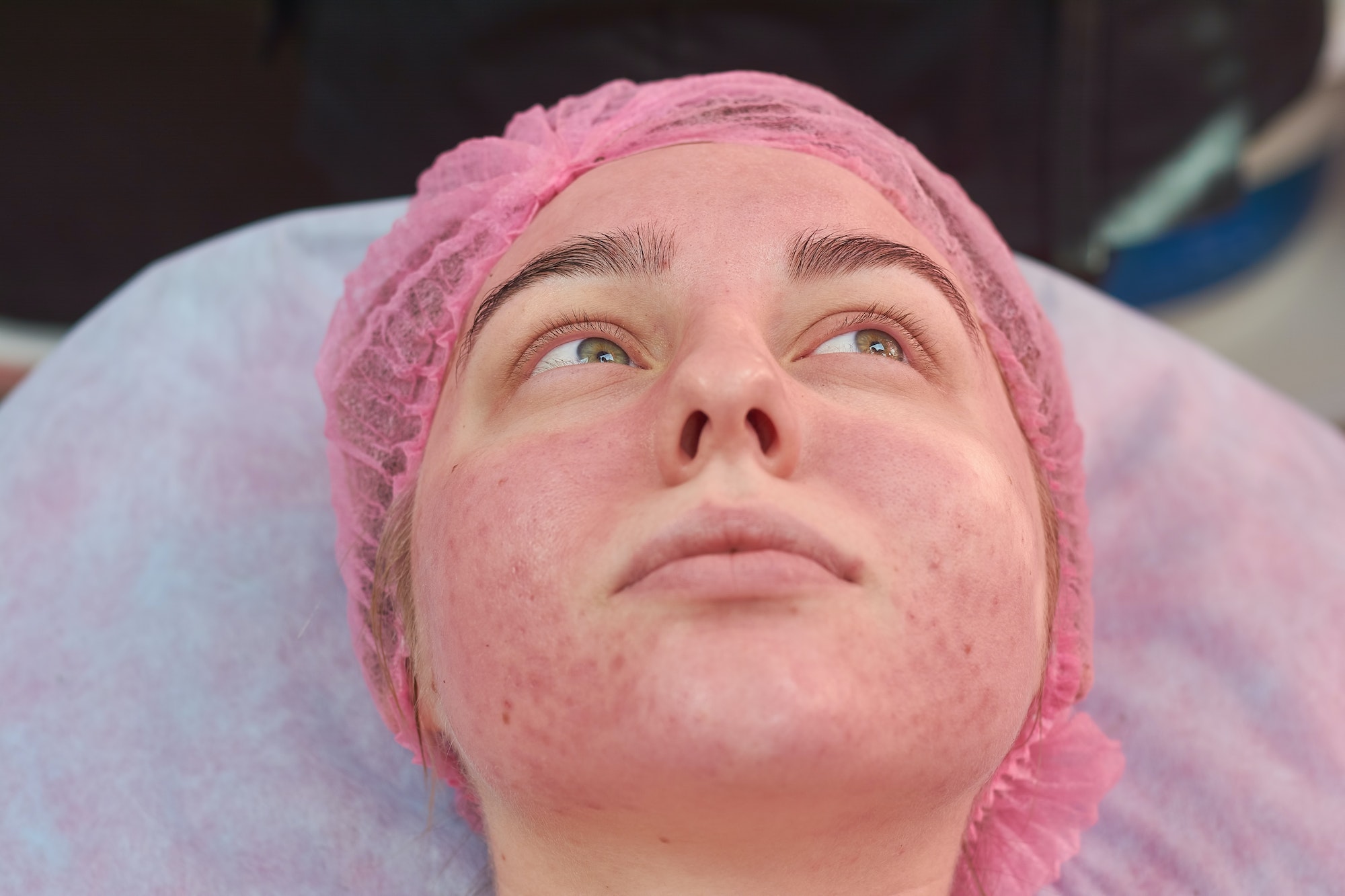
Aromatherapy has been used for centuries to treat various ailments, including acne. Acne is a common skin condition that affects people of all ages and can significantly impact a person’s self-esteem. Aromatherapy uses essential oils extracted from plants to improve physical and emotional well-being. When used correctly, essential oils can help reduce the severity of acne breakouts and improve the appearance of the skin.
Understanding acne is essential to treating it effectively. Acne is a skin condition that occurs when hair follicles become clogged with oil and dead skin cells. This can lead to the formation of blackheads, whiteheads, pimples, or cysts. Acne can be caused by a variety of factors, including hormonal changes, stress, and genetics. While many over-the-counter and prescription treatments are available for acne, some people prefer to use natural remedies such as aromatherapy.
Aromatherapy basics involve using essential oils to promote physical and emotional well-being. Essential oils are highly concentrated plant extracts that can be used in a variety of ways, including inhalation, topical application, and ingestion. Essential oils have been used for centuries to treat a variety of ailments, including skin conditions like acne. Essential oils can help reduce inflammation, kill bacteria, and promote healing when used correctly.
Acne is a common skin condition that affects millions of people worldwide. The presence of pimples, blackheads, and other blemishes on the skin characterizes it. Understanding the causes of acne is important for effective treatment and prevention.
Acne vulgaris is the most common form of acne. It is caused by the overproduction of sebum, a natural oil produced by the skin. When sebum becomes trapped in hair follicles, it can form blackheads, papules, and pustules.
Papules, pustules, and blackheads are the most common types of acne blemishes. Papules are small, red bumps that may be tender to the touch. Pustules are similar to papules but contain pus. Blackheads, also known as comedones, are small, dark spots that form when sebum and dead skin cells clog hair follicles.
Sebum plays a crucial role in the development of acne. When sebum becomes trapped in hair follicles, it creates an ideal environment for bacteria to thrive. The most common bacteria associated with acne is Propionibacterium acnes. When these bacteria multiply, they can cause inflammation and redness, forming pimples and other blemishes.
Inflammation and redness are common symptoms of acne. When hair follicles become clogged with sebum and bacteria, the body’s immune system responds by sending white blood cells to the affected area. This immune response can cause inflammation and redness, making acne blemishes more noticeable.
In conclusion, understanding the causes and symptoms of acne is crucial for effective treatment and prevention. By addressing the underlying factors contributing to acne, such as sebum production and bacterial growth, individuals can improve their skin health and reduce the risk of future breakouts.
Aromatherapy is a form of alternative medicine that uses essential oils and other aromatic plant compounds to improve a person’s physical, emotional, and spiritual well-being. Essential oils are highly concentrated plant extracts that are obtained through steam distillation, cold pressing, or solvent extraction.
Each essential oil has its own unique set of properties and benefits. For example, tea tree oil has antimicrobial properties that can help fight acne-causing bacteria, while lavender oil has anti-inflammatory properties that can soothe irritated skin. Peppermint oil is known for its cooling and refreshing properties, making it a popular choice for treating headaches and nausea.
It’s important to note that essential oils are highly concentrated and should be used with caution. They should never be ingested and should always be diluted with a carrier oil before being applied to the skin.
In addition to essential oils, aromatherapy also utilises a variety of botanicals, such as herbs, flowers, and roots. These plant materials can be used in a variety of ways, including in the form of teas, tinctures, and poultices.
Some popular botanicals used in aromatherapy for acne treatment include aloe vera, chamomile, and calendula. Aloe vera has anti-inflammatory properties that can help reduce redness and swelling associated with acne, while chamomile and calendula have soothing properties that can help calm irritated skin.
It’s important to note that while botanicals may be natural, they can still cause adverse reactions in some people. Doing a patch test before using any new botanical products on your skin is always a good idea.
Essential oils in aromatherapy have been used for centuries to treat various health conditions, including acne. They are derived from plants and contain potent antimicrobial, antibacterial, and antiseptic properties that help to kill bacteria and reduce inflammation. This section will look at some of the best essential oils for acne treatment.
Tea tree oil is one of the most popular essential oils for acne treatment. It is derived from tea tree leaves and has powerful antimicrobial and antibacterial properties that help kill acne-causing bacteria. Sandalwood oil, on the other hand, has anti-inflammatory properties that help to reduce redness and swelling associated with acne.
To use these essential oils, mix a few drops of tea tree oil and sandalwood oil with a carrier oil like coconut oil or jojoba oil. Apply the mixture to the affected area and leave it on for a few hours before rinsing it off with water.
Lavender oil is known for its calming and soothing properties. It has anti-inflammatory and antimicrobial properties that help to reduce inflammation and prevent further breakouts. On the other hand, Eucalyptus oil has antibacterial properties that help kill acne-causing bacteria.
To use these essential oils, mix a few drops of lavender and eucalyptus oil with a carrier oil like almond or grapeseed oil. Apply the mixture to the affected area and leave it on for a few hours before rinsing it off with water.
Lemon oil is rich in vitamin C, which helps to brighten and even out the skin tone. It also has antibacterial properties that help to kill acne-causing bacteria. On the other hand, Lemongrass oil has anti-inflammatory properties that help reduce redness and swelling associated with acne.
To use these essential oils, mix a few drops of lemon and lemongrass oil with a carrier oil like olive or avocado. Apply the mixture to the affected area and leave it on for a few hours before rinsing it off with water.
Rosemary oil has antimicrobial properties that help to kill acne-causing bacteria. It also has anti-inflammatory properties that help to reduce redness and swelling associated with acne. Peppermint oil, on the other hand, has a cooling effect that helps to soothe the skin.
To use these essential oils, mix a few drops of rosemary and peppermint oil with a carrier oil like sunflower or sesame oil. Apply the mixture to the affected area and leave it on for a few hours before rinsing it off with water.
In conclusion, essential oils can be an effective natural remedy for acne treatment. However, using them safely and in moderation is important to avoid any adverse effects. It is also important to note that essential oils should not be used as a replacement for medical treatment. If you have severe or persistent acne, it is best to consult a dermatologist for professional advice and treatment.
A number of clinical trials have been conducted to evaluate the clinical efficacy of aromatherapy in the treatment of acne. One such study, published in the journal Advances in Integrative Medicine, compared the effectiveness of essential oils and aromatherapy against a placebo in the treatment of acne vulgaris. The study found that the use of essential oils and aromatherapy resulted in a significant reduction in the severity of acne and the number of lesions.
Another study, published in the Journal of Cosmetic Dermatology, evaluated the effectiveness of a topical preparation containing tea tree oil, lavender oil, and bergamot oil in the treatment of acne. The study found that the use of the topical preparation resulted in a significant reduction in the number of acne lesions and an improvement in overall skin condition.
Biological activity studies have also been conducted to investigate the mechanisms of action of essential oils and aromatherapy in the treatment of acne. One such study, published in the journal Phytotherapy Research, investigated the antibacterial activity of tea tree oil against the bacteria responsible for acne. The study found that tea tree oil exhibited significant antibacterial activity against the bacteria, suggesting that it may be effective in the treatment of acne.
Another study, published in the Journal of Ethnopharmacology, investigated the anti-inflammatory activity of essential oils in the treatment of acne. The study found that essential oils, including tea tree oil and lavender oil, exhibited significant anti-inflammatory activity, suggesting that they may be effective in reducing the inflammation associated with acne.
Overall, the available evidence suggests that aromatherapy may be an effective treatment option for acne. However, further research is needed to fully understand the mechanisms of action and identify the most effective essential oils and aromatherapy regimens for treating acne.
Complementary and alternative medicine (CAM) is a term used to describe a range of medical treatments that fall outside of mainstream healthcare. These treatments are often used alongside conventional medicine to help manage symptoms and improve overall health.
Allopathic remedies are conventional medical treatments that are commonly used to treat acne. These include topical creams and gels containing benzoyl peroxide, salicylic acid, retinoids, oral antibiotics, and isotretinoin. While these treatments can be effective, they often come with unwanted side effects and may not work for everyone.
Aromatherapy is a form of CAM that uses essential oils derived from plants to improve physical and emotional well-being. Some essential oils, such as tea tree oil and lavender oil, have been shown to have antibacterial and anti-inflammatory properties that may help to reduce acne symptoms. However, more research is needed to fully understand the benefits and risks of aromatherapy for acne treatment.
Acupuncture is another form of CAM that involves the insertion of thin needles into specific points of the body to stimulate healing. While acupuncture has been shown to be effective for some conditions, such as chronic pain and nausea, there is limited evidence to support its use for acne treatment.
Western medicine, on the other hand, focuses on treating acne with conventional medical treatments such as topical and oral medications. While these treatments can be effective, they often come with unwanted side effects and may not work for everyone.
CAM can be a useful addition to conventional acne treatments, but it is important to speak with a healthcare professional before starting any new treatment. It is also important to note that CAM should not be used as a substitute for conventional medical treatments.
Aromatherapy is a complementary therapy that uses essential oils to promote physical and emotional well-being. Essential oils are highly concentrated plant extracts that are believed to have therapeutic properties. Aromatherapy has been used for centuries to treat a wide range of health conditions, including acne. Here are some ways aromatherapy can help with acne-related symptoms.
Acne can leave behind scars and postinflammatory hyperpigmentation (PIH), which can be distressing for those affected. Aromatherapy can help reduce the appearance of these skin issues.
Essential oils that are beneficial for reducing scarring and PIH include:
To use essential oils for reducing scarring and PIH, mix a few drops of the oil with a carrier oil, such as jojoba or coconut oil, and apply to the affected area.
Acne can be painful and itchy, which can be uncomfortable and disruptive to daily life. Aromatherapy can help alleviate these symptoms.
Essential oils that are beneficial for alleviating pain and itching include:
To use essential oils for alleviating pain and itching, mix a few drops of the oil with a carrier oil and apply to the affected area. Alternatively, add a few drops of the oil to a warm bath and soak for 15-20 minutes.
In conclusion, aromatherapy can be a helpful addition to a skincare routine for those with acne-related symptoms. However, it is important to note that essential oils should always be used with caution and under the guidance of a qualified aromatherapist or healthcare professional.
Aromatherapy has been used for centuries to promote relaxation and improve mood. Essential oils are often used in aromatherapy to help reduce stress, anxiety, and depression. The sense of smell is closely linked to the limbic system in the brain, which controls emotions and memories.
Some essential oils that are commonly used in aromatherapy to improve mood include:
Aromatherapy can be used in a variety of ways to improve mood. One popular method is to use a diffuser to disperse essential oils into the air. This can create a calming and relaxing atmosphere in a room. Another method is to add a few drops of essential oil to a bath or massage oil. This can help promote relaxation and reduce stress.
While aromatherapy can be a helpful tool for improving mood, it is important to note that it should not be used as a substitute for medical treatment. If you are experiencing symptoms of depression or anxiety, it is important to seek the advice of a medical professional.
Before using essential oils as a treatment for acne, it is recommended to consult with a dermatologist. A dermatologist can help determine the severity of the acne and provide guidance on the best course of treatment. They can also advise on which essential oils are safe to use and in what concentrations.
While essential oils can be effective in treating acne, it is important to be aware of potential side effects and tolerability issues. Some essential oils can cause skin irritation or allergic reactions, especially when used in high concentrations. It is recommended to perform a patch test before using any essential oil on the skin.
It is also important to note that essential oils should never be ingested, as they can be toxic when taken internally. Pregnant women and individuals with certain medical conditions, such as epilepsy or high blood pressure, should also exercise caution when using essential oils.
In addition, it is important to use essential oils in the correct concentrations. Too much essential oil can cause skin irritation or other adverse reactions. It is recommended to dilute essential oils in a carrier oil before applying to the skin and to follow recommended usage guidelines.
Overall, while essential oils can be a useful tool in the treatment of acne, it is important to use them safely and under the guidance of a dermatologist. Individuals can safely incorporate essential oils into their acne treatment regimen by taking the appropriate precautions and considering potential side effects and tolerability issues.

Suzanne has gained extensive knowledge of aromatherapy in her 15-year career in the profession. She is a member of the Federation of Holistic Therapists (FHT), the largest professional body for complementary, beauty and sports therapists in the UK.

