

Basil essential oil is a highly potent and flavourful oil that has recently gained popularity in the culinary world. Extracted from the leaves of the basil plant through steam distillation, this oil has a strong aroma and taste that can elevate any dish. However, due to its potency, it must be used with caution in gourmet cooking.
An overview of basil essential oil reveals that it is a rich source of antioxidants, vitamins, and minerals that can offer numerous health benefits. It has anti-inflammatory, antimicrobial, and antiviral properties that can help boost the immune system and fight infections. Moreover, it can aid in digestion, relieve stress and anxiety, and promote mental clarity.
The culinary uses of basil essential oil are endless, as it can be added to various dishes, including soups, sauces, marinades, dressings, and desserts. It can also be used to infuse oils, vinegar, and spirits with its intense flavour. However, it is crucial to use it sparingly as a little goes a long way, and an overdose can result in a bitter taste and overpowering aroma.
Basil essential oil is a highly concentrated extract derived from the leaves of the basil plant, also known as Ocimum basilicum. Basil is native to India and other tropical regions of Asia, but it is now widely cultivated throughout the world.
The oil is extracted through steam distillation of the plant’s leaves and contains a range of beneficial compounds, including eugenol, linalool, and methyl chavicol. These compounds give basil essential oil its characteristic aroma and flavour and potential health benefits.
Basil essential oil is known for its intense flavour and aroma, which makes it a popular ingredient in gourmet dishes. However, its potency means it must be used cautiously, as even a small amount can overpower other flavours in a dish. It is important to dilute the oil properly before use to avoid any adverse reactions.
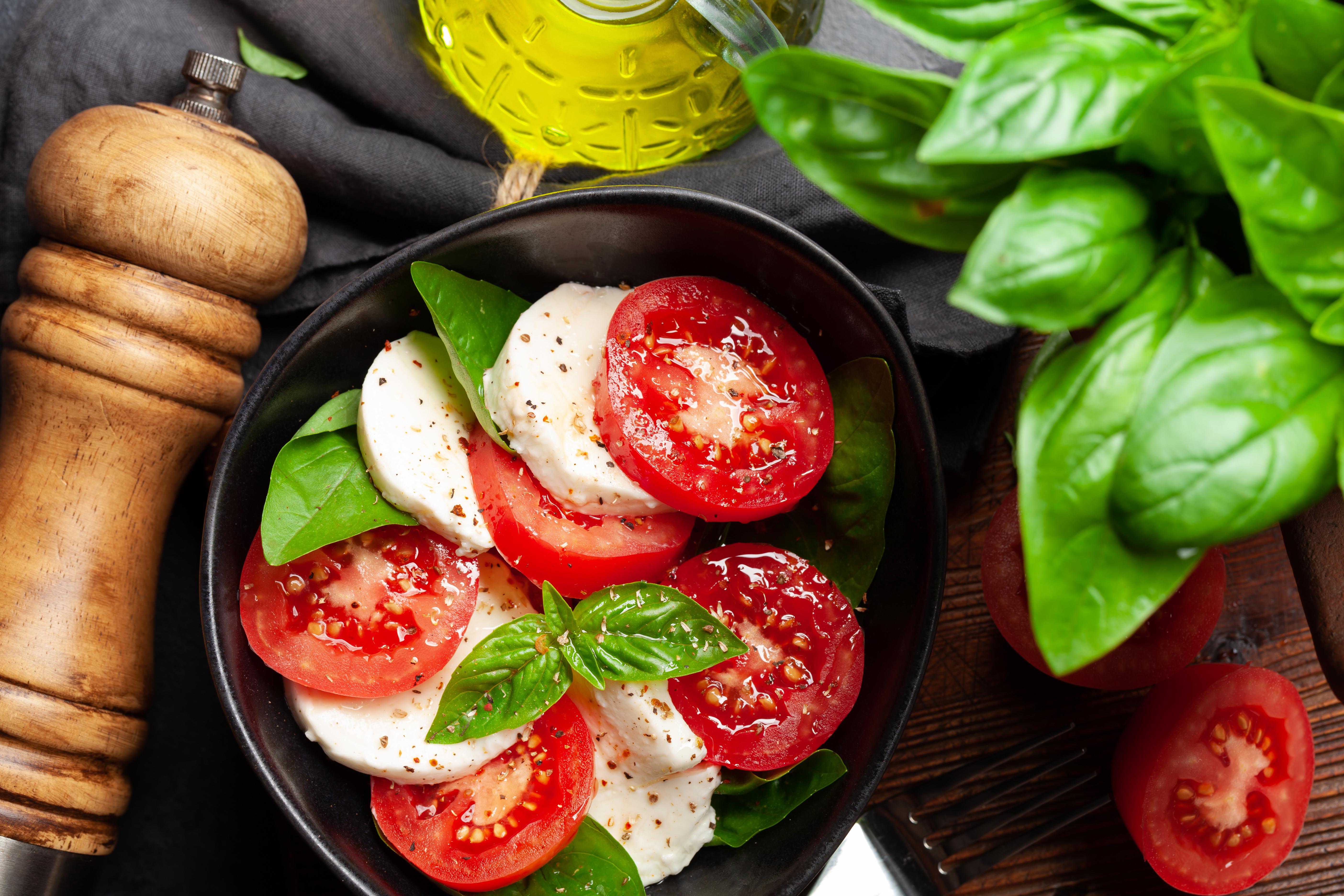
In culinary arts, basil essential oil is commonly used to add a burst of flavour to sauces, dressings, and marinades. It pairs well with tomatoes, garlic, and other Mediterranean flavours, making it a popular ingredient in Italian and Greek cuisine.
Aside from its culinary uses, basil essential oil has also been used for centuries in traditional medicine. It is believed to have anti-inflammatory, antimicrobial, and antioxidant properties and has been used to treat a range of conditions, including respiratory problems, digestive issues, and skin conditions.
Overall, basil essential oil is a versatile and potent ingredient that can add a unique flavour and aroma to gourmet dishes. However, it should be used cautiously and properly diluted to avoid adverse reactions.
Basil essential oil is a potent and flavourful oil that can be used in many gourmet dishes. However, caution must be taken when using this oil due to its intensity. Here are some ways to incorporate basil essential oil into your recipes and make the most of its flavour.
Basil essential oil can be used in a variety of recipes, from pasta sauces to salad dressings. However, it is important to remember that a little goes a long way. Start with a small amount of oil and add more gradually to avoid overpowering the dish.
One way to use basil essential oil is to mix it with olive oil and balsamic vinegar to make a delicious salad dressing. Simply mix a few drops of basil essential oil with olive oil and balsamic vinegar and drizzle over your favourite salad.
Another way to use basil essential oil is to add it to pasta sauces. Add a few drops of basil essential oil to your tomato sauce for a delicious and flavourful pasta dish.
Basil essential oil is very potent and has a strong flavour. It is important to use it sparingly to avoid overpowering your dish. When cooking with basil essential oil, start with a small amount and add more gradually until you achieve the desired flavour.
It is also important to note that basil essential oil should not be used as a substitute for fresh basil. While basil essential oil can add flavour to your dishes, it does not have the same texture or aroma as fresh basil.
In summary, basil essential oil can be a great addition to your gourmet dishes, but it should be used with caution due to its potency. Gradually incorporate it into your recipes and use it sparingly to achieve the desired flavour.
When using basil essential oil in culinary arts, it is important to take safety measures and adhere to FDA regulations. While basil essential oil is generally considered safe for consumption, it is important to note that it is highly concentrated and potent.
According to the FDA, essential oils can be used in food as long as they are Generally Recognized As Safe (GRAS). Basil essential oil is on the list of essential oils that are considered GRAS, but it is important to use it in moderation and follow the recommended dosage.
It is also important to note that not all essential oils are created equal. The quality and purity of essential oils can vary greatly, and it is important to purchase from a reputable source. Look for essential oils that are 100% pure and have not been adulterated with synthetic ingredients.
When using basil essential oil in culinary arts, it is recommended to dilute it before use. This can be done by mixing a small amount of essential oil with a carrier oil, such as olive oil or coconut oil. This will help reduce the essential oil’s potency and make it safer for consumption.
In conclusion, while basil essential oil can add intense flavour to gourmet dishes, it is important to take safety measures and follow FDA regulations. Use it in moderation, purchase from a reputable source, and dilute before use to reduce its potency.
Basil essential oil is derived from the leaves of the Ocimum basilicum plant. It is a highly concentrated oil that has a wide range of health benefits. This section will explore some of the benefits of using basil essential oil in culinary arts.
Basil essential oil has carminative properties that help relieve digestive issues such as constipation and flatulence. It can also stimulate the production of digestive enzymes, which can aid in the breakdown of food. Adding a few drops of basil essential oil to a dish can help improve digestion and prevent bloating.
Basil essential oil has a refreshing and uplifting aroma that can help alleviate stress and mental fatigue. It is also known to affect melancholy positively and can help improve mood. Using basil essential oil in aromatherapy can help improve mental well-being and promote relaxation.
Basil essential oil has antibacterial and antifungal properties, making it an effective natural remedy for infections. It can help fight bacteria and fungi that cause skin infections and other health issues. Using basil essential oil in culinary arts can help boost the immune system and prevent infections.
Basil essential oil has anti-inflammatory properties, making it an effective natural remedy for treating inflammation and skin issues such as acne. It can help soothe irritated skin and reduce redness. Adding a few drops of basil essential oil to a skincare product can help improve skin health.
Basil essential oil has insect-repellent properties that make it an effective natural remedy for repelling insects. It can help keep bugs such as mosquitoes and flies away. Using basil essential oil in culinary arts can help prevent insect bites and keep the kitchen bug-free.
In conclusion, basil essential oil has many health benefits, making it a valuable addition to culinary arts. However, due to its potency, it should be used with caution. Adding a few drops of basil essential oil to a dish can help improve digestion, boost the immune system, promote relaxation, and prevent insect bites.
Basil essential oil is a potent ingredient that can add intense flavour and aroma to gourmet dishes. While it has several benefits, including its ability to aid digestion and promote oral health, it is important to exercise caution when using it in culinary arts due to its potency.
When using basil essential oil in cooking, it is recommended to start with a small amount and gradually increase the quantity as needed. It is also advisable to use high-quality, food-grade essential oil to ensure safety and purity.
Overall, basil essential oil can be valuable to any chef’s culinary toolkit. Its unique flavour and aroma can enhance the taste of various dishes, from salads and pasta to desserts and cocktails. With careful consideration and experimentation, chefs can unlock the full potential of basil essential oil in their gourmet creations.

Born and raised in the serene landscape of Swansea, Wales, Carina Rounder grew up with a keen interest in the healing arts. The idyllic backdrop of her hometown, with its verdant hills and crystal-clear waters, deeply influenced her passion for natural remedies and holistic health.
Carina boasts an impressive educational background. She holds a Level 3 Diploma in Complementary Therapies, specializing in aromatherapy. This intensive qualification has allowed her to delve deep into the intricacies of essential oils, learning their aromatic properties and their therapeutic effects on the human body and mind.
With over a decade of experience in the field, Carina has become one of the most sought-after aromatherapists in Wales. She runs a successful practice in Swansea, offering a range of treatments from traditional aromatherapy massages to bespoke essential oil blends designed to address individual client needs.
A prolific writer, Carina has penned several authoritative books and articles on the subject of aromatherapy. These works are widely regarded as essential reads for both newcomers to the discipline and seasoned practitioners. With a gift for making complex topics accessible, she has garnered a substantial following among those looking to harness the power of essential oils in their daily lives.
Carina firmly believes in the holistic approach to wellness. To her, aromatherapy is not just about pleasant fragrances; it’s about nurturing the soul, invigorating the senses, and harmonizing the body’s natural rhythms. She often emphasizes the importance of sourcing ethically produced and pure essential oils, asserting that the purity of the oil is pivotal to its effectiveness.

